

Published: May 19, 2026 at 7:26 am
Updated on May 19, 2026 at 7:26 am




Are we on the cusp of a seismic shift in stock trading? The SEC’s innovation exemption could redefine our understanding of asset ownership, catapulting us into the world of blockchain-powered tokenized securities. As excitement pulses through the investment community, we stand at a crossroads. This moment offers unparalleled opportunities for greater market accessibility, yet it is fraught with complexities that could challenge the very fabric of trust that bolsters our financial system. Let’s explore the significant ramifications of this initiative, the preparedness of key financial entities, and the cautious considerations swirling within the minds of investors.
At its essence, the SEC’s recent innovation exemption marks a transformative regulatory leap, paving the way for blockchain-based tokenized securities to be traded across decentralized platforms. This departure from traditional trading barriers, which have long confined tokenized transactions to regulated exchanges, could be a game-changing evolution. With this fresh approach, third parties gain the ability to launch digital tokens representing conventional stocks, all without seeking direct consent from the underlying companies. Although this opens a treasure trove of possibilities for digital equity trading, it also introduces complexities that demand careful navigation.
Imagine a financial landscape where ownership is no longer limited to whole shares but can now be fractioned into easily tradable tokens. This is the promise of tokenized securities, a groundbreaking step aligned with the principles of blockchain technology. These digital assets maintain their integrity under federal regulations, adhering to the compliance requirements set forth for traditional stocks. Proponents herald the rise of fractional ownership, expedited settlements, and the enticing allure of around-the-clock trading. Yet, powerhouse institutions like the Depository Trust and Clearing Corporation (DTCC) and Nasdaq brace themselves for the disruptive potential ahead, all while grappling with concerns regarding market fragmentation and the safeguarding of investors.
The influence of blockchain technology on the financial realm transcends mere tokenization; it heralds the potential for peer-to-peer transactions devoid of intermediaries. The anticipated result? A drastic reduction in settlement times, transforming a T+1 paradigm into near-instant transaction confirmations. This newfound immediacy could captivate a generation of traders, particularly those who have grown accustomed to the quick pace of cryptocurrency exchanges. However, with significant benefits come substantial risks, including vulnerabilities to cybersecurity threats and regulatory ambiguities that loom like a dark cloud over this vibrant new terrain.
While possibilities abound, a significant obstacle shadows the SEC’s innovation exemption: the looming threat of market fragmentation. Should the tokenization process be executed by third parties without the explicit approval of the issuing companies, we may witness a chaotic landscape rife with inconsistent pricing and valuation disparities among digital tokens. Critics warn of a potential quagmire for retail investors, complicating the distinction between authentic equity shares and synthetic tokens designed merely to echo price movements. This fragmentation could undermine trust—an irreplaceable cornerstone of investor confidence and market transparency.
Within this evolving scenario, financial institutions, including Nasdaq and DTCC, are preparing to adapt. Nasdaq, for instance, is innovating by developing a platform for issuing blockchain-based shares that honor traditional ownership rights. This vital step aims to nurture the fragile trust of investors. Simultaneously, the Senate’s endorsement of the CLARITY Act could pave the way for clearer regulations, shaping the landscape for market access while prioritizing the protection of stakeholders in this brave new world.
The SEC’s innovation exemption embodies a whirlwind of exhilarating possibilities and looming risks. As tokenization promises to enrich market access and boost efficiency, it simultaneously provokes serious discussions around trust, transparency, and investor security. As the boundaries between traditional finance and cryptocurrency continue to blur, investors must remain not only engaged but also vigilant. The road ahead for tokenized securities will hinge on how adeptly regulators and market participants negotiate this precarious balance, striving to embrace innovation while safeguarding the sanctity of our financial ecosystems.
The future of finance is upon us—will you seize this moment to engage with the unfolding reality of stock trading? In a world where trading platforms are evolving, one might ask: what’s the best day trading platform to navigate these changes effectively?
Egor Romanov is an experienced crypto analyst, professional trader, and author of trading strategies and the Cryptorobotics blog, where he shares his knowledge about cryptocurrencies and financial markets.
Alina Tukaeva is a leading expert in the field of cryptocurrencies and FinTech, with extensive experience in business development and project management. Alina is created a training course for beginners in cryptocurrency.
Related Topics







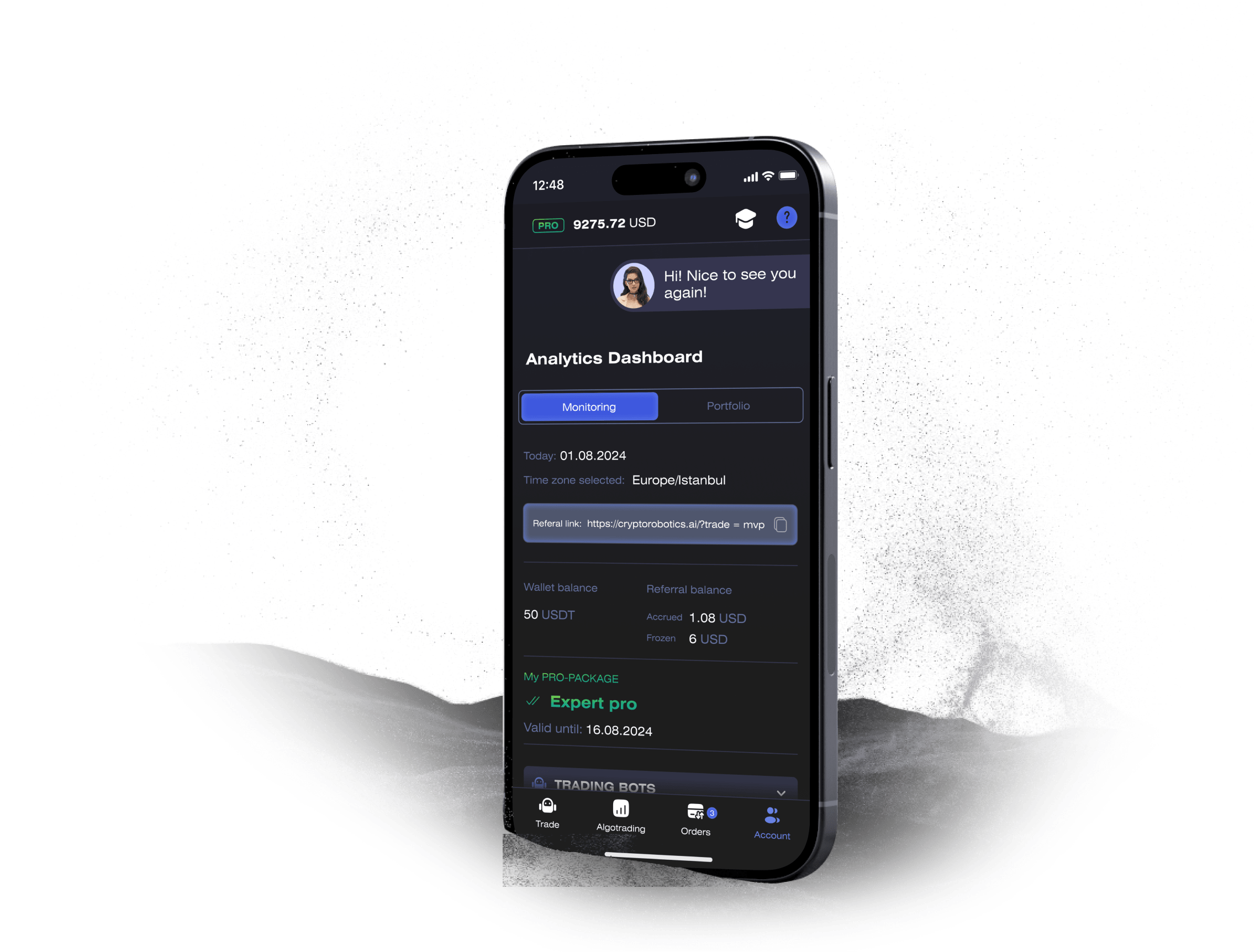
Access the full functionality of CryptoRobotics by downloading the trading app. This app allows you to manage and adjust your best directly from your smartphone or tablet.

News
See more