

Published: April 27, 2026 at 6:00 am
Updated on April 27, 2026 at 7:06 am

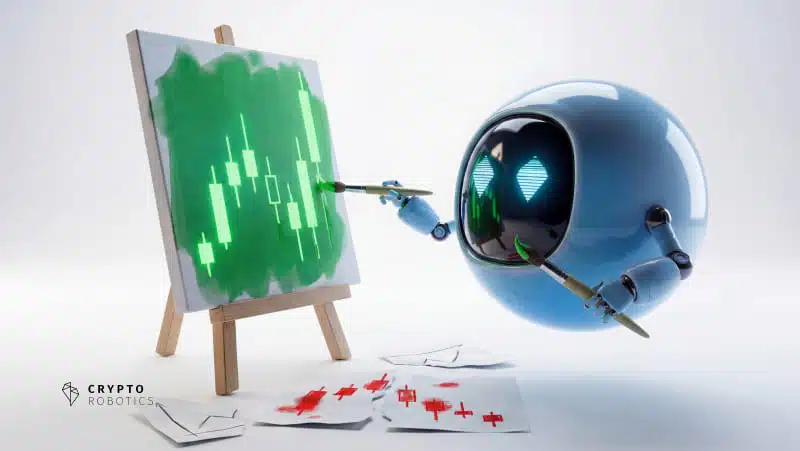


Volatility changes the way people think.
When prices are moving sharply, even experienced investors begin to question assumptions they felt certain about only days earlier. A portfolio that looked rational during calm conditions can suddenly feel dangerous. A long-term plan can start to look naive. And the temptation to react — to sell, rotate, hedge, or “wait until things calm down” — becomes much stronger than the original strategy.
That is why building a long-term investment mindset in volatile markets matters so much.
A long-term mindset is not passive optimism. It is not blind conviction, and it is not the refusal to adapt. It is the ability to separate short-term market noise from long-term thesis, to interpret volatility without becoming controlled by it, and to make decisions according to process rather than emotional pressure.
This matters especially in crypto and other high-beta markets, where rapid drawdowns, sudden rallies, and sentiment shifts can make even solid long-term positions feel unstable. That is why crypto trading psychology remains relevant not only for active traders, but also for investors trying to stay rational through market cycles.
Most investors claim they are long term until the market becomes uncomfortable.
That is the real test. A long-term mindset sounds easy during steady growth. It becomes difficult when the market falls 20%, 30%, or 50%, when headlines become negative, and when people around you begin acting as if something fundamental has broken.
Volatility distorts judgment in several ways.
First, it compresses time. A short-term drop starts feeling like a permanent change in direction. Second, it increases emotional intensity. Losses feel urgent, even when the original thesis was built for years rather than weeks. Third, it narrows attention. Instead of thinking about broader cycles, investors begin staring at daily candles, short-term narratives, and immediate downside risk.
This is why long-term investors still need to understand psychological factors influencing crypto trading. Emotional decision-making is not limited to leveraged traders. It affects anyone whose confidence changes faster than their framework.
A long-term mindset is often misunderstood as simply “holding through everything.” That is too simplistic.
A real long-term mindset includes several elements:
In other words, long-term investing is not about ignoring the market. It is about knowing which market signals matter and which do not.
If your thesis is based on adoption, network growth, product-market fit, structural demand, or multi-year market cycles, then daily fluctuations should not have the same authority over your decisions as they would in short-term trading. The problem is that volatility often tricks investors into treating short-term movement as if it were fundamental evidence.
That is one reason market sentiment tools such as the Bitcoin Fear and Greed Index are useful. They help show when the market mood is becoming extreme, which makes it easier to see whether your reaction is based on real deterioration or crowd emotion.
There is an important difference between patience and denial.
Patience means staying committed to a strong thesis through normal volatility. Passive hope means refusing to reevaluate even when the investment case has clearly weakened.
A long-term mindset requires patience, but it also requires standards. You should be able to explain:
Without those answers, “long term” often becomes a disguise for emotional attachment.
This is especially important in crypto, where many assets can rise quickly on narrative strength alone. If the only reason for holding is that the price once went higher, that is not long-term investing. That is anchoring.
Volatile markets create constant informational pressure.
Every day brings new reasons to feel either confident or threatened: macro headlines, regulatory rumors, exchange-related news, social media narratives, on-chain flows, funding changes, liquidation events, and sector rotations. Some of these matters. Much of it only matters to traders with short time horizons.
Long-term investors get into trouble when they absorb too much short-term noise without filtering it through their actual investment horizon.
That is how people end up:
This is one reason structured tools matter. Even though they are often discussed from a trading perspective, resources on stop-loss and take-profit discipline and manual trading with intelligent orders still reinforce a broader principle: decisions are better when they are made from predefined rules instead of emotional improvisation.
One of the biggest mindset shifts for long-term investors is learning to see volatility correctly.
In many cases, volatility is not evidence that the long-term opportunity is broken. It is part of the price of exposure to a high-growth, high-uncertainty asset class. That does not mean every drop is meaningless. It means volatility should be expected in advance, not treated as a shocking exception every time it appears.
This matters because the emotional response to volatility often determines the outcome more than the volatility itself.
An investor who expects large drawdowns is more likely to stay rational during them. An investor who expects a smooth path upward will often react badly to normal corrections because the experience violates their mental model.
That is why long-term investing in volatile markets begins with expectation management. If your portfolio contains assets capable of doubling quickly, it probably also contains assets capable of falling just as hard.
Conviction is essential, but it has to be earned.
Strong conviction does not mean saying “I believe” louder. It means understanding the asset deeply enough that volatility does not automatically shake your framework. That usually comes from:
This is where many investors struggle. They want conviction, but they build it on recent price action instead of underlying drivers. As a result, their confidence rises with the market and collapses with it.
Real conviction is slower. It comes from clarity, not excitement.
A long-term investor and a short-term trader can look at the same chart and reach different conclusions without either of them being irrational.
The problem begins when the investor starts thinking like a trader during downside volatility, but still behaves like an investor when it comes to refusing to sell. That creates inconsistency. They react emotionally to short-term price action without actually having a short-term system.
A clear time horizon solves part of this problem.
If your horizon is three to five years, then daily price movement should not carry the same decision weight as structural adoption, macro liquidity shifts, regulatory direction, product growth, or market-cycle positioning. It may still affect entries and sizing, but it should not constantly redefine the thesis.
Without a defined horizon, every move feels actionable. And that usually leads to bad timing.
A long-term mindset cannot survive if the position size is emotionally unmanageable.
This is one of the most overlooked points in investing. People often think discipline is mainly about mindset, but risk sizing is just as important. If an allocation is so large that normal volatility creates constant stress, then the portfolio structure itself is undermining long-term behavior.
That is why many emotional decisions are actually sizing mistakes in disguise.
Investors panic less when their exposure matches their true tolerance. They think more clearly when they can survive drawdowns without feeling forced into immediate action. In volatile markets, correct sizing is not just risk management. It is psychological protection.
Corrections are where the mindset gets tested.
In a correction, the most useful questions are not:
The better questions are:
That distinction matters. A correction may be painful without being thesis-breaking. It may also reveal genuine weakness. The point is not to ignore the market. The point is to evaluate it through the correct lens.
This is where broader material on crypto trading and cognitive mistakes becomes useful even for investors. Bias, recency effects, and herd behavior become stronger when volatility increases.
Long-term investing does not require perfect timing. It requires consistent decision quality.
Many investors damage their results not because they were wrong about the asset, but because they kept changing their framework. They bought with a multi-year thesis, then sold on a three-week drawdown, then re-entered after a rebound, then sold again when macro sentiment worsened.
This kind of inconsistency is expensive because it turns volatility into a sequence of emotional decisions.
A stronger mindset is built around repeatable principles:
This is not glamorous, but it is effective. Wealth in volatile markets is often built by people who remain coherent while others keep reacting.
A long-term mindset is easier to sustain when the process is clear.
If you cannot write down why you own an asset, you will not know whether volatility is testing your patience or exposing weak reasoning.
You can follow the market without turning every update into a decision. Observation and action should not be the same thing.
Instead of reevaluating after every move, use structured checkpoints. That reduces emotionally driven portfolio changes.
Too much exposure to short-term commentary makes long-term conviction harder to maintain. The market becomes louder than your own framework.
If you only tolerate drawdowns after they happen, your mindset is always late. The right time to define acceptable volatility is before the market tests you.
The greatest advantage of long-term thinking often appears when the market becomes emotionally extreme.
In euphoric conditions, it stops you from confusing momentum with inevitability. In fearful conditions, it stops you from treating drawdowns as proof that the whole thesis was wrong. In both cases, it creates distance between your plan and the crowd.
That is why investors with a strong long-term framework often look calm precisely when others become most reactive. They are not ignoring the market. They are reading it through a wider lens.
Building a long-term investment mindset in volatile markets is not about becoming emotionless. It is about becoming structured enough that emotion no longer dictates every decision.
Volatility will always test conviction, compress time horizons, and tempt investors into reacting to short-term noise. The solution is not blind holding, and it is not constant adjustment. The solution is a framework: clear thesis, realistic sizing, defined time horizon, and the discipline to separate temporary market stress from real thesis failure.
In volatile markets, patience only works when it is supported by preparation. And over the long run, that combination — patience plus structure — is often what separates durable investors from people who keep changing direction every time the market becomes uncomfortable.
What is a long-term investment mindset?
It is an approach based on multi-year thinking, disciplined risk management, and decisions driven by thesis rather than short-term market emotion.
Why is long-term investing hard in volatile markets?
Because sharp price swings create fear, urgency, and doubt, which make investors question plans that seemed rational during calmer conditions.
Does long-term investing mean holding no matter what?
No. It means staying committed to a strong thesis through normal volatility, while still being willing to reevaluate if the underlying case changes.
How can investors stay calm during market volatility?
They can define their thesis clearly, size positions realistically, reduce short-term noise, and focus on whether the long-term case has changed rather than reacting to every price move.
Why is risk tolerance so important for long-term investing?
Because even a good asset becomes hard to hold if the position size is so large that normal volatility creates constant emotional pressure.
Can volatility actually help long-term investors?
Yes. Volatility can create better entry opportunities, reveal market extremes, and reward investors who stay disciplined while others react emotionally.
Alina Garaeva: a crypto trader, blog author, and head of support at Cryptorobotics. Expert in trading and training.
Alina Tukaeva is a leading expert in the field of cryptocurrencies and FinTech, with extensive experience in business development and project management. Alina is created a training course for beginners in cryptocurrency.
Related Topics





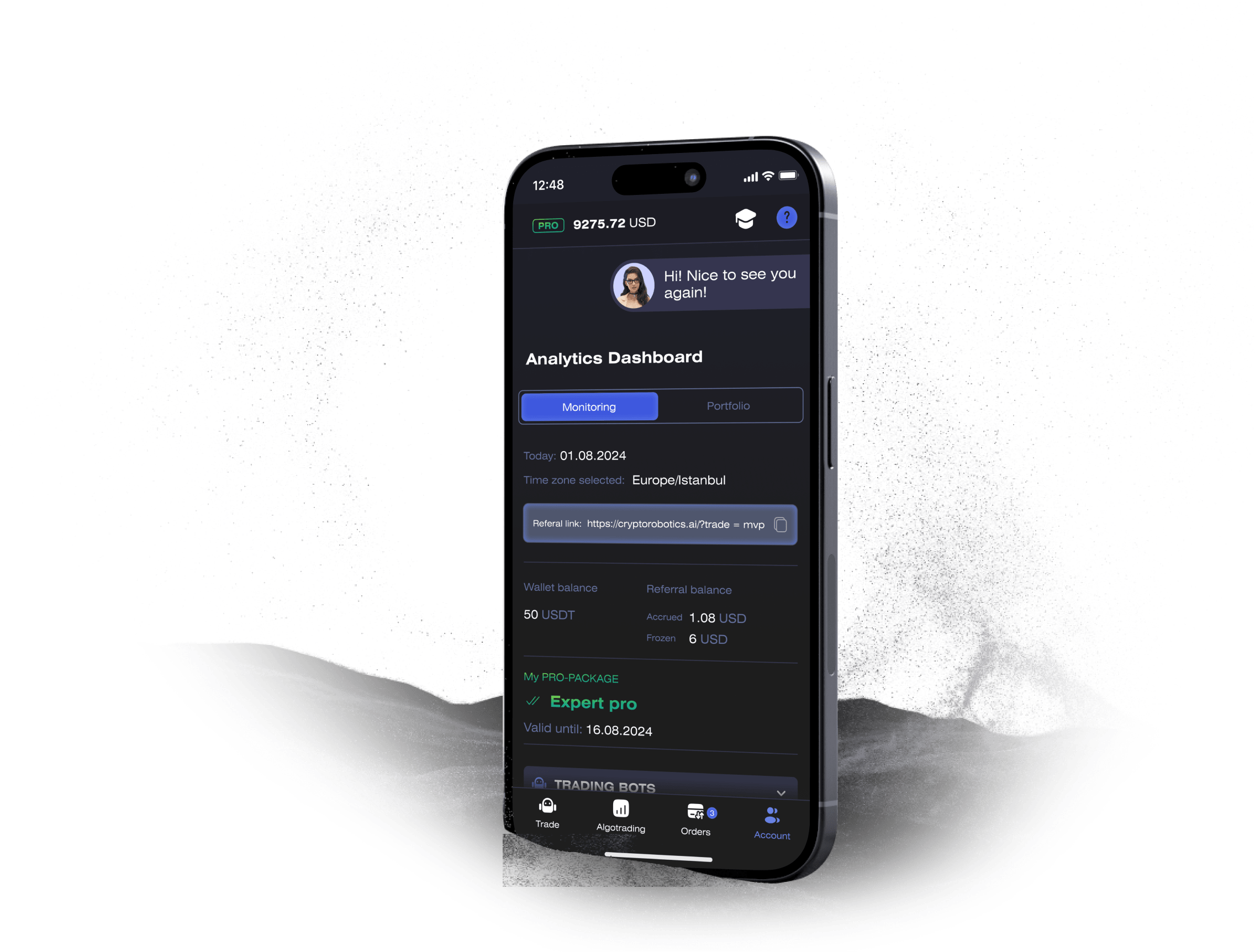
Access the full functionality of CryptoRobotics by downloading the trading app. This app allows you to manage and adjust your best directly from your smartphone or tablet.

News
See more