

Published: May 15, 2026 at 6:23 pm
Updated on May 15, 2026 at 6:23 pm

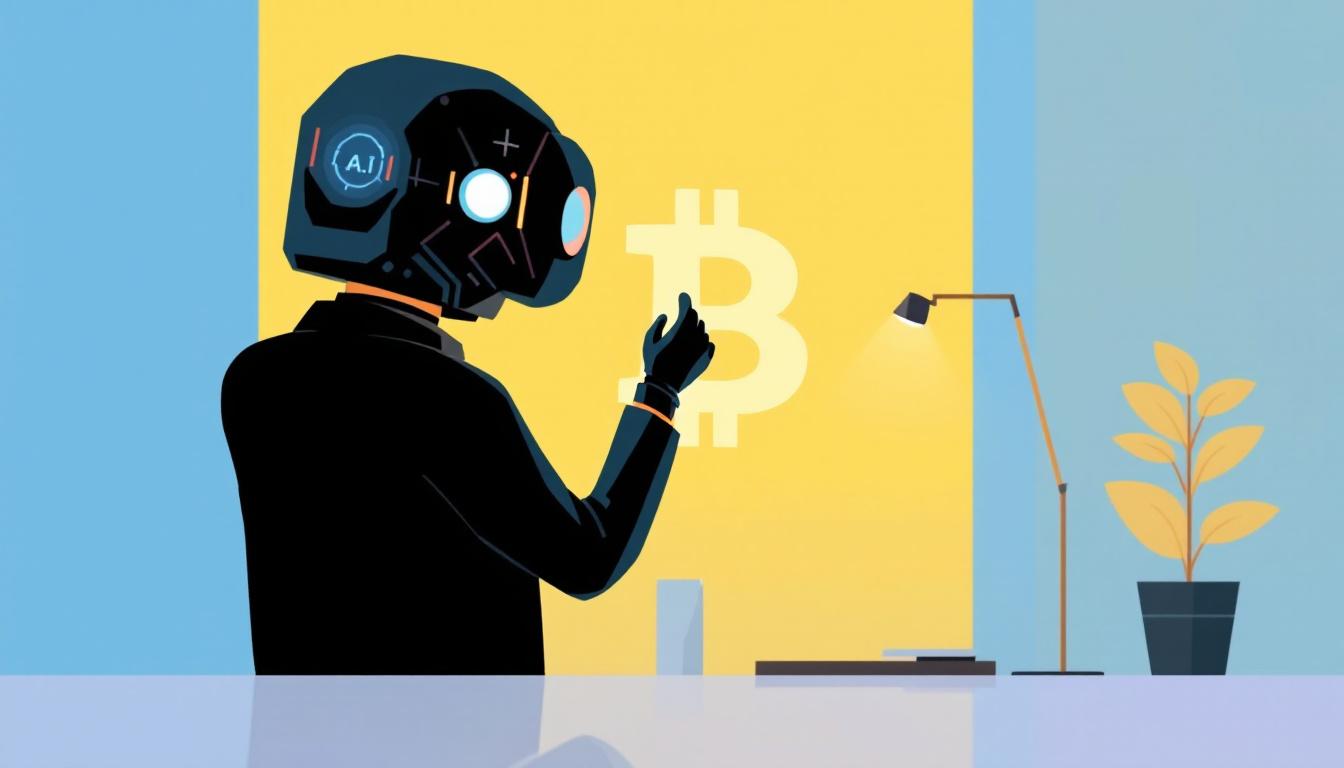


Autonomous finance stands on the precipice of a seismic shift, ignited by the convergence of artificial intelligence (AI) and blockchain technology. Amidst this transformation, decentralized memory systems emerge as critical players. But do they promise to enhance AI’s coherence, or do they risk contributing to an already tangled web of complexities?
In this piece, we delve into the synergistic collaboration between B.AI and Unibase, revealing how their pioneering advancements are setting the stage for a dynamic renaissance in decentralized finance (DeFi). This partnership offers a compelling perspective on how decentralized memory and AI intertwine, potentially altering our understanding of financial systems.
Decentralized memory systems are ingeniously engineered to fortify AI agents, granting them the capacity to retain and share essential operational knowledge across various platforms. Unibase serves as a beacon of this progressive vision, tackling a fundamental challenge in the realm of AI—facilitating long-term memory and seamless communication among disparate AI entities.
What is particularly intriguing about decentralized memory is its ability to foster interoperability among varied AI agents. This interdependence significantly enhances coordination frameworks, paving the way for more cohesive operation across a multitude of decentralized applications.
B.AI is strategically positioned at the forefront of developing the infrastructure essential for autonomous financial systems. Its alliance with Unibase seeks to forge secure environments where AI agents can collaborate on tasks and execute trades independently, including through automated trading bots crypto. This level of autonomy is fundamental as the financial landscape increasingly integrates AI within its operational DNA.
By setting the foundation for an AI-native DeFi infrastructure, B.AI enables these agents to conduct sophisticated transactions effortlessly. As they cultivate a decentralized atmosphere, B.AI remains steadfast in its commitment to user-centric solutions that prioritize security and transparency—successfully addressing mounting concerns regarding the role of autonomous AI agents in a rapidly evolving financial arena.
The dialogues surrounding decentralized memory systems invite a critical examination: Does this innovation genuinely enhance the efficacy of autonomous operations, or does it introduce complications that disrupt established mechanisms? Critics contend that, while interoperability is essential, it may also inadvertently breed vulnerabilities, complicating the quest for trustworthy autonomy.
For users facing tangible settlement risks, the emphasis must pivot toward robust governance frameworks capable of effectively managing these autonomous interactions. The true potential of decentralized memory to enable fruitful collaborations among AI agents ultimately depends on sound permissioning and meticulous audit trails.
The alliance forged between B.AI and Unibase signifies a movement beyond mere innovation; it encapsulates a larger ambition within the blockchain sphere to seamlessly integrate AI with decentralized technologies. The pressing need for user security and efficient transaction management heralds the advent of collaborative AI networks—redefining the paradigm through which we assess financial operations.
Focusing on user-friendly interfaces and transparent transactions, the emergence of agent-native payment systems could lessen our dependence on centralized intermediaries. This progression leads us toward an empowered financial future where AI agents operate fluidly across diverse ecosystems, nurturing a vibrant and resilient economic landscape.
As we venture into this uncharted territory, prudence is essential in evaluating the implications of decentralized memory systems. The allure of refined coordination through AI agents must be carefully balanced against underlying concerns of trust, transparency, and systemic risk. As the proliferation of these agents accelerates, so does the pressing need for clear governance structures—underscoring the necessity for comprehensive regulatory frameworks.
In this context, it becomes evident that, while the excitement surrounding autonomous agents and decentralized memory is tangible, a deliberate equilibrium prioritizing security, governance, and well-defined boundaries for potential failures is critical for sustainable growth.
The partnership between B.AI and Unibase represents a significant leap forward in reimagining autonomous finance through the complementary integration of AI and blockchain technologies. As the network of self-learning agents continues to evolve, a foundational emphasis on secure frameworks, transparent transactions, and user-oriented approaches will sculpt the future landscape of DeFi.
In the midst of this transformative journey, stakeholders must remain alert to the multitude of risks and opportunities presented by the collaboration between decentralized memory and AI. Their path toward a flourishing and trustworthy autonomous economy may be intricate, yet through strategic alliances and innovative solutions, the future of finance is primed for a profound and exhilarating transformation. The burgeoning interest in Unibase, exemplified by over $48 million in trading volume following its listing, signals a promising horizon where decentralized memory and interoperability lay the groundwork for an emergent economy infused with agency. The future of finance is not just approaching; it is becoming intelligent, decentralized, and profoundly autonomous.
Egor Romanov is an experienced crypto analyst, professional trader, and author of trading strategies and the Cryptorobotics blog, where he shares his knowledge about cryptocurrencies and financial markets.
Alina Tukaeva is a leading expert in the field of cryptocurrencies and FinTech, with extensive experience in business development and project management. Alina is created a training course for beginners in cryptocurrency.
Related Topics



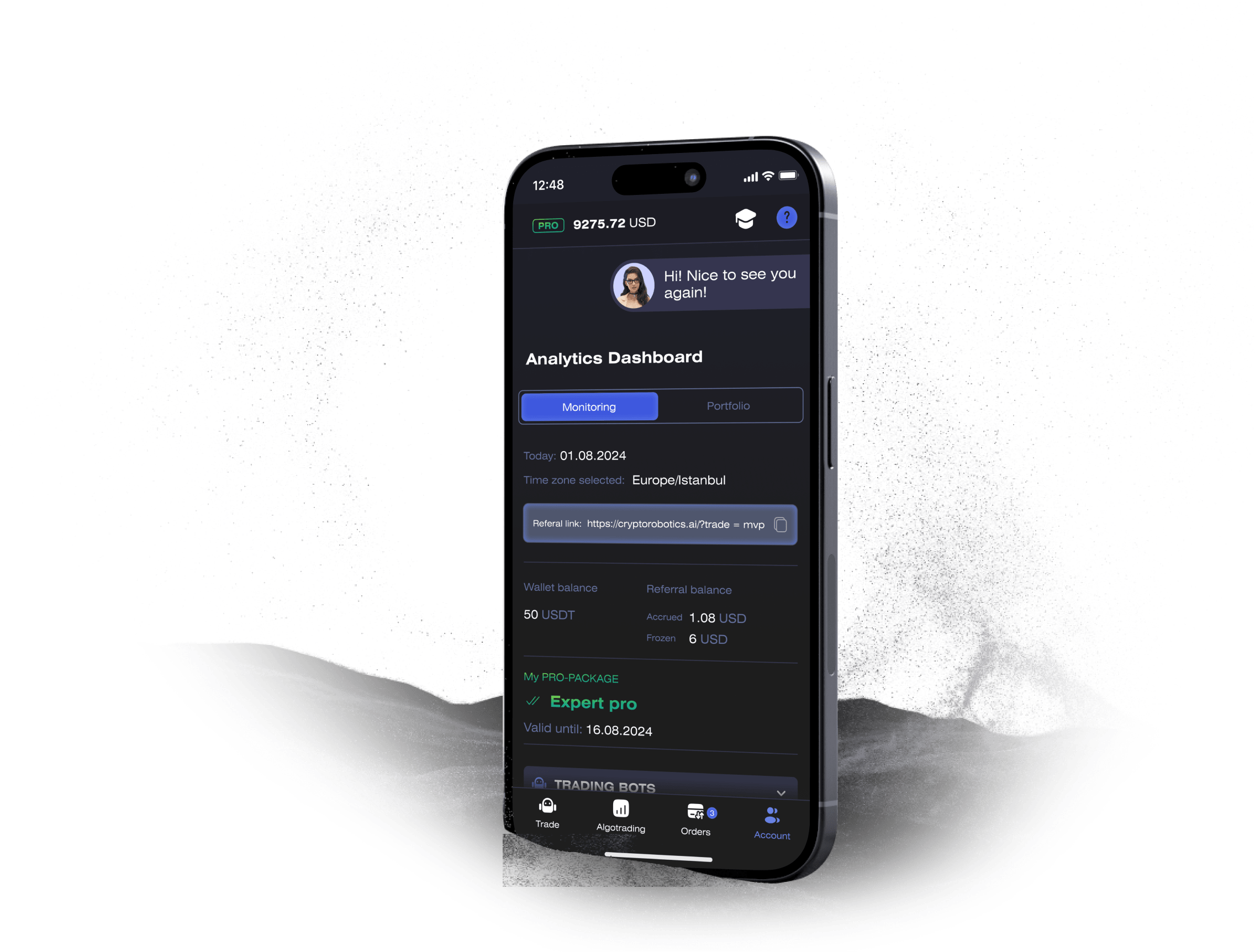
Access the full functionality of CryptoRobotics by downloading the trading app. This app allows you to manage and adjust your best directly from your smartphone or tablet.

News
See more