

Published: April 23, 2026 at 7:51 pm
Updated on April 23, 2026 at 7:59 pm




Digital identity has become a foundational layer of the modern internet. Every interaction—from logging into platforms to verifying financial transactions—relies on identity systems. However, traditional identity models are centralized, fragmented, and vulnerable to breaches.
This is where decentralized identity (DID) emerges as a transformative solution. Built on blockchain and cryptographic principles, DID shifts control of identity from centralized authorities to individuals. Instead of relying on intermediaries, users can own, manage, and share their identity data securely.
As Web3 infrastructure evolves, decentralized identity systems are becoming a critical component for privacy, security, and interoperability. This article explores what DID is, how it works, and why it matters for the future of digital ecosystems.
Decentralized identity (DID) refers to a self-sovereign identity model where individuals control their own digital credentials without relying on centralized entities such as governments, corporations, or platforms.
Unlike traditional systems, where identity data is stored on centralized servers, DID uses distributed networks. This significantly reduces the risk of data breaches and unauthorized access.
At its core, DID is built on three main components:
DIDs are unique identifiers stored on a blockchain or distributed ledger. They replace traditional usernames or IDs.
These identifiers are globally unique and cryptographically verifiable.
Verifiable credentials are digital attestations issued by trusted entities.
Examples:
These credentials are:
Users store their credentials in digital wallets, which act as secure containers for identity data.
This model ensures that users control when and how their data is shared.
Traditional identity systems require users to hand over personal data to centralized platforms. This creates massive data silos vulnerable to hacks.
With self-sovereign identity, users:
This drastically improves privacy.
Centralized databases are prime targets for cyberattacks. DID eliminates single points of failure.
This makes blockchain identity solutions inherently more secure.
One of the biggest issues today is fragmented identity systems.
With DID:
This is especially important in Web3 ecosystems.
Users no longer need to:
DID simplifies identity management while enhancing security.
DID enables passwordless authentication using cryptographic keys.
In decentralized finance (DeFi), identity plays a crucial role.
DID can link identity to digital assets, enabling:
Decentralized Autonomous Organizations (DAOs) rely on identity systems for:
DID helps ensure fair participation.
Countries are exploring blockchain-based identity systems to:
DID allows patients to control their medical records and share them securely with providers.
Academic credentials can be issued as verifiable credentials, reducing fraud and simplifying verification.
Companies can use DID for:
Widespread adoption requires:
With full control comes responsibility.
Users must:
Loss of access can be critical.
Governments are still adapting to decentralized identity models, which may slow adoption.
DID is expected to become a core layer of Web3 infrastructure.
As digital interactions grow, the need for secure and user-controlled identity systems will only increase.
Decentralized identity (DID) represents a fundamental shift in how digital identity is managed. By giving users control over their data, improving security, and enabling seamless interoperability, DID addresses many of the limitations of traditional identity systems.
As Web3 continues to evolve, decentralized identity will play a critical role in shaping a more secure, private, and user-centric internet.
What is decentralized identity (DID)?
Decentralized identity is a system where users control their digital identity without relying on centralized authorities.
How does DID improve privacy?
It allows users to share only necessary data, reducing exposure and eliminating centralized data storage risks.
What are verifiable credentials?
They are digitally signed credentials that prove identity or attributes without revealing unnecessary information.
Is decentralized identity secure?
Yes, it uses cryptographic methods and eliminates centralized databases, reducing vulnerability to hacks.
Where is DID used today?
It is used in Web3, DeFi, healthcare, education, and digital identity systems.
What is self-sovereign identity?
It is a concept where individuals fully control their identity data without intermediaries.
Alina Garaeva: a crypto trader, blog author, and head of support at Cryptorobotics. Expert in trading and training.
Alina Tukaeva is a leading expert in the field of cryptocurrencies and FinTech, with extensive experience in business development and project management. Alina is created a training course for beginners in cryptocurrency.
Related Topics







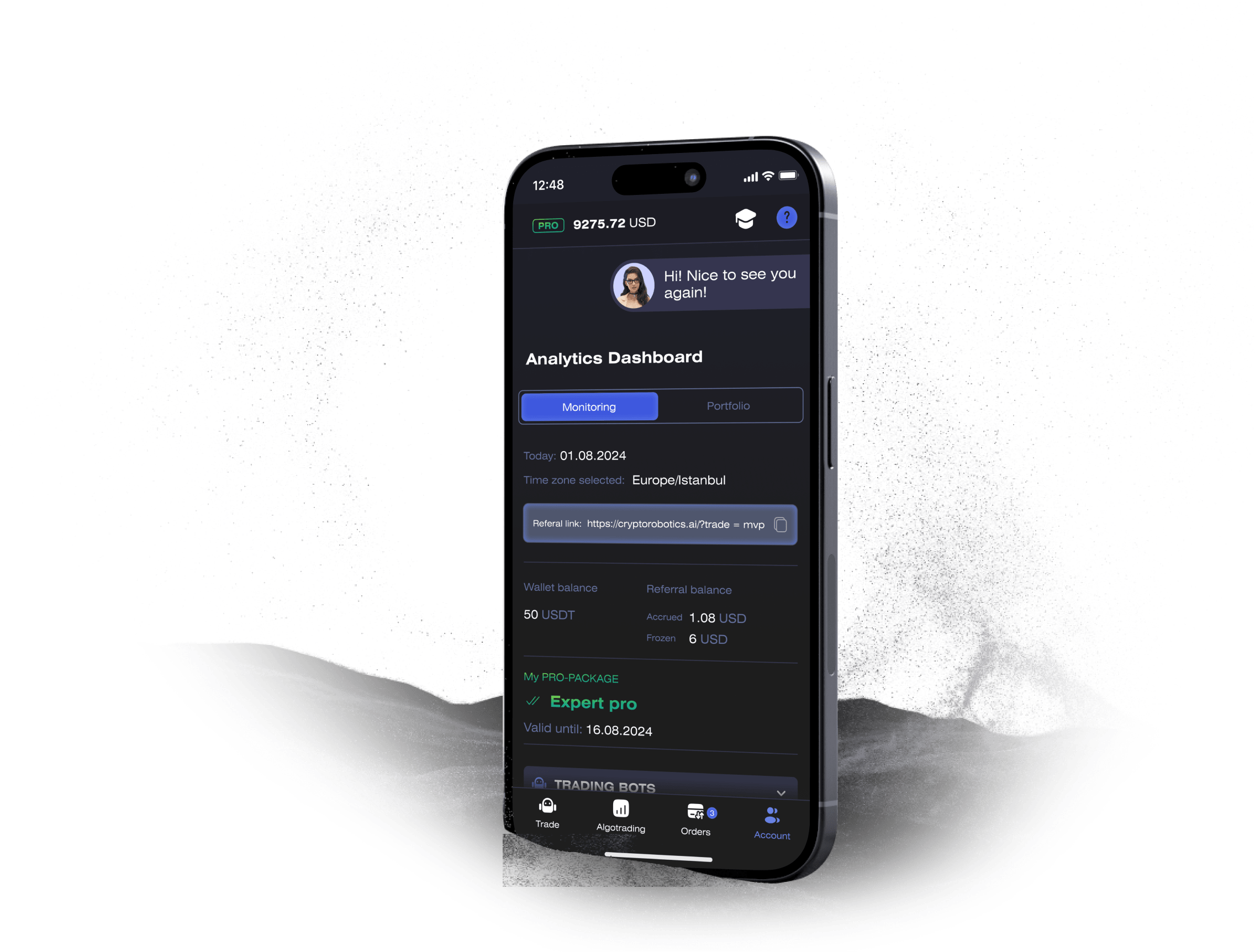
Access the full functionality of CryptoRobotics by downloading the trading app. This app allows you to manage and adjust your best directly from your smartphone or tablet.

News
See more