Published: April 24, 2026 at 2:26 pm
Updated on April 24, 2026 at 2:30 pm

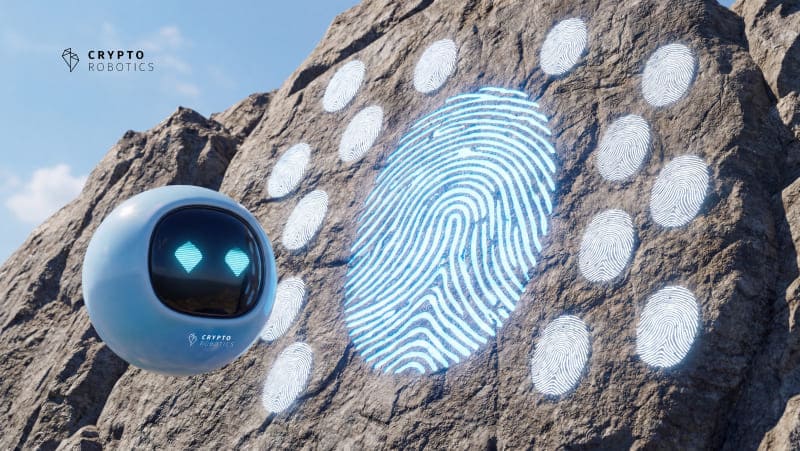


IPFS, short for InterPlanetary File System, is a peer-to-peer protocol and distributed network designed for storing and sharing files in a decentralized way. Unlike traditional web protocols like HTTP that rely on centralized servers and location-based addresses, IPFS uses content addressing — files are identified by what they contain rather than where they are stored.
In simple terms, what is IPFS? It is a global, distributed file system that turns the internet into a single, resilient network of computers (nodes) working together. Any file added to IPFS gets a unique cryptographic fingerprint called a “Content Identifier” (CID). This makes data verifiable, immutable, and accessible from any node that holds a copy.
IPFS was created to build a faster, more open, and censorship-resistant web, addressing many limitations of the current centralized internet infrastructure.
Traditional web storage uses location addressing: a URL points to a specific server. If the server goes down or the file moves, the link breaks.
IPFS flips this model on its head with content addressing. When you add a file:
If the content changes even slightly, the CID changes. This guarantees data integrity and immutability. Anyone with the CID can retrieve the same file from any node in the network.
Here’s how decentralized storage operates on IPFS:
This peer-to-peer model, inspired by BitTorrent, creates high redundancy without relying on any single company or server.
Together, these create a robust, upgradeable system for the decentralized web.
IPFS is a foundational technology for Web3:
Popular pinning services like Pinata, NFT. Storage and Filebase make it easy for developers and users to ensure persistence. Many combine IPFS with Filecoin for incentivized, long-term storage deals.
Decentralized storage via IPFS offers clear advantages:
Compared to HTTP, IPFS creates a more open, participatory web where anyone can contribute storage and bandwidth.
Despite its strengths, IPFS faces practical hurdles:
In 2026, gateways, improved pinning services, and hybrid solutions will help mitigate many of these issues.
Tools have matured significantly, making IPFS accessible even without deep technical knowledge.
What does IPFS stand for, and what is it?
IPFS stands for InterPlanetary File System. It is a decentralized, peer-to-peer protocol for storing and sharing files using content addressing instead of location-based URLs.
How does content addressing work in IPFS?
Files are hashed into unique CIDs (Content Identifiers). The CID represents the exact content, so any change creates a new identifier, ensuring immutability and verifiability.
What is the difference between IPFS and Filecoin?
IPFS is the protocol for addressing and transferring data. Filecoin is a blockchain layer that adds incentives (storage deals) to ensure long-term persistence on the IPFS network.
Is data on IPFS permanent?
Not automatically. It stays available as long as nodes pin or cache it. Pinning services and Filecoin provide mechanisms for reliable, long-term storage.
How is IPFS used with NFTs and blockchains?
NFT smart contracts store a CID pointing to metadata and assets on IPFS. This keeps expensive on-chain storage minimal while linking to rich, decentralized media.
Can anyone access files on IPFS?
Yes, if they have the CID. For privacy, files are often encrypted client-side, with decryption keys managed separately (e.g., via wallets or smart contracts).
What are the main challenges of using IPFS?
Key challenges include ensuring persistence (pinning), potential latency for rare content, and the learning curve for non-technical users.
By 2026, IPFS continues to evolve with better tooling, account abstraction integrations, and hybrid models combining it with other decentralized storage solutions. It remains a cornerstone for building a more resilient, user-owned internet — powering everything from NFTs and DAOs to AI datasets and censorship-resistant publishing.
IPFS represents a fundamental shift in how we store and access information online. By replacing centralized servers with a global peer-to-peer network and content addressing, it enables truly decentralized storage that is more secure, efficient, and resistant to single points of failure.
Understanding how IPFS works — from CIDs and Merkle DAGs to pinning and gateways — is essential for anyone building or participating in Web3. Whether you’re storing NFT metadata, hosting a decentralized website, or exploring the broader decentralized web, IPFS provides the open infrastructure needed for a more equitable internet.
The journey toward a fully interplanetary file system is ongoing, and getting involved today means contributing to the future of data ownership and distribution.
Alina Garaeva: a crypto trader, blog author, and head of support at Cryptorobotics. Expert in trading and training.
Alina Tukaeva is a leading expert in the field of cryptocurrencies and FinTech, with extensive experience in business development and project management. Alina is created a training course for beginners in cryptocurrency.
Related Topics







Access the full functionality of CryptoRobotics by downloading the trading app. This app allows you to manage and adjust your best directly from your smartphone or tablet.


News
See more