

Published: May 02, 2025 at 10:41 pm
Updated on May 02, 2025 at 10:41 pm




In a striking turn of events, the recent sentencing of Avraham Eisenberg has reverberated through the decentralized finance (DeFi) sector, forcing a confrontation with the ugly truths about cryptocurrency fraud and the pressing necessity for impenetrable security in DeFi systems. This case marks a pivotal moment worth exploring, shedding light on how it alters investor confidence, affects the Solana DeFi framework, and reshapes the digital financial world at large.
When the dust settles, what story do we tell? Avraham Eisenberg’s role in the monumental $110 million breach of Mango Markets—a decentralized exchange within the Solana network—has led to a substantial prison sentence. This judgment serves as a harsh reminder of the financial maladies that have plagued the DeFi landscape. Here lies a cautionary tale; it signals a formidable precedent for those tempted to engage in market manipulation.
Eisenberg’s actions have unmasked how a single incident can decimate assets and ruin the reputation of an entire blockchain ecosystem. The implications for Mango Markets, a once-respected component of Solana’s DeFi structure—celebrated for its swift transactions and appealing low fees—are profound. Trust, often considered the linchpin of investor engagement, has shown itself to be both fragile and vital, revealing the precarious equilibrium that keeps these platforms afloat.
Eisenberg’s exploitation of Mango Markets has forcefully spotlighted the glaring inadequacies inherent in DeFi structures: an over-reliance on real-time pricing, the criticality of liquidity, and the inherent risks of substantial leverage. This serves as a sobering wake-up call, demanding an unrelenting commitment to reinforcing security protocols to safeguard against both internal and external threats.
With Eisenberg’s sentencing, closure appears to dawn over the Mango Markets debacle, yet it raises unsettling questions about regulatory oversight in the DeFi domain. What this case illuminates is the evolving landscape of financial crime in DeFi—a new arena where decentralized exchange misconduct meets conventional legal repercussions, challenging us all to reconsider the frameworks we thought secure.
As we venture forward, the DeFi sector must address the glaring regulatory dilemmas and investor apprehensions underscored by the Mango Markets debacle. A balance between innovation and security stands as an imperative now more than ever. It beckons a unified response from developers, regulators, and the community at large attuned to fostering a safer, more resilient DeFi environment.
The Eisenberg affair underscores the critical role of community governance in the fight against financial misconduct. The Mango Markets community became an essential actor in the wake of the breach, signaling that collective strength can be a powerful tool. Coupled with the urgency for advanced technological interventions—such as AI-driven monitoring systems—this could redefine how we proactively thwart further exploitation.
The verdict handed down to Avraham Eisenberg in the aftermath of the $110 million Mango Markets exploit resonates as a defining moment in the evolution of decentralized finance. This case compels the DeFi community to treat security and regulatory compliance with the seriousness they warrant in an era of rapid technological evolution. The lessons gleaned from this episode promise to influence the direction of DeFi, propelling a future steeped in vigilance and an unwavering commitment to protecting investors in a largely uncharted territory.
Egor Romanov is an experienced crypto analyst, professional trader, and author of trading strategies and the Cryptorobotics blog, where he shares his knowledge about cryptocurrencies and financial markets.
Alina Tukaeva is a leading expert in the field of cryptocurrencies and FinTech, with extensive experience in business development and project management. Alina is created a training course for beginners in cryptocurrency.
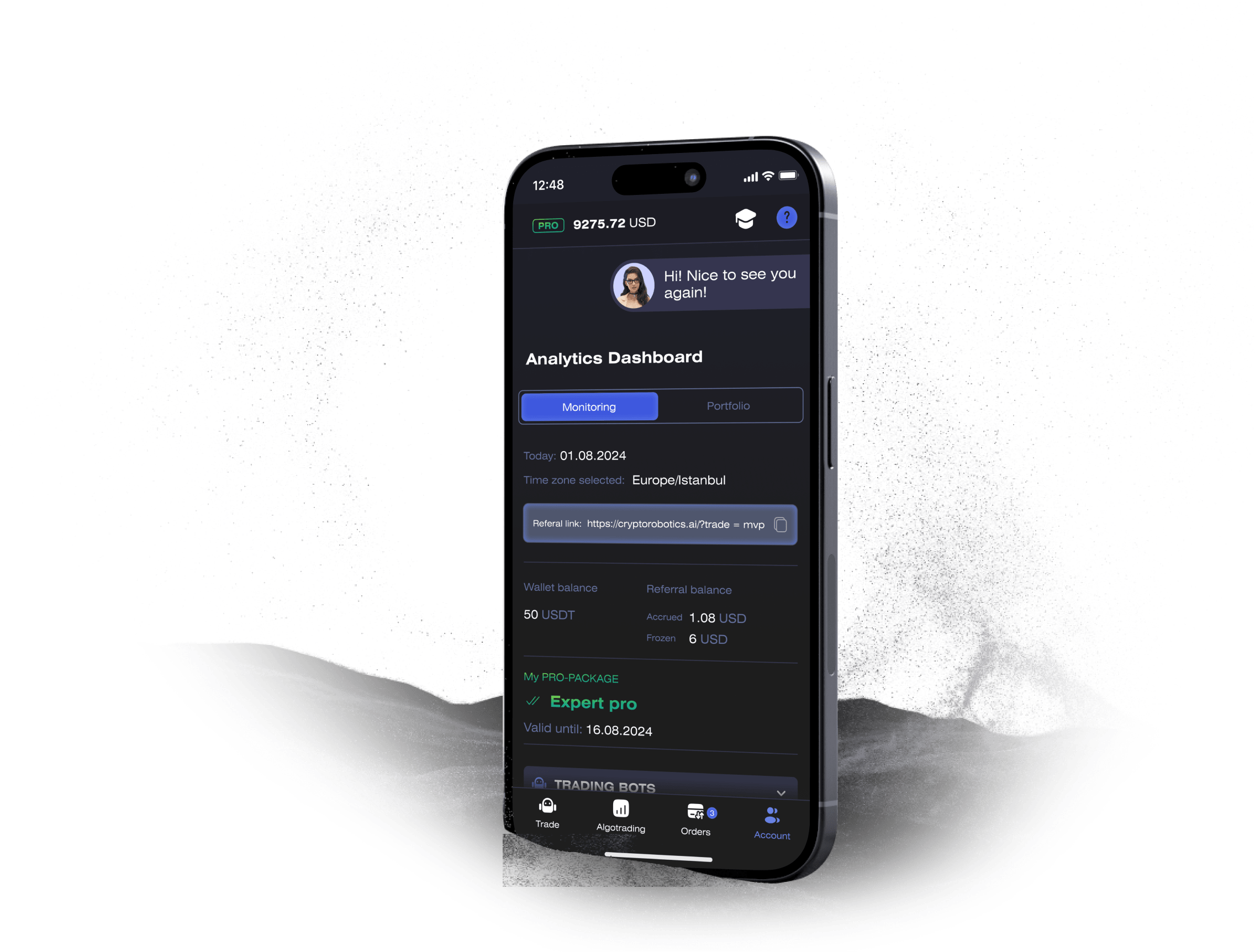
Access the full functionality of CryptoRobotics by downloading the trading app. This app allows you to manage and adjust your best directly from your smartphone or tablet.

News
See more