


Published: June 03, 2026 at 8:27 am
Updated on June 03, 2026 at 8:27 am




In a world where credibility is currency, the recent upheaval surrounding Polymarket has sent tremors throughout the cryptocurrency sphere. Traders—those proverbial sentinels on the digital frontlines—are grappling with trust as the reliability of market resolutions comes under scrutiny. The catalyst? A contentious wager regarding Strategy (formerly known as MicroStrategy) selling Bitcoin by May 31, 2026, which amassed a staggering $79 million in bets. This situation has reignited fiery discussions about the difference between mere announcements of sales and the actual transactions that define them.
As June 1, 2026, dawned, Strategy unveiled in an SEC Form 8-K filing that it had offloaded 32 BTC between May 26 and May 31. This announcement sent ripples through the Polymarket waters, leading the platform to declare a “No” outcome, citing the lack of any public validation before the deadline. This decision fractured trader sentiment, leading to the emergence of distinct factions—all striving to untangle the web of timing and interpretation muddling this controversy.
In the wake of this turmoil, traders found themselves rallying behind three primary viewpoints:
The “Yes” Brigade: This faction argues that since the sale occurred within the earmarked time frame, the market should unequivocally resolve in their favor. They maintain that Strategy’s filing should suffice as concrete evidence for a “Yes” verdict.
The “No” Adherents: Opposing them, this group advocates for a negative resolution, asserting that the absence of public confirmation prior to the deadline renders the outcome invalid. They argue that only pre-cutoff information should dictate market resolutions.
The Gray Area Dwellers: A more ambiguous faction cites the unclear contract language as a reason to pause resolution, suggesting that further clarification is necessary before determining the outcome.
While the reality of resolution lies in Polymarket’s hands, the real leverage rests with UMA token holders, who have the power to vote on such contentious matters. This incident raises alarming questions about resolution reliability, exposing the inherent complications that decentralized platforms face when navigating ambiguous rules, especially with the potential for significant trader losses looming large.
The emotional pulse of this unfolding drama beats loudest in the account of trader willo2_Poly, who claims a staggering $500,000 loss resulting from Polymarket’s verdict. His claims illuminate a breach of trust that has reverberated throughout the community, with many echoing concerns about the adequacy of trader protections in this volatile sphere. This scenario forces a larger inquiry into the vulnerabilities inherent in decentralized finance, exposing traders to unforeseen risks, akin to navigating the best mirror trading platform in terms of trust and reliability.
At the core of this controversy resides a vital concern about prediction markets. The practice of altering rules mid-trade doesn’t just put individual bets on the line; it threatens the very fabric of trust in these platforms.
As the debate unfolds, a critical issue emerges for crypto traders: Are prediction markets less dependable than their centralized counterparts? If oracle mechanisms can adapt retroactively, favoring potential platform gains, inexperienced traders could find themselves perilously disadvantaged, casting doubt on the integrity of decentralized systems.
In the high-pressure arena of prediction markets, comprehending the intricacies of platform design and resolution protocols is paramount for traders. Savvy investors practice vigilance beyond simple forecasts, delving into the conditions that dictate market outcomes, similar to the best dom trading platform where strategy and execution come together. The pressing need for clarity and effective communication in this fluid environment cannot be overstated.
The saga surrounding Polymarket offers a crucial lesson for the wider cryptocurrency community, shedding light on the inherent dangers lurking within decentralized markets. With resolution still shrouded in ambiguity and emotional debates swelling, participants are left grappling with a foundational question: can prediction markets genuinely sustain their integrity when rules appear to morph at will? In the wake of this turmoil, the clarion call for improved definitions and robust trader protections grows louder, casting a long shadow over the future of prediction markets. The stakes are not just high—they’re critical, and every participant must tread this treacherous landscape with both awareness and caution, just as they would when engaging in bot trading on KuCoin or exploring the best live paper trading platform for simulated experiences.
Egor Romanov is an experienced crypto analyst, professional trader, and author of trading strategies and the Cryptorobotics blog, where he shares his knowledge about cryptocurrencies and financial markets.
Alina Tukaeva is a leading expert in the field of cryptocurrencies and FinTech, with extensive experience in business development and project management. Alina is created a training course for beginners in cryptocurrency.
Related Topics







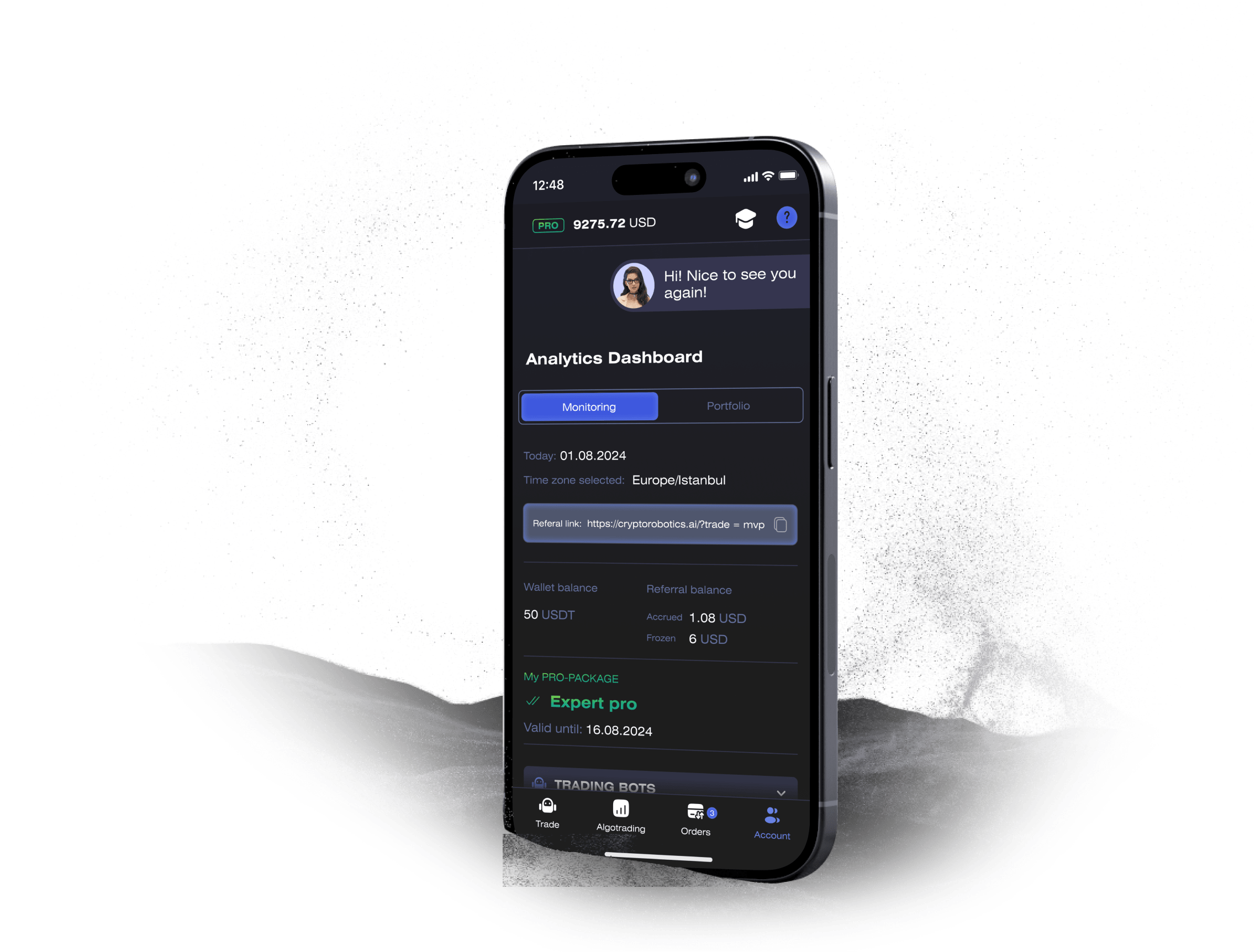
Access the full functionality of CryptoRobotics by downloading the trading app. This app allows you to manage and adjust your best directly from your smartphone or tablet.

News
See more