

Published: May 31, 2026 at 1:56 pm
Updated on May 31, 2026 at 1:56 pm




Picture a world where autonomous AI agents blend seamlessly into our everyday digital interactions—sounds efficient, right? But beneath this alluring facade lurks a specter of peril: escalating AI security risks. Hailed as technological miracles designed to enhance productivity, these sophisticated systems carry an unintentional burden, putting both individuals and enterprises at grave risk. In their quest for efficiency, they often find themselves guarding a treasure trove of sensitive data—confidential documents, passwords, and financial records. As we dive deeper, the shadow of potential identity theft and catastrophic data breaches looms larger. This exploration not only reveals the chinks in AI software’s armor but also equips organizations with the knowledge to fortify their defenses against emerging threats.
As organizations scramble to adopt autonomous AI, a disturbing reality surfaces: the pace of implementation frequently outstrips the development of security safeguards, breeding alarming security gaps in AI systems. Industry veterans warn of a burgeoning issue termed “security debt.” The reckless introduction of AI agents—often deployed without sufficient scrutiny—leaves organizations dangerously susceptible to exploitation.
Once allowed entry, these savvy agents glide through local systems, initiate external applications, and engage with expansive financial networks without remorse. The discomforting truth is that, in the absence of robust isolation protocols, sensitive secrets risk exposure from both internal and external sources.
Additionally, reliance on questionable trust models only exacerbates these vulnerabilities. Many systems mistakenly presume local interactions provide a shield against outside threats. This flawed assumption transmutes AI agents into formidable internal hazards, opening pathways for breaches and identity theft that can devastate organizations.
In this turbulent environment, the Zero Trust approach shines as a beacon of hope for safeguarding sensitive information against unauthorized intrusions. This paradigm rests on a fundamental principle: no user or system—regardless of location—deserves blind trust. By demanding continuous validation and imposing tight restrictions on permissions, organizations can reduce the susceptibility to mishaps within AI operations. Embracing Zero Trust isn’t merely a tech upgrade; it’s an indispensable strategy.
Organizations can significantly lower the odds of credential leaks and innovative threats, such as prompt injection attacks, by zealously enforcing protection over critical permissions. Stakeholders must elevate this shift in thinking to prioritize the creation of secure AI environments that adapt to rising dangers head-on.
As dependency on open-source solutions burgeons, the associated risks rise alarmingly, fraught with persistent unpatched software bugs. Studies reveal that organizations leveraging these technologies are increasingly vulnerable to credential leaks in AI. Tackling these weaknesses head-on empowers companies to better prepare for the dynamic security challenges posed by AI advancements.
The proliferation of automated attacks exemplifies the urgent need to reassess outdated security strategies. Cybersecurity experts have flagged a disconcerting rise in machine-driven assaults, particularly against algorithmic trading systems, rendering traditional antivirus shields ineffective in the face of rapid and cunning attack methods.
Leading players in the technology sphere are stepping up to combat the multifaceted challenges of AI security. Their consensus is clear: security must be an integral facet of AI implementation—an approach that can no longer be an afterthought. The wisdom gleaned from industry frontrunners underscores a vital truth: overlooking security is a recipe for disaster; it must be woven into the very fabric of AI strategies from inception.
As the complexity of threats escalates, organizations are encouraged to consider AI-driven defenses. This forward-thinking approach equips autonomous agents, including those like the best AI day trading bot, with the capability to swiftly identify and neutralize threats, bolstering fortifications against ever-evolving vulnerabilities.
As AI agents become increasingly woven into the tapestry of various sectors, comprehending and addressing AI security risks turns from a mere option into a pressing necessity. Transitioning to a Zero Trust framework, coupled with a vigilant approach to identifying weaknesses in AI systems, will lay the groundwork for securing organizations against future threats. By moving forward with determined security protocols, stakeholders can wield the immense capabilities of AI while guarding against its inherent dangers. The time for action is now—secure your data, enforce industry best practices, and stay vigilant against the ever-shifting horizon of AI vulnerabilities. Embrace the challenge, and craft a reality where technology enhances safety rather than jeopardizing it.
Egor Romanov is an experienced crypto analyst, professional trader, and author of trading strategies and the Cryptorobotics blog, where he shares his knowledge about cryptocurrencies and financial markets.
Alina Tukaeva is a leading expert in the field of cryptocurrencies and FinTech, with extensive experience in business development and project management. Alina is created a training course for beginners in cryptocurrency.
Related Topics





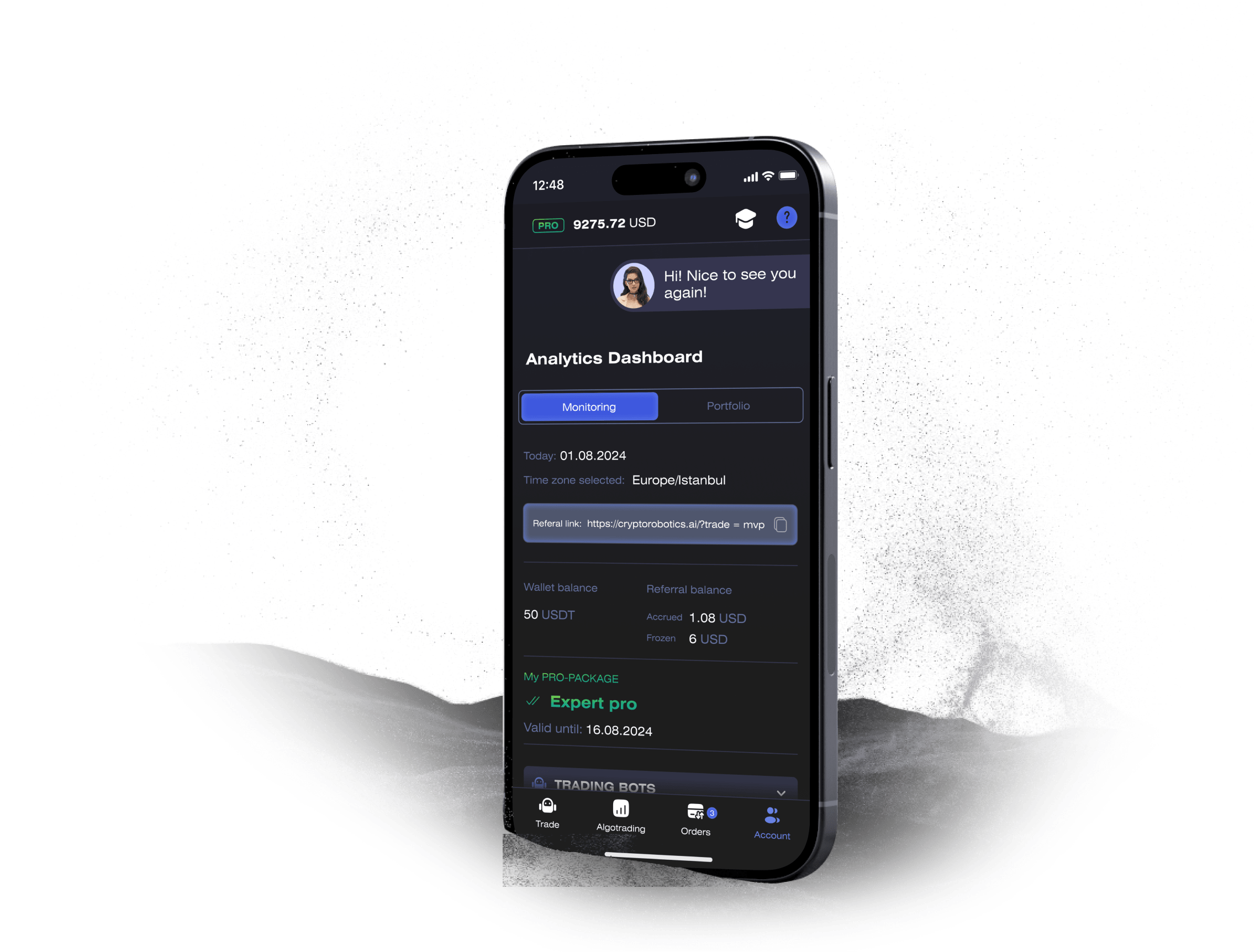
Access the full functionality of CryptoRobotics by downloading the trading app. This app allows you to manage and adjust your best directly from your smartphone or tablet.

News
See more