


Published: May 28, 2026 at 11:33 am
Updated on May 28, 2026 at 11:33 am




In an age where artificial intelligence begins to permeate our everyday existence, it’s clear that the technology sector is on the brink of monumental changes—especially within the cryptocurrency space. Vitalik Buterin, one of the luminaries behind Ethereum, has sparked intrigue with his assertion that advancements in AI, particularly through the DeepSeek V4 model, have the potential to revolutionize Ethereum’s privacy framework and the functionality of decentralized applications (dApps). This transformation invites a deeper examination of how a transition to local AI could unlock new privacy paradigms, address hardware performance disparities, and enhance the security of smart contracts.
Enter the world of DeepSeek V4, now accessible in a sleek 2-bit quantized version that empowers users to leverage powerful AI capabilities right from their own machines. Buterin emphasizes that shedding dependence on centralized servers is nothing short of radical. This evolution heralds a new era of accessibility, broadening the spectrum of users who can engage with advanced AI tools. However, it prompts a crucial question: are we genuinely achieving democratized access to AI, or are we inadvertently sculpting a system rife with new forms of technological inequality? For example, while Apple devices can produce a staggering 35 tokens per second, AMD systems fall significantly short at just 7 tokens per second. This disparity raises alarms about equity in the AI landscape.
Zero-knowledge proofs stand as a bedrock of Ethereum’s privacy architecture, and Buterin argues that integrating a robust local AI infrastructure could supercharge these capabilities. This would enable secure interactions throughout the Ethereum ecosystem while offering safe avenues to access AI models. The marriage of AI and zero-knowledge technology is a goldmine of potential, paving the path for privacy solutions that enhance the blockchain experience. Imagine a future where confidentiality comes without compromising on efficiency—a bold leap toward privacy that keeps pace with technological progress.
The infusion of purpose-built AI models signals a new dawn for strengthening the security of Ethereum’s smart contracts. Buterin points to the Leanstral model as a standout example, capable of generating Lean code at astonishing speeds that rival those of significantly larger models. By utilizing AI to automate code verification processes, such as those used in the best AI bots for crypto trading, developers can streamline security audits for decentralized applications effectively. This paints a picture of an exhilarating future where AI not only augments but actively enhances established security protocols, inciting vital discussions about the reliability of such automated frameworks.
The exciting prospects of local AI raise critical considerations regarding hardware accessibility. As Ethereum adopts AI-driven privacy innovations, it bears the risk of deepening divides among users who lack access to high-performance systems. If cutting-edge AI demands expensive equipment, we may inevitably propel advantages toward the affluent, contradicting Ethereum’s foundational philosophy of decentralization. This dialogue surrounding hardware performance resonates with broader societal issues concerning equity and access in blockchain technologies—an essential discourse that cannot be overlooked.
The horizon glimmers with the promise of synergy between AI and blockchain, yet it requires meticulous navigation. Buterin’s call for a structured approach to smart contract audits hints at a future where AI not only reinforces security but also recalibrates industry standards. As stakeholders embrace AI-driven coding and auditing, there’s cautious optimism that these innovations could lead to a reduction in bugs per line of code, thus strengthening platforms like Ethereum at their very core. With the advent of cryptocurrency AI trading bots, the landscape is rapidly evolving, creating exciting opportunities.
In this continuously shifting crypto landscape, the convergence of AI and Ethereum unfolds as both a boon and a potential minefield. The onus now lies upon us to ensure that these technological advancements usher in substantial improvements in privacy and security, all while upholding the vital principles of access and decentralization for every participant.
The intersection of Ethereum and artificial intelligence is set to redefine the very fabric of the blockchain ecosystem. By elevating privacy standards through localized AI frameworks and revolutionizing smart contract security, with innovations like futures AI trading bots, the potential benefits are immense. Still, we must remain acutely aware of the challenges posed by hardware inequality and the intricacies of automated systems. As Ethereum charts its course into this AI-infused future, it is critical for all involved to align innovation with the enduring values of equity and accessibility, ensuring that the unfolding narrative is one of progress that benefits all, not just a select few. The future beckons; let’s endeavor to shape it wisely.
Egor Romanov is an experienced crypto analyst, professional trader, and author of trading strategies and the Cryptorobotics blog, where he shares his knowledge about cryptocurrencies and financial markets.
Alina Tukaeva is a leading expert in the field of cryptocurrencies and FinTech, with extensive experience in business development and project management. Alina is created a training course for beginners in cryptocurrency.
Related Topics





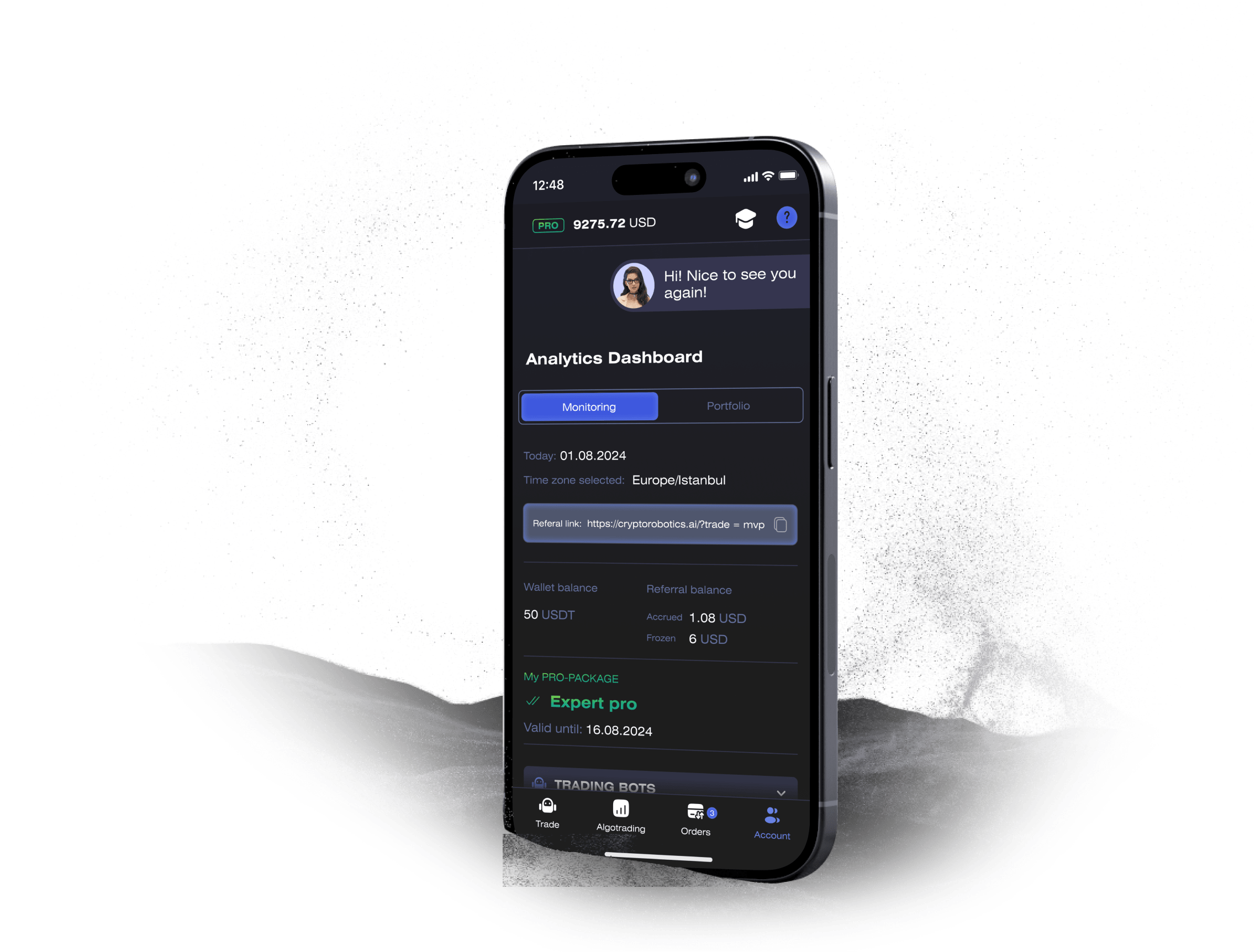
Access the full functionality of CryptoRobotics by downloading the trading app. This app allows you to manage and adjust your best directly from your smartphone or tablet.

News
See more