


Published: April 12, 2025 at 8:00 pm
Updated on June 09, 2025 at 7:04 pm



Vitalik Buterin Charts a Course Through Ethereum’s Security Challenges
In the fast-paced realm of cryptocurrency, where evolution is the only constant, securing digital assets is of utmost importance. The recent introduction of Ethereum’s Improvement Proposal (EIP-7702) has ignited a heated discussion on the tenuous equilibrium between enhancing blockchain capabilities and fending off increasingly sophisticated cyber threats. At the center of this crucial conversation is Ethereum co-founder Vitalik Buterin, whose guidance offers not just insights but also a roadmap laden with both promise and peril.
Ethereum’s EIP-7702 heralds a transformative chapter in the blockchain’s narrative, pioneering a shift toward account abstraction. This significant upgrade allows Externally Owned Accounts (EOAs) to temporarily masquerade as smart contract accounts. In doing so, it paves the way for advanced functionalities like batch transactions and gas sponsorships, while eschewing the need for EOAs to implement permanent changes. Yet, this impressive leap forward is shadowed by a host of potential security weaknesses that heighten vulnerability to threats like phishing and unauthorized transactions. It becomes clear that navigating this brave new world will require a steadfast commitment to security measures.
As apprehensions regarding the security of EIP-7702 grow, Buterin’s voice resonates as a guiding light. He champions a cautious and discerning approach for users diving into this upgrade, advocating for the delegation of transaction approvals solely to thoroughly audited contracts. This isn’t just a passing suggestion; it’s a strategic defense aimed at reinforcing Ethereum users’ digital defenses against a myriad of evolving cyber threats. Buterin’s advice serves as a cornerstone in an increasingly perilous landscape, where a single misstep could lead to devastating outcomes.
With the proliferation of smart contract functionalities on Ethereum, the spectrum of cybersecurity threats broadens correspondingly. The embrace of EIP-7702 introduces a risky frontier where EOAs can seamlessly step into the realm of smart contracts, albeit temporarily. This innovation is captivating, yet it lets loose a cascade of security vulnerabilities that demand a proactive and vigilant approach. By adhering to Buterin’s wisdom, users can draw a stark line between a robust investment strategy and the unpredictability that threatens to undermine their assets.
Beyond EIP-7702 lies the Pectra upgrade, embodying Ethereum’s relentless pursuit of scalability, security, and a user-focused approach. As we stand on the brink of this technological milestone, it’s evident that a more resilient blockchain ecosystem depends on a collective effort from the entire community—characterized by diligent audits and a profound dedication to security. This pivotal moment signifies not just a technical advancement but a holistic evolution toward a stronger Ethereum.
The rollout of EIP-7702 within Ethereum signifies a transformative point in the blockchain’s evolution. Boldly pushing the boundaries of what decentralization can achieve, this innovation comes fraught with its own set of challenges. Backed by the prudence and strategic foresight of Vitalik Buterin, the pathway forward becomes clearer—a reminder that haste in innovation must be tempered with a vigilant focus on security. As we occupy this exciting juncture marked by Ethereum’s advancements, Buterin’s emphasis on relying exclusively on audited contracts serves as a vital principle. In our journey through this dynamic landscape, we must remain grounded in security, safeguarding the very essence of the decentralized revolution we aspire to create.
Egor Romanov is an experienced crypto analyst, professional trader, and author of trading strategies and the Cryptorobotics blog, where he shares his knowledge about cryptocurrencies and financial markets.
Alina Tukaeva is a leading expert in the field of cryptocurrencies and FinTech, with extensive experience in business development and project management. Alina is created a training course for beginners in cryptocurrency.
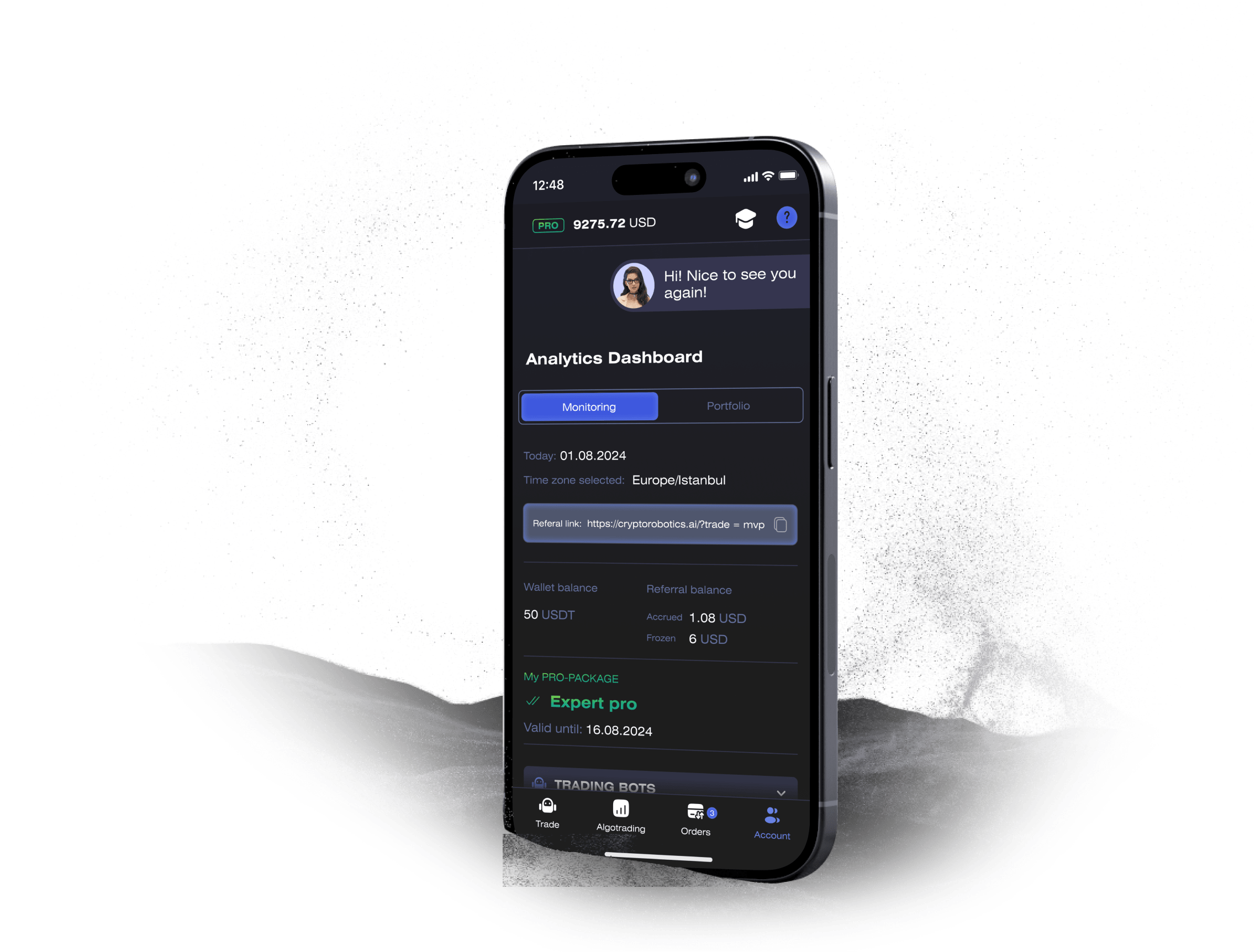
Access the full functionality of CryptoRobotics by downloading the trading app. This app allows you to manage and adjust your best directly from your smartphone or tablet.

News
See more