

Published: May 21, 2026 at 5:31 am
Updated on May 21, 2026 at 5:31 am




Hold onto your digital wallets, because South Korea’s cryptocurrency scene is undergoing a seismic shift. Following a string of scandals that rattled investor faith, the government has decided that enough is enough. As enforcement grows more stringent, one must ponder what this means for the burgeoning trading landscape in a country renowned for its vibrant digital asset marketplace. New regulations targeting cross-border transactions come equipped with lofty ambitions: thwarting illicit activities while striving to uphold financial stability in South Korea.
In an unmistakable signal of intent, South Korea’s financial watchdogs, including the Bank of Korea, are stepping up their oversight of cryptocurrency transactions. Recent dialogues within the Foreign Exchange Soundness Council have illuminated the urgent need for fortified frameworks to effectively monitor cross-border crypto dealings. This initiative not only aims to support South Korea’s aspirations for inclusion in the MSCI Developed Markets Index but also seeks to combat the risk of capital flight that threatens to upend its financial ecosystem.
In an innovative leap forward, South Korea’s National Tax Service is crafting an AI-driven system designed to scrutinize virtual asset transactions. By leveraging advanced machine learning algorithms, this system aims to pinpoint suspicious behavior that could indicate tax evasion or other nefarious activities. The shift towards a proactive rather than reactive regulatory approach marks a significant change in how cryptocurrency trades will be perceived. Anonymity may quickly become an obsolete notion, prompting investors to rethink their strategies in light of the new realities. As traders adapt, many may explore options like copy trading crypto to better navigate the complexities of the market.
The atmosphere of heightened scrutiny is bound to reshape how South Korean crypto traders engage in transactions. For better or worse, compliance will soon take center stage. While intended to provide a veneer of financial stability, these regulatory measures come with their own set of challenges. The introduction of new reporting mandates might tempt many traders, particularly the tech-savvy young crowd, to seek refuge in decentralized exchanges that offer a sense of privacy away from regulators’ prying eyes.
But here lies the paradox: can South Korea’s stringent regulations avoid pushing users towards offshore platforms, inadvertently raising risks and undermining the very stability these laws aim to enforce? Rather than maintaining order, the country could find itself battling a tide of circumvention fueled by an unyielding regulatory environment.
For South Korea’s cryptocurrency sector, the daunting task ahead is striking a balance between robust regulation and the cultivation of innovation. A well-defined regulatory landscape is essential to woo institutional investors and ensure market integrity, yet the sluggish progression of stablecoin legislation coupled with mishaps from exchanges reveals the complexities involved. A misstep in this delicate dance could lead to unforeseen pitfalls, as highlighted by Bithumb’s recent operational miscalculation, laying bare the necessity of a regulatory framework that genuinely protects consumers. Traders may also consider utilizing features such as the trading bot on KuCoin to automate their trading strategies while navigating this landscape.
As South Korea’s regulatory framework evolves, the future of cryptocurrency trading hangs in the balance. Traders can brace themselves for an environment steeped in increased scrutiny toward exchanges and digital asset services. Adaptability will be crucial as they navigate new compliance obligations while simultaneously engaging with ever-shifting market dynamics. Questions around whether the KuCoin trading bot is legit will likely arise as traders seek efficient and trustworthy methods of participating in this landscape.
What’s clear is that this heightened regulation may hamstring trading efficiency, particularly for those reliant on rapid transactions. The adaptations required could significantly shape how traders interface with both domestic and international cryptocurrency markets.
The tightening grip of cryptocurrency regulations in South Korea resonates with a global clarion call for responsible practices within the digital asset arena. As authorities pivot towards rigorous monitoring of cross-border transactions and embrace technological advancements for heightened transparency, traders must acclimate to this rapidly changing landscape. The era of anonymity in cryptocurrency is waning, giving way to a reality where accountability must coexist with the demands of a fluid market. Both individual investors and exchanges are now confronted with an imperative to bolster compliance efforts, signaling a transformative moment for South Korea’s cryptocurrency future.
Egor Romanov is an experienced crypto analyst, professional trader, and author of trading strategies and the Cryptorobotics blog, where he shares his knowledge about cryptocurrencies and financial markets.
Alina Tukaeva is a leading expert in the field of cryptocurrencies and FinTech, with extensive experience in business development and project management. Alina is created a training course for beginners in cryptocurrency.
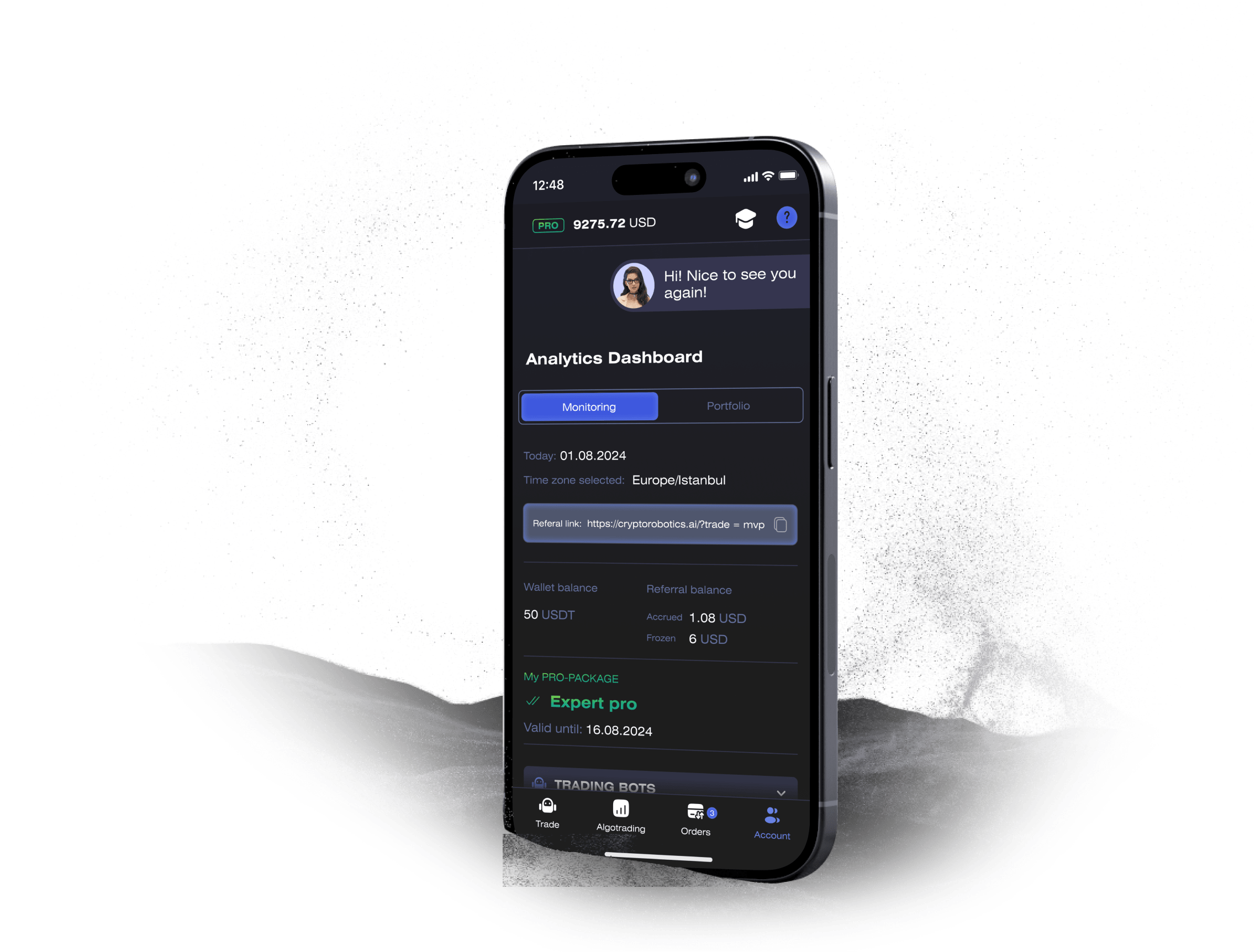
Access the full functionality of CryptoRobotics by downloading the trading app. This app allows you to manage and adjust your best directly from your smartphone or tablet.

News
See more