


Published: June 16, 2026 at 6:03 am
Updated on June 16, 2026 at 6:03 am




As the cryptocurrency sphere accelerates at an unprecedented pace, the demand for robust regulatory measures is intensifying. Recently, the Government Accountability Office (GAO) took a bold step forward, signaling the Federal Deposit Insurance Corporation (FDIC) to enhance its coordination with other regulatory entities. This editorial delves into the profound implications reshaping the relationship between banks and cryptocurrency custody services, hinting at a transformative future.
The insights from the latest GAO report expose the chaos inherent in the current digital asset oversight, particularly for banks exploring crypto ventures. Supervision is splintered across various agencies, resulting in a foggy landscape that complicates compliance for financial institutions engaging in crypto-related activities. The GAO’s directive urges a cohesive approach among the FDIC, the Office of the Comptroller of the Currency (OCC), and the Federal Reserve. By synchronizing their efforts, a lucid framework could emerge, empowering banks to expand their services in stablecoin regulation and digital asset examinations without the burden of uncertainty.
U.S. banking regulators find themselves at a critical juncture, entrusted with acting upon these GAO recommendations. Regulatory clarity is no mere bureaucratic checkbox; it is essential for nurturing credible banking relationships with cryptocurrency firms that stand resilient amidst the digital economy’s complexities. Should these recommendations materialize effectively, we could witness a seamless integration of blockchain payment systems that bridge traditional finance with the avant-garde realm of cryptocurrency. This new synergy may well encourage banks to embrace crypto custody services and actively contribute to stablecoin reserves—revealing fresh revenue opportunities that stimulate industry expansion, particularly through innovative solutions like the gekko cryptocurrency trading bot.
What is at stake for the average consumer? The introduction of clearer regulations could dismantle the comprehensive compliance ambiguity that often hampers smoother access to cryptocurrency markets. Retail users, who heavily depend on banks for convenient entry into crypto trading avenues, are in line for substantial benefits should a more predictable regulatory environment take shape. As barriers diminish, we may see an acceleration in the incorporation of crypto trading bots and innovative fintech solutions. Consequently, individual investors could enjoy enhanced liquidity and more favorable rates—vital components for seizing opportunities within the digital asset investment landscape. Additionally, identifying the best trading platform for crypto in India may become simpler as the market evolves.
Despite the auspicious outlook for improved interagency collaboration, vigilance is paramount regarding the accompanying risks. If the FDIC modifies its guidelines for stablecoin reserves without reconciling diverse risk perceptions across institutions, progress may stall. Clashing institutional attitudes could dissuade banks from engaging fully in crypto initiatives due to lingering compliance anxieties. Establishing a consistent enforcement framework alongside banks’ willingness to adapt is essential to unlock the potential of digital asset services fully.
The ongoing discourse surrounding regulation reflects more than a momentary reaction; it marks a significant evolution within the U.S. regulatory framework. The vision of a consolidated regulatory structure could herald a new chapter for cryptocurrencies. As legislators gradually grasp the rigid and fragmented systems currently in place, there lies the potential for an environment that nurtures innovation rather than constraining it. By promoting interagency harmony and recalibrating regulations to align with crypto’s fluidity, the U.S. is poised to emerge as a formidable player in the realms of blockchain technology and digital finance.
As we venture deeper into this transformative era of cryptocurrency regulation, the influence of GAO recommendations stands to extend beyond institutional confines. With improved collaboration between regulatory agencies, banks could finally advance their efforts in offering crypto custody services, democratizing access to digital assets for all users. The journey ahead may be riddled with obstacles, but through forward-thinking engagement and strategic regulatory initiatives, the prospects for cryptocurrency in the U.S. look promising.
In this rapidly evolving landscape, it is imperative to stay informed and adaptable. As decisions unfold, both companies and consumers must remain alert, recognizing that a more harmonized regulatory framework could redefine the future of the financial landscape we inhabit.
Egor Romanov is an experienced crypto analyst, professional trader, and author of trading strategies and the Cryptorobotics blog, where he shares his knowledge about cryptocurrencies and financial markets.
Alina Tukaeva is a leading expert in the field of cryptocurrencies and FinTech, with extensive experience in business development and project management. Alina is created a training course for beginners in cryptocurrency.
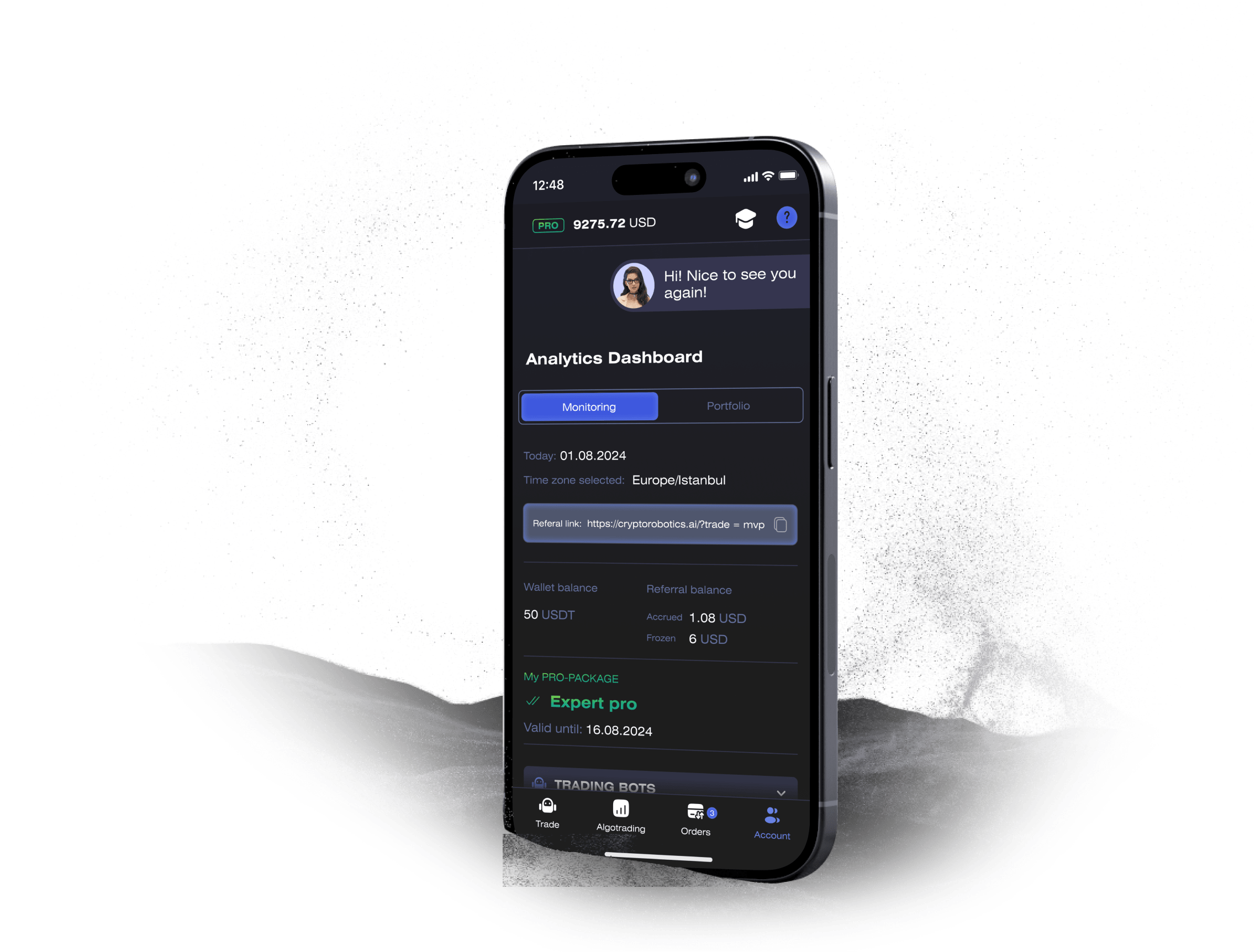
Access the full functionality of CryptoRobotics by downloading the trading app. This app allows you to manage and adjust your best directly from your smartphone or tablet.

News
See more