


Published: May 06, 2026 at 2:11 am
Updated on May 06, 2026 at 2:11 am




Is the cryptocurrency landscape finally on the verge of clarity? As digital assets storm onto the global stage, the Commodity Futures Trading Commission (CFTC) is setting the course with groundbreaking regulatory shifts. At Consensus Miami 2023, CFTC Chair Mike Selig delivered a stirring address that signals a transformative era for non-custodial software developers in the United States. His words not only illuminate the path for innovators but also tackle the murky legal terrain surrounding prediction markets. This juncture brims with promise, evoking optimism among stakeholders eager to navigate a refreshed regulatory milieu.
The CFTC’s evolution from a reliance on no-action letters to establishing formal rules signals a decisive turn in the regulatory narrative. While no-action letters previously offered fragmented, context-specific advice—often leaving developers like Phantom Technologies grappling in a fog of uncertainty—the shift to a more structured regulatory framework can herald a new dawn. It’s about time non-custodial software providers received robust protections that allow for creativity without the specter of legal implications looming overhead. “A comprehensive regulatory framework is imperative for fostering a thriving crypto ecosystem,” Selig emphasized, championing a more proactive stance on regulation.
As federal guidance takes center stage, it’s crucial not to overlook the intricate dance with state regulations. The United States presents a patchwork of state interpretations when it comes to financial transactions and gambling, often hindering true innovation. The rise of prediction markets—think platforms like Polymarket and Kalshi—illustrates the complications that arise when a myriad of state regulations create legal gray areas. Selig’s push for establishing federal oversight aims to obliterate these inconsistencies, working toward a streamlined framework that could entice a wider array of players into the burgeoning prediction markets.
The increasing synergy between the CFTC and the Securities and Exchange Commission (SEC) is a welcome shift towards cohesive regulation. As Selig pointed out, software developers simply providing transactional tools shouldn’t face the same regulatory burdens as traditional financial institutions. This collaboration could birth a nurturing regulatory atmosphere where innovation flourishes, protected by comprehensive oversight. By pooling resources and creating joint initiatives, the two agencies might just cultivate an environment that enables developers, such as those creating a white label futures trading platform or crypto futures trading bot, to unleash their creativity without the constant worry of outdated laws.
For those entrenched in decentralized finance (DeFi), the implications of these developments are profound. With yield farming strategies on the rise, previous regulatory climates often posed formidable challenges for entry. The CFTC’s forthcoming rulemaking could herald a renaissance for non-custodial wallets and DeFi platforms alike. However, the excitement must be tempered with caution; there lies the risk that the DeFi ecosystem, once a bastion of permissionlessness, might gravitate towards dominance by established entities as institutional interest heightens.
As the relationship between the CFTC and SEC deepens, the pursuit of a balanced regulatory model remains paramount. The integration of cutting-edge technologies—like AI-driven monitoring systems—represents a critical component of this new regulatory landscape. Selig has shared his vision for utilizing these advanced tools to detect fraud and uphold ethical standards in market transactions. Such initiatives are not simply beneficial; they are essential for reinstating faith among retail and institutional investors alike. “Our aim is to fuel responsible innovation while ensuring consumer protections that uphold market integrity,” he declared, spotlighting the need for equilibrium.
The CFTC’s bold pivot towards formal rules for non-custodial software marks a watershed moment in the realm of digital asset regulation. By laying down clearer guidelines and extending broader protections, the CFTC is on a mission to nurture an innovative environment that adeptly navigates the intricacies of state laws. While uncertainties loom—particularly regarding potential conflicts between federal and state jurisdictions—the collaborative efforts of regulatory bodies offer a glimmer of hope for a more robust ecosystem. The changing landscape in cryptocurrency charges forward, promising a new chapter characterized by financial innovation dovetailed with regulatory lucidity.
Egor Romanov is an experienced crypto analyst, professional trader, and author of trading strategies and the Cryptorobotics blog, where he shares his knowledge about cryptocurrencies and financial markets.
Alina Tukaeva is a leading expert in the field of cryptocurrencies and FinTech, with extensive experience in business development and project management. Alina is created a training course for beginners in cryptocurrency.
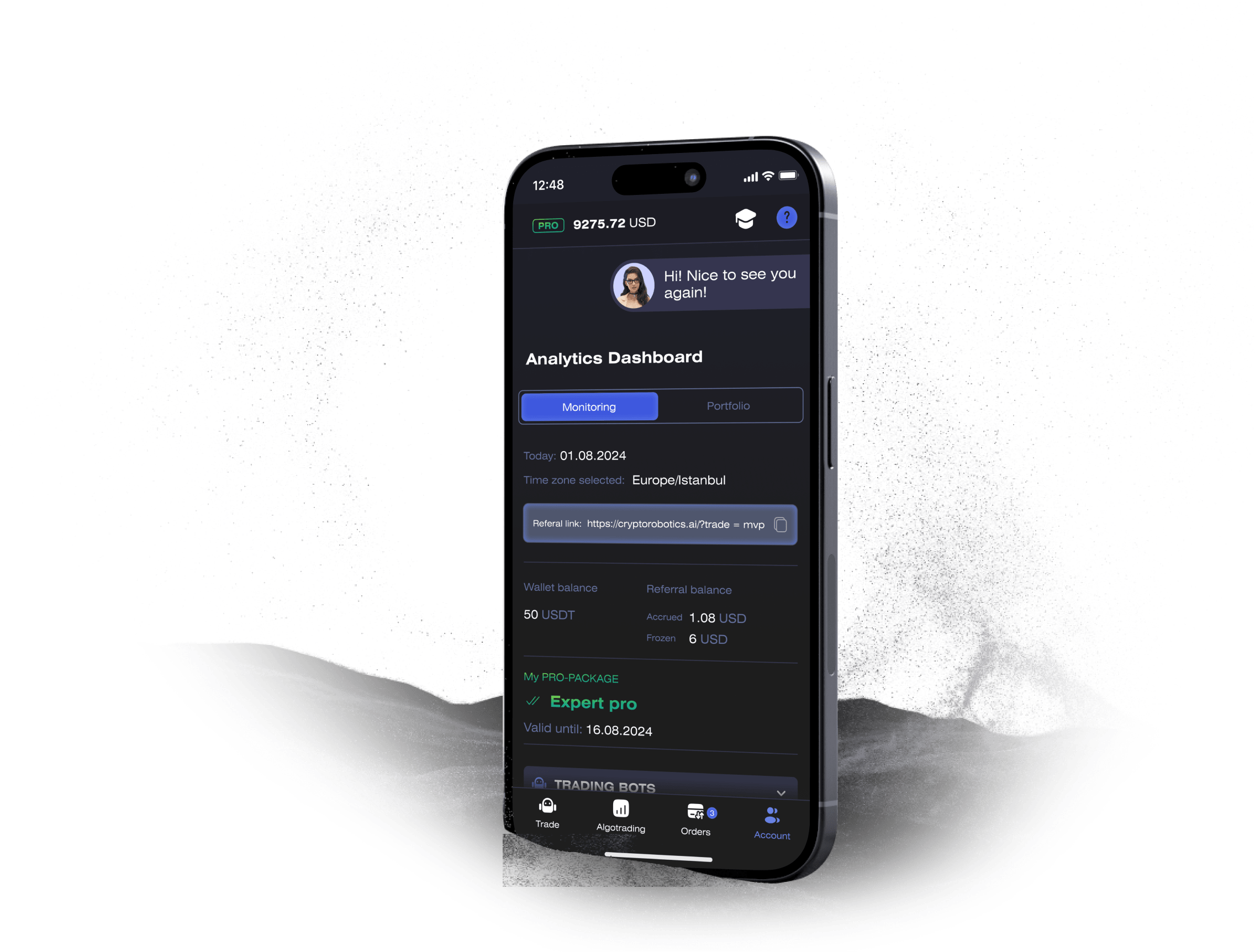
Access the full functionality of CryptoRobotics by downloading the trading app. This app allows you to manage and adjust your best directly from your smartphone or tablet.

News
See more