Published: May 04, 2026 at 6:29 pm
Updated on May 04, 2026 at 6:29 pm

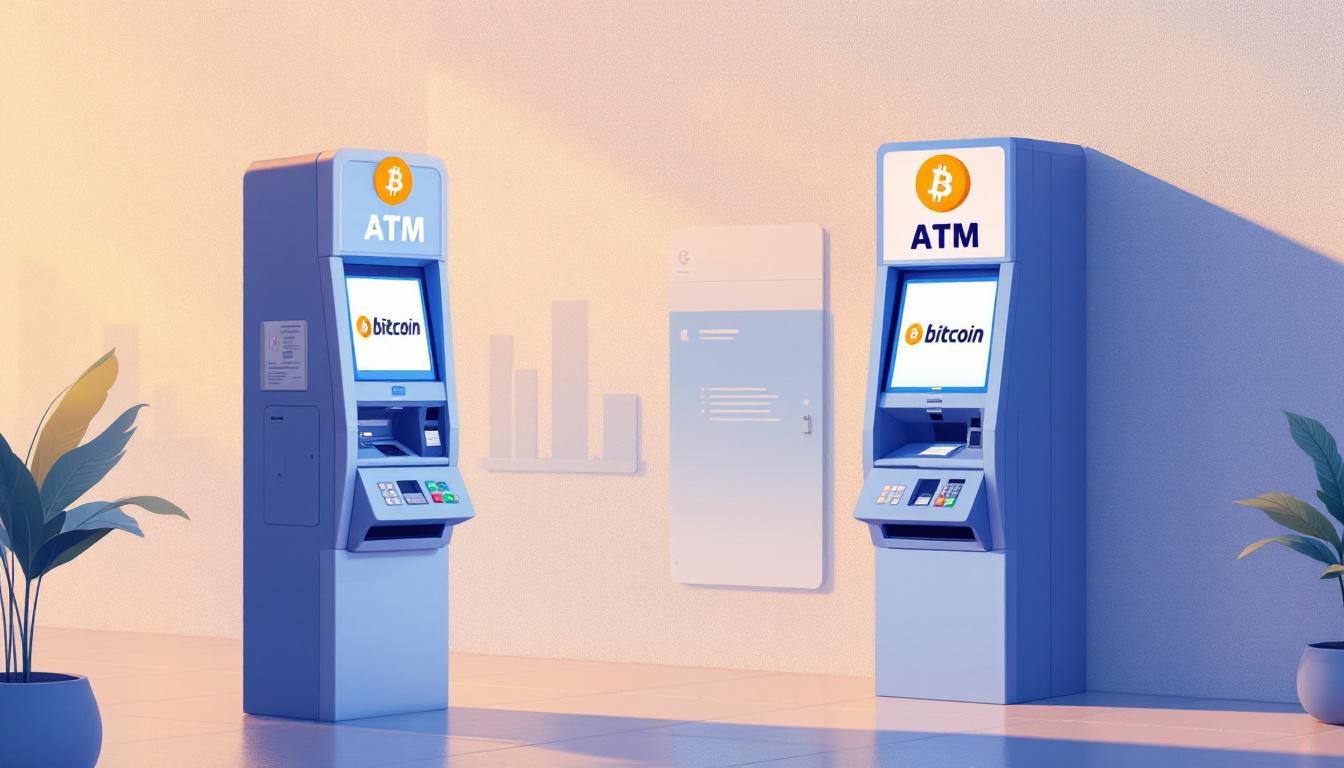


In a surprising twist, Canada finds itself at the forefront of a cryptocurrency revolution, boasting a staggering 3,904 Bitcoin ATMs in operation as of 2026. This surge is oddly juxtaposed with growing anxiety from lawmakers over a proposed federal ban that threatens to stifle access to these machines. As curiosity mingles with caution, Canadians increasingly turn to these ATMs as a lifeline to digital currency, particularly as many navigate financial uncertainty. This paradoxical scenario raises critical questions about the balance between regulatory oversight and consumer access as the country grapples with the implications of rising cryptocurrency adoption.
Despite the government’s looming proposal to implement a nationwide ban, the number of Bitcoin ATMs in Canada has climbed nearly 5% since the start of the year, creating a tension that is hard to ignore. This growth occurs in the wake of disturbing statistics indicating Canadians fell victim to over $704 million in fraud incidents in 2025. The federal government views these ATMs as a breeding ground for scams, asserting that they are being manipulated as cash-to-crypto conduits by unscrupulous actors.
In the Spring Economic Update, policymakers made their intentions crystal clear: “To safeguard Canadians, we propose banning crypto ATMs, which have become primary tools for scammers and criminals.” However, this promising increase in ATM installations stands in stark contrast to their goals, illustrating a complex dance between the demand for consumer access and the necessity of regulatory surveillance. The challenge remains: how can the authorities mitigate the risks inherent in cryptocurrency transactions while ensuring that they remain accessible to the broader population?
The potential ban on Bitcoin ATMs marks a significant chapter in Canada’s financial regulation narrative. Enacting such a ban could overhaul the landscape for both casual users and operators alike. For many, these ATMs represent vital access points to Bitcoin, especially for individuals who rely on cash as their primary transaction method. Stricter regulations could, unintentionally, drive those without traditional banking services or those valuing privacy into the shadows of the digital economy.
This Canadian dilemma runs parallel to a contrasting approach taken by the United States, which boasts nearly 30,000 Bitcoin ATMs and has favored a more laissez-faire regulatory strategy. Such an approach has fostered an environment that champions cryptocurrency accessibility, posing a potential challenge for Canada. The differing tactics raise significant stakes, suggesting that Canadian users may increasingly turn to online exchanges or alternative trading platforms, such as the best Canadian trading platform, if access through ATMs becomes overly constricted.
Should the federal government’s ban take shape, the repercussions for the Canadian cryptocurrency landscape could be profound. Enthusiasts might flock to online trading venues or innovative platforms that provide an unencumbered experience devoid of physical machines. Brilliant minds within the youth demographic are well-positioned to seize this shift, as they may embrace crypto engagement through interfaces designed for seamless user interaction rather than navigating cumbersome compliance protocols. These copy trading platforms available in Canada may also gain traction as users seek alternative ways to engage with the market.
A decline in conventional Bitcoin ATMs could usher in a renaissance for automated trading tools, strategically empowering users to capitalize on market fluctuations. While the rationale for the proposed ban is rooted in the desire to insulate consumers from fraud, it poses the risk of alienating a vital segment of the user base, potentially pushing them towards less regulated platforms where oversight is a mere afterthought.
As Canada weighs the future of its Bitcoin ATMs, the broader North American landscape offers a study in contrasts. The United States is doubling down on the advantages of crypto ATMs, aiming to enhance access, whereas Canada is contemplating restrictive measures. Meanwhile, regions in Europe are witnessing dwindling ATM numbers, a reflection of intensified regulatory scrutiny that has stifled growth.
Standing at this pivotal crossroads, Canada possesses the opportunity to influence cryptocurrency policy worldwide. Its stance on fraud prevention and potential restrictions could serve as a touchpoint for other nations navigating similar waters, dramatically reshaping the conversation around digital currencies.
As the stakes escalate, the fate of Bitcoin ATMs in Canada confronts an increasingly uncertain path amidst intensifying regulatory discourse. The remarkable uptick in ATM installations injects urgency into a broader narrative surrounding cryptocurrency access and oversight. The challenge ahead lies in striking a delicate balance, ensuring that regulations do not hinder progress while protecting consumers in an evolving marketplace. The best trading platform in Canada must be looked at closely as these conversations unfold. As Canadians contemplate their next moves, the choices made in this moment hold the potential to define the future of digital finance not just in Canada, but across borders.
Egor Romanov is an experienced crypto analyst, professional trader, and author of trading strategies and the Cryptorobotics blog, where he shares his knowledge about cryptocurrencies and financial markets.
Alina Tukaeva is a leading expert in the field of cryptocurrencies and FinTech, with extensive experience in business development and project management. Alina is created a training course for beginners in cryptocurrency.
Access the full functionality of CryptoRobotics by downloading the trading app. This app allows you to manage and adjust your best directly from your smartphone or tablet.


News
See more