


Published: June 18, 2026 at 1:29 pm
Updated on June 18, 2026 at 1:29 pm




Hold onto your digital wallets—what just transpired with the Aztec protocol serves as a jarring reminder of the lurking dangers within decentralized finance. The once-trustworthy cornerstones of this ecosystem, often referred to as “zombie contracts,” have now become potential traps for even the most vigilant investors. In a shocking revelation, hackers siphoned off more than $4 million from Aztec’s outdated systems within a single week. The perpetrators exploited a validation loophole, exposing engrained weaknesses. This piece delves into the details of the Aztec exploit, scrutinizing its implications for the security of digital assets and unraveling the ongoing challenges faced by aging decentralized finance protocols.
On the fateful days of June 14 and June 18, the Aztec Protocol faced a brutal onslaught against its Private Rollup Bridge—a feature long past its prime. Esteemed cyber sleuths from PeckShield and SlowMist have pegged the losses from these breaches at approximately $2.2 million. The attacks unearthed foundational shortcomings in validation processes, granting unauthorized withdrawals through a faulty emergency exit mechanism. As losses in the crypto arena grow skyward, these breaches underscore an immediate need for scrutiny on legacy infrastructure vulnerabilities scattered throughout the DeFi landscape.
As new DeFi initiatives gain traction, their older counterparts are often relegated to the digital graveyard, yet those “zombie contracts” linger on the blockchain, and their dangers are far from extinguished. These defunct agreements can conceal untapped vulnerabilities, rendering them delectable targets for cyber malfeasance. The recent Aztec breaches starkly illustrate how these seemingly dormant systems still harbor exploitable flaws. Experts caution that while the immutable nature of smart contracts was conceived to foster security, unchecked validation logic morphs into a lurking structural risk.
At the center of Aztec’s security fallout is a glaring validation oversight in its antiquated transaction verification framework. The involved contracts facilitated unauthorized withdrawal commands without proper safeguards, revealing significant deficiencies in the overarching decentralized finance system. Researchers contend that these vulnerabilities not only jeopardize individual platforms but pose systemic threats across the cryptocurrency tapestry. In this evolving DeFi landscape, the imperative to swiftly recognize and rectify validation flaws is paramount to securing all protocols’ futures.
In the aftermath of the Aztec exploit, market responses appeared notably tempered. Since the contracts in question belonged to outdated frameworks, sentiment seemed lukewarm among investors, who redirected their focus to the current state of the Aztec Network. Yet, the shadows of earlier security breaches—including the massive Kelp DAO incident—urge crypto traders and investors to recalibrate their perception of risk across both active and relic platforms, especially when considering the importance of tools such as crypto day trading bots and reliable crypto trading platform GitHub resources.
As the DeFi arena expands, it becomes increasingly crucial to fortify security mechanisms across all tiers, irrespective of whether they’re actively engaged. Developers should contemplate the removal or reconfiguration of emergency withdrawal paths embedded in these immutable contracts to preempt similar exploitations in the future. This incident amplifies the case for rigorous security protocols and continuous code evaluations within blockchain realms. A commitment to identifying weaknesses in both fresh and legacy frameworks is vital for establishing robust systems capable of withstanding exploitation while also ensuring the effective deployment of crypto signal execution platforms.
The Aztec exploit underscores a stark reality: the shadows of obsolete systems can cast a long, menacing shadow even after they cease to function. As cryptocurrency continues to evolve, a firm grasp of the complexities linked to legacy infrastructure vulnerabilities is indispensable. The perils associated with immutable smart contracts, particularly around validation flaws and emergency withdrawal protocols, lay bare the intricate risks facing decentralized finance. Addressing these challenges is not merely necessary; it’s essential for restoring trust within the crypto community and paving a promising, secure future for digital asset stewardship. In an age dominated by technological advancements, it’s imperative we learn from these lessons, ensuring no stone is left unturned in safeguarding the decentralized finance landscape.
Egor Romanov is an experienced crypto analyst, professional trader, and author of trading strategies and the Cryptorobotics blog, where he shares his knowledge about cryptocurrencies and financial markets.
Alina Tukaeva is a leading expert in the field of cryptocurrencies and FinTech, with extensive experience in business development and project management. Alina is created a training course for beginners in cryptocurrency.
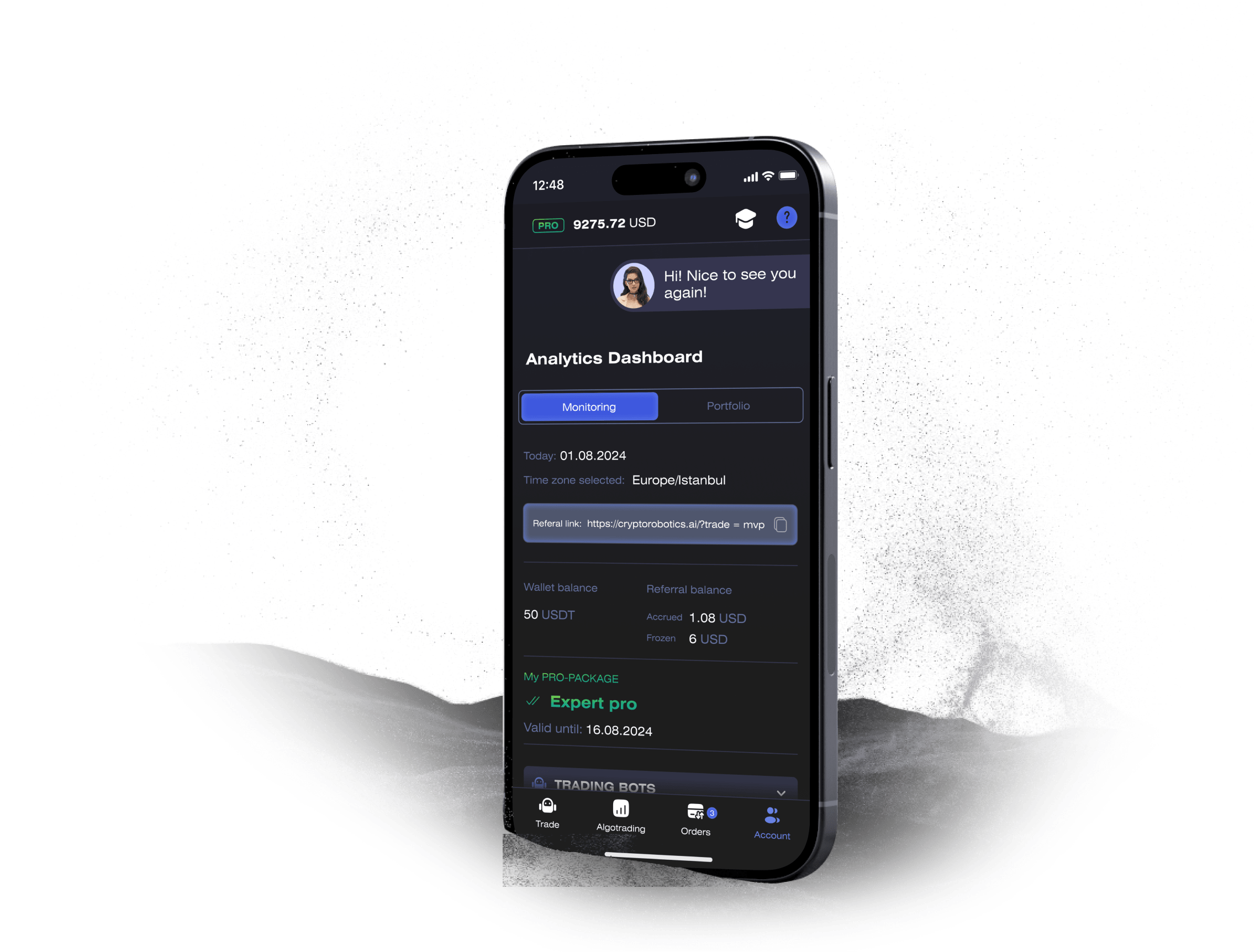
Access the full functionality of CryptoRobotics by downloading the trading app. This app allows you to manage and adjust your best directly from your smartphone or tablet.

News
See more