

Published: April 16, 2026 at 3:44 pm
Updated on April 16, 2026 at 3:44 pm




Imagine amassing a staggering $1.5 million paper profit, only to realize it’s tethered to tokenized assets that you can’t cash out. This is the eye-opening scenario playing out for a Solana whale, serving as a stark reminder of the evolving dangers lurking within the realm of tokenized stocks. As decentralized finance (DeFi) gains momentum, the urgent need to confront and dissect the risks tied to tokenized securities intensifies, especially in this unpredictable financial landscape.
When you hear about tokenized real-world assets (RWAs), it often sounds like a dream come true—fractional ownership, democratized access to private equity, the list goes on. Yet beneath this shiny facade lies a complex web that can ensnare even the most astute investors. The situation involving the Solana whale is a case in point, illustrating how a lack of depth in the market can plunge one into a liquidity trap. On the PreStocks platform, the whale’s attempt to offload tokenized shares from the AI firm Anthropic would have triggered a staggering price dip of over 34%, shedding light on the perilous nature of trading in a market with minimal liquidity.
The term slippage has become essential vernacular for traders, highlighting the inherent risks that accompany tokenized assets. In markets with low trading volume, executing a sizable sell order can send prices tumbling, drastically diminishing expected returns. Tokenized shares often lack the robust buy walls necessary to cushion large transactions, leading to significant losses for unsuspecting investors. Thus, evaluating market depth is crucial before diving into trades, particularly within Solana’s ecosystem, where order books may not reflect favorable trading conditions. For those using a White Label crypto Trading API, understanding market depth becomes even more critical to prevent unexpected losses.
Despite the treacherous landscape, the emergence of sophisticated automated systems offers a glimmer of hope for navigating these tumultuous environments. Automated market makers (AMMs) possess the potential to enhance efficiency in ways traditional trading frameworks struggle to match. However, existing models often flounder when applied to tokenized securities, necessitating a deeper commitment to liquidity and more robust market-making strategies. The cryptocurrency market cries out for hybrid solutions that blend established trading methods with cutting-edge technology to enhance liquidity and create a more secure investing ecosystem, potentially incorporating White Label crypto trading software solutions.
The liquidity dilemma faced by the Solana whale highlights the perilous nature of speculative valuation. The captivating allure of tokenization may enthrall many, yet often results in asset prices that stray far from their intrinsic value. The alarming reality that the Anthropic token trades nearly three times its true worth serves as a sobering reminder that investors could easily find themselves ensnared in speculation-driven bubbles rather than grounded by thorough financial analysis. This cautionary tale resonates throughout the cryptocurrency arena, particularly for novice traders who may lack the experience to discern such misleading scenarios.
The lessons gleaned from the Solana whale’s liquidity crisis carry vital implications for investors wading through the tokenized securities waters:
Prioritize Depth Over Price: Always assess the order book’s depth before considering price points.
Utilize Simulation Tools: Exploit platform features designed to simulate potential price effects before committing to substantial trades.
Focus on Valuation: Anchor your expectations to the genuine value of the underlying asset, remaining cautious of inflated market conditions.
Assess Trading Platforms: Conduct thorough evaluations of the mechanisms in place on trading platforms, such as the White Label Asset Management Dashboard, to ensure liquidity, particularly those involving committed market makers or designated sponsors in emergent markets.
The liquidity crisis confronting the Solana whale starkly illustrates the intricate dangers embedded in tokenized stocks. While blockchain technology has the potential to reshape ownership and streamline transactions, it does not resolve the persistent challenges of liquidity. Responsible investors must traverse these shifting terrains armed with a nuanced understanding of market dynamics. As the divide between paper profits and tangible gains narrows, the landscape of tokenized investing demands meticulous navigation.
Egor Romanov is an experienced crypto analyst, professional trader, and author of trading strategies and the Cryptorobotics blog, where he shares his knowledge about cryptocurrencies and financial markets.
Alina Tukaeva is a leading expert in the field of cryptocurrencies and FinTech, with extensive experience in business development and project management. Alina is created a training course for beginners in cryptocurrency.
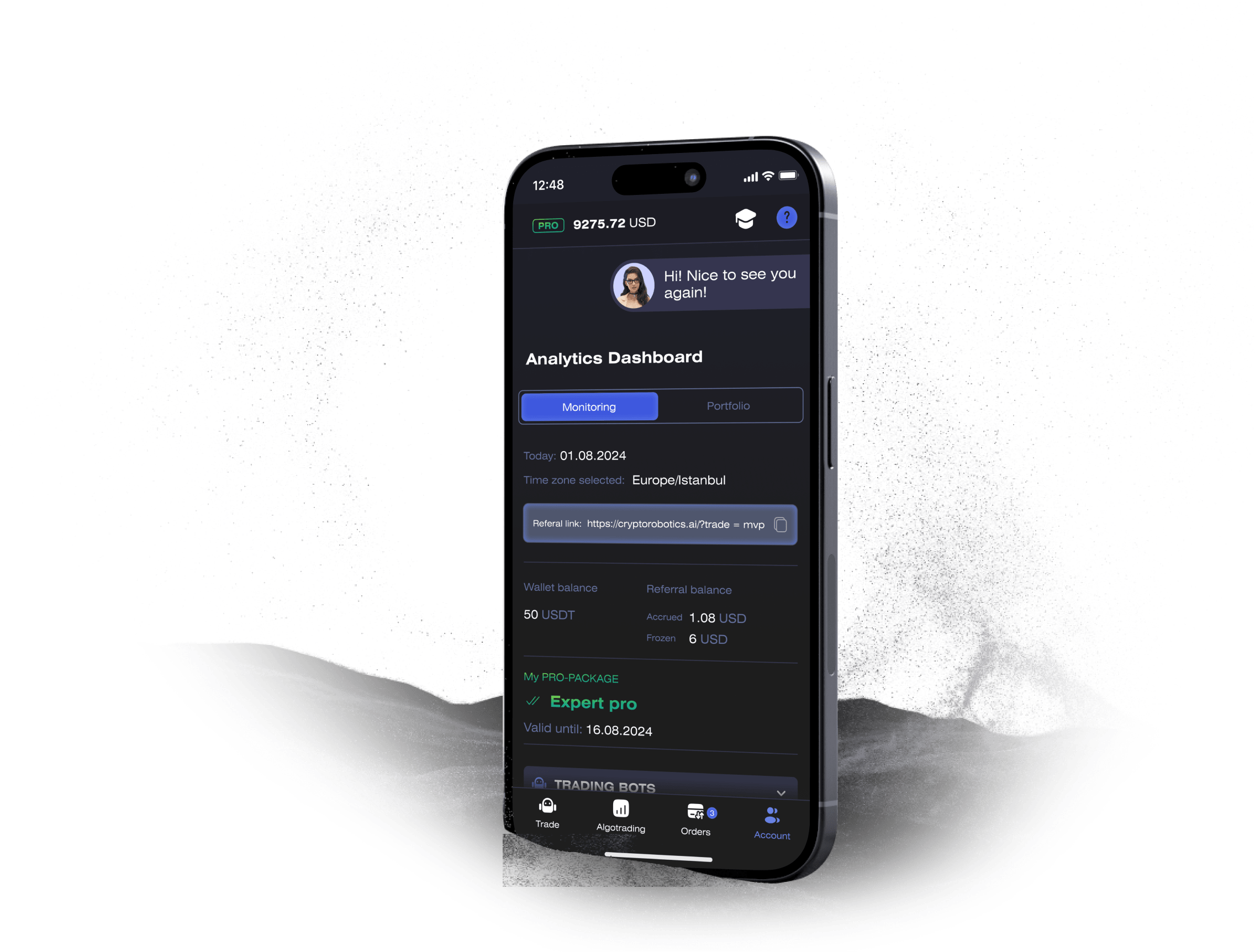
Access the full functionality of CryptoRobotics by downloading the trading app. This app allows you to manage and adjust your best directly from your smartphone or tablet.

News
See more