


Published: May 06, 2026 at 8:50 pm
Updated on May 06, 2026 at 8:50 pm




As we navigate the uncharted waters of the digital frontier, a menacing specter looms ahead: quantum computing. Experts warn of an impending “Q-Day,” with predictions surfacing that this could occur as soon as 2030. At stake is the very foundation of Bitcoin, the pioneering cryptocurrency that has reshaped finance. An alarming potential exists for quantum machines to fracture the cryptographic pillars securing this digital currency, potentially exposing up to six million Bitcoin (BTC). This unfolding scenario compels both veteran and novice investors to take stock and act swiftly.
The emergence of quantum computing is fundamentally upending the landscape of traditional cryptography, particularly systems reliant on public-key encryption like Bitcoin. The crux of this danger is rooted in quantum attacks that prey on exposed public keys. Current estimates suggest that nearly 6.9 million BTC may already be precariously vulnerable, their visibility on-chain revealing a significant risk.
At the heart of the matter lies Shor’s algorithm—a quantum algorithm poised to efficiently unravel the discrete logarithm problem that upholds Bitcoin’s cryptographic strength. As quantum technology advances at a dizzying pace, the need for a comprehensive protection strategy against this existential threat grows more urgent. The ramifications for Bitcoin are profound, posing not only theoretical risks but real challenges to the very concept of digital ownership.
With Q-Day on the horizon, the call for quantum-safe cryptography has never been more urgent. Developing a robust framework to counter quantum threats is critical—and time is of the essence. Mosca’s inequality suggests that if the shift to quantum-resistant systems cannot keep pace with the evolving capabilities of quantum attacks, Bitcoin holders may find themselves in a perilous predicament.
Proposed industry moves, such as the Bitcoin Improvement Proposal (BIP-361), strive to carve out paths toward incorporating quantum-resistant signature technologies. However, the decentralized nature of Bitcoin governance adds layers of complexity, complicating the timely execution of such advancements. High stakes and the imperative for proactive measures are on everyone’s radar.
While financial giants dabble in the realm of quantum technology, the efficacy and timing of their initiatives remain shrouded in uncertainty. Take, for instance, Goldman Sachs’ recent attempts to harness quantum computing for portfolio enhancement, which concluded in setback as the algorithmic requirements proved insurmountably ambitious.
Despite prevailing skepticism, the lure of quantum computing stretches far beyond finance, surfacing in drug discovery, advanced financial modeling, and intricate problem-solving. Many view this technology as the next significant leap post-AI—yet the community remains divided on how soon these theories may materialize into tangible benefits.
For those vested in Bitcoin, the time to prepare for quantum disruptions is upon us. One promising concept gaining traction is Provable Address-Control Timestamps (PACTs). This innovative framework empowers users to validate their control over Bitcoin without revealing their public keys, offering a safeguard that could prove essential in a post-quantum world.
PACTs elegantly merge the need for security with the imperative of privacy, enabling cryptographic proofs to be timestamped within existing Bitcoin infrastructure. This allows for secure claims while transitioning to quantum-resistant protocols. The balance struck here is pivotal, addressing both immediate concerns and future-proofing strategies.
The encroaching threat of quantum computing on Bitcoin is far from hypothetical; it represents a pressing reality that demands our attention and readiness. With millions of BTC potentially hanging in the balance by 2030, recognizing the necessity of quantum-safe enhancements in asset management is crucial for every Bitcoin stakeholder. As discussions within crypto circles evolve, awareness of these risks and the exploration of solutions such as BIP-361 and PACTs can empower investors to shield their digital fortunes.
Ultimately, the challenge is clear: are you prepared to face the quantum tide?
Egor Romanov is an experienced crypto analyst, professional trader, and author of trading strategies and the Cryptorobotics blog, where he shares his knowledge about cryptocurrencies and financial markets.
Alina Tukaeva is a leading expert in the field of cryptocurrencies and FinTech, with extensive experience in business development and project management. Alina is created a training course for beginners in cryptocurrency.
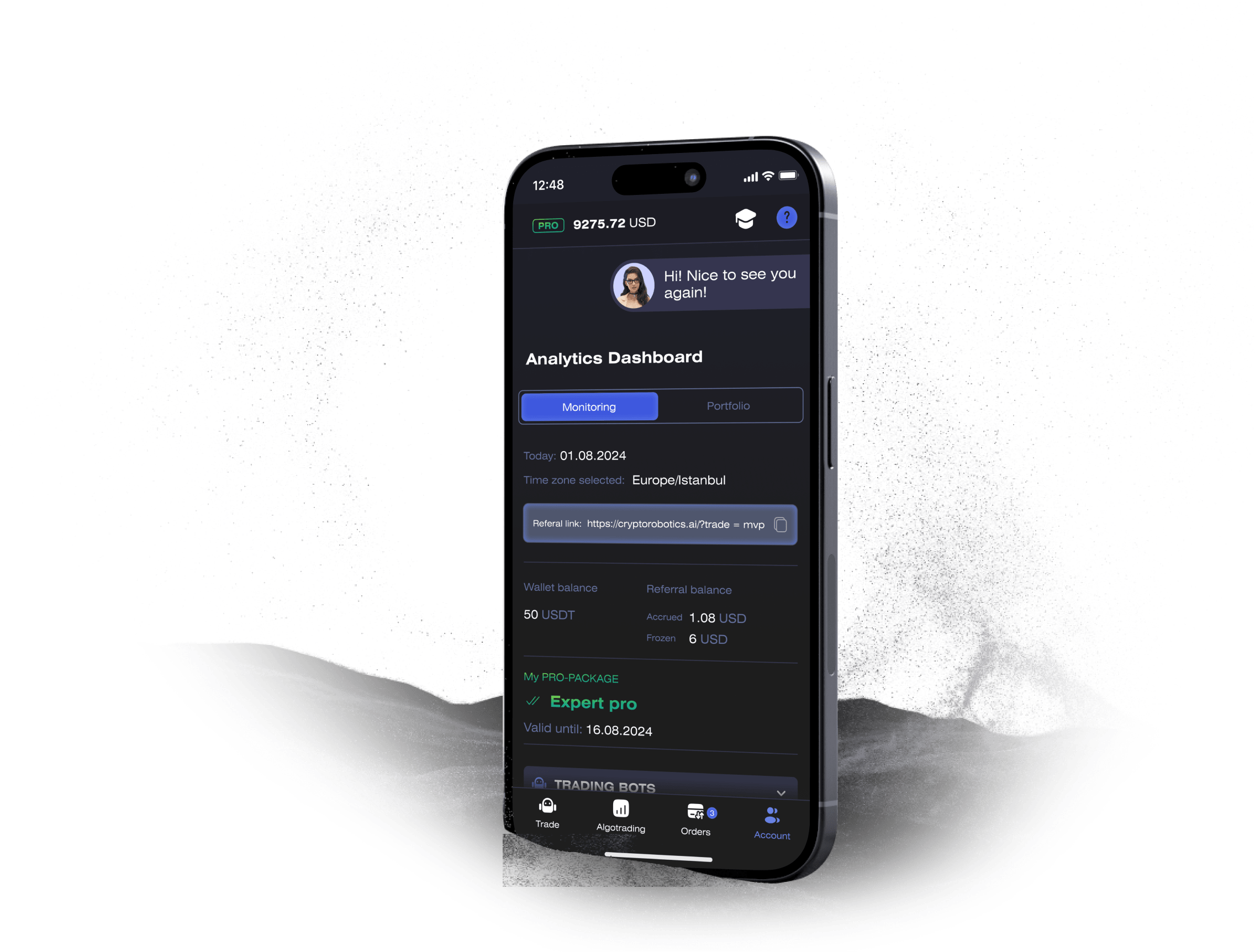
Access the full functionality of CryptoRobotics by downloading the trading app. This app allows you to manage and adjust your best directly from your smartphone or tablet.

News
See more