


Published: April 19, 2026 at 6:20 pm
Updated on April 19, 2026 at 6:20 pm




Imagine waking up to discover that a staggering $292 million has just vanished into thin air. This is the stark reality that has gripped the decentralized finance (DeFi) sector in the aftermath of the KelpDAO exploit, where a massive 116,500 rsETH tokens were illicitly siphoned off. As the dust settles, the fragility of asset management systems within DeFi is laid bare, igniting a flurry of anxieties among consumers and platforms concerning the safeguarding of their digital investments in an environment rife with chaos.
April 18, 2026, marked a critical juncture for KelpDAO, which quickly identified alarming cross-chain activities linked to rsETH. In a decisive move, it froze all contracts, spanning Ethereum’s mainnet and various layer-two networks—an action prompted by unauthorized withdrawals threatening to unravel a foundation perceived as stable. Aave’s concurrent decision to halt its markets showcased an urgent response strategy, underlining the real risk of a contagion spreading through the interconnected web of DeFi protocols.
At the core of this tumult was a cross-chain maneuver facilitated by LayerZero’s protocol—an interconnected system designed to transfer assets like rsETH across disparate blockchains. Initial investigations reveal that attackers used a fabricated instruction to deceive KelpDAO’s bridge mechanism into releasing rsETH without a legitimate corresponding deposit. This unsettling finding brings to light glaring gaps in security mechanisms surrounding cross-chain assets, raising pressing questions about how collateral quality is managed in DeFi.
The KelpDAO debacle amplifies concerns surrounding the inherent dangers of non-isolated lending platforms. Experts in cryptocurrency warn that the aftermath of this exploit exemplifies the weaknesses endemic in environments reliant on shared collateral, where asset values can plummet overnight. With nearly $332 million in potential exposure versus only $5 million in available liquidity on Aave’s balance sheet, lenders found themselves precariously positioned, staring into the abyss of possible loss.
This troubling situation underscores the urgent necessity for stringent governance over collateral management in the DeFi realm. Credit risk demands constant vigilance, particularly for volatile assets like rsETH that can shift in value without warning. The KelpDAO incident should stir all DeFi actors to reevaluate their policies on collateral acceptance, similar to the reviews often conducted on crypto day trading platforms.
Reacting promptly, Aave and other platforms froze their rsETH markets to fend off additional financial hemorrhaging. Such immediate actions reflect a growing tendency in the DeFi sector toward proactive safety protocols, including automated detection systems meant to identify suspicious behavior and preemptively block risky assets. While undeniably essential for preserving platform integrity, these defensive strategies might lead to long-term user dissatisfaction if markets are frequently paralyzed, thus highlighting the importance of stop loss crypto measures.
Moreover, the potential for integrating AI technologies for real-time detection of unusual trading activity holds great promise for enhancing risk management strategies among traders. AI crypto trading bots, equipped with risk management features, could revolutionize how vulnerabilities are addressed, contrasting sharply with traditional exchange models.
As KelpDAO shifts its focus to conducting a thorough investigation into the exploit’s causes, the future remains nebulous for its investors. Stakeholders are anxious, awaiting clarity on whether the DAO can recover funds for affected rsETH holders, and whether Aave will resume deposit operations after instituting enhanced security frameworks.
A detailed evaluation of this incident is urgent; it will reveal the shortcomings within LayerZero’s security and assess the effectiveness of current response tactics in handling similar threats. This episode serves as an essential lesson for new traders—an urgent reminder that the DeFi landscape is a complex web, where risks ripple across interconnected platforms, reminiscent of the dynamics observed on a crypto signal execution platform.
The KelpDAO exploit is a watershed moment for the DeFi ecosystem, highlighting the precarious nature of cross-chain vulnerabilities and the imperative need for improved collateral risk management. As the drama unfolds, both veteran and novice investors must arm themselves with knowledge and remain watchful. In this volatile domain of decentralized finance, shared vulnerabilities demand collective accountability and robust governance to safeguard assets against the specter of future crises.
Egor Romanov is an experienced crypto analyst, professional trader, and author of trading strategies and the Cryptorobotics blog, where he shares his knowledge about cryptocurrencies and financial markets.
Alina Tukaeva is a leading expert in the field of cryptocurrencies and FinTech, with extensive experience in business development and project management. Alina is created a training course for beginners in cryptocurrency.
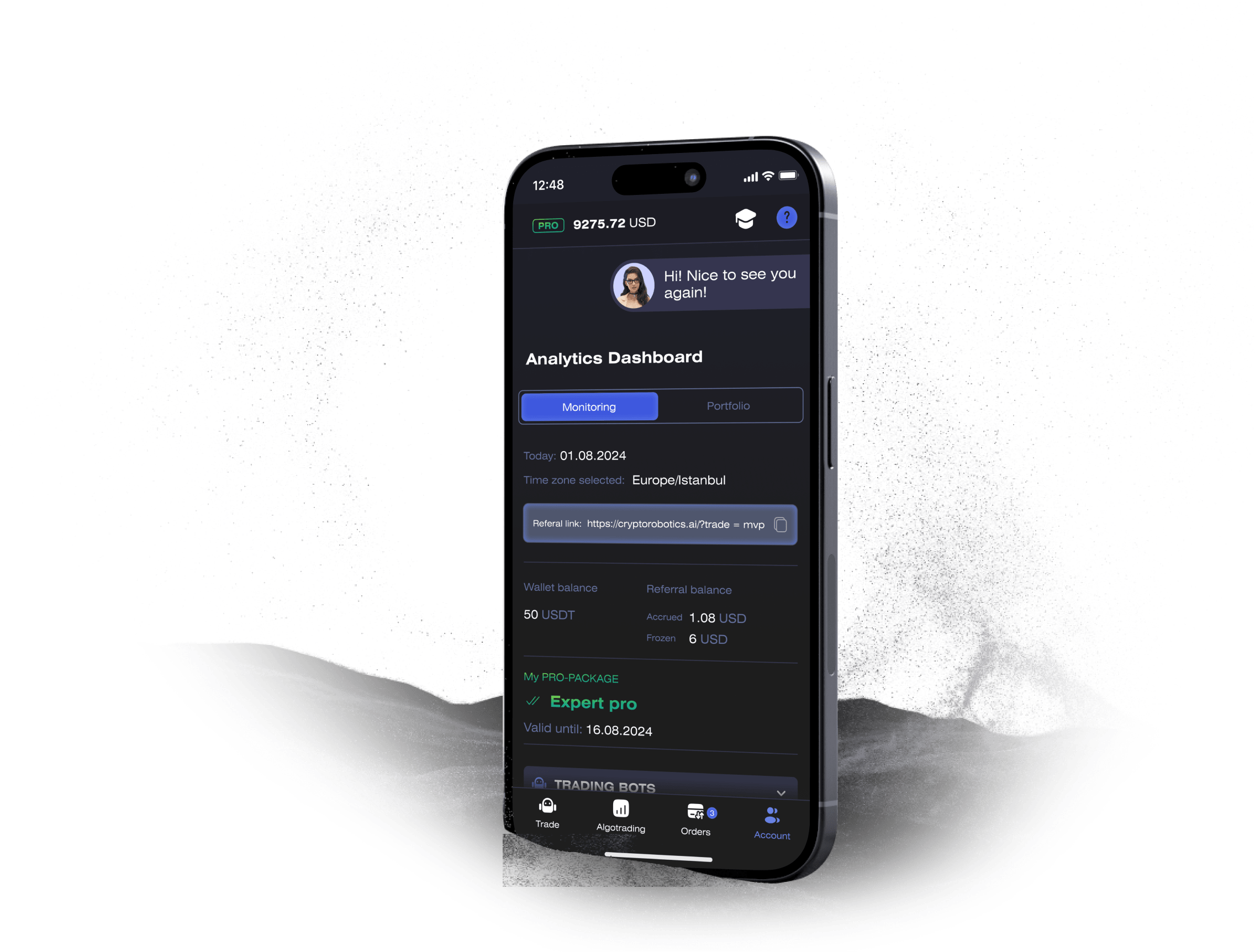
Access the full functionality of CryptoRobotics by downloading the trading app. This app allows you to manage and adjust your best directly from your smartphone or tablet.

News
See more