

Published: June 03, 2026 at 7:14 pm
Updated on June 03, 2026 at 7:14 pm

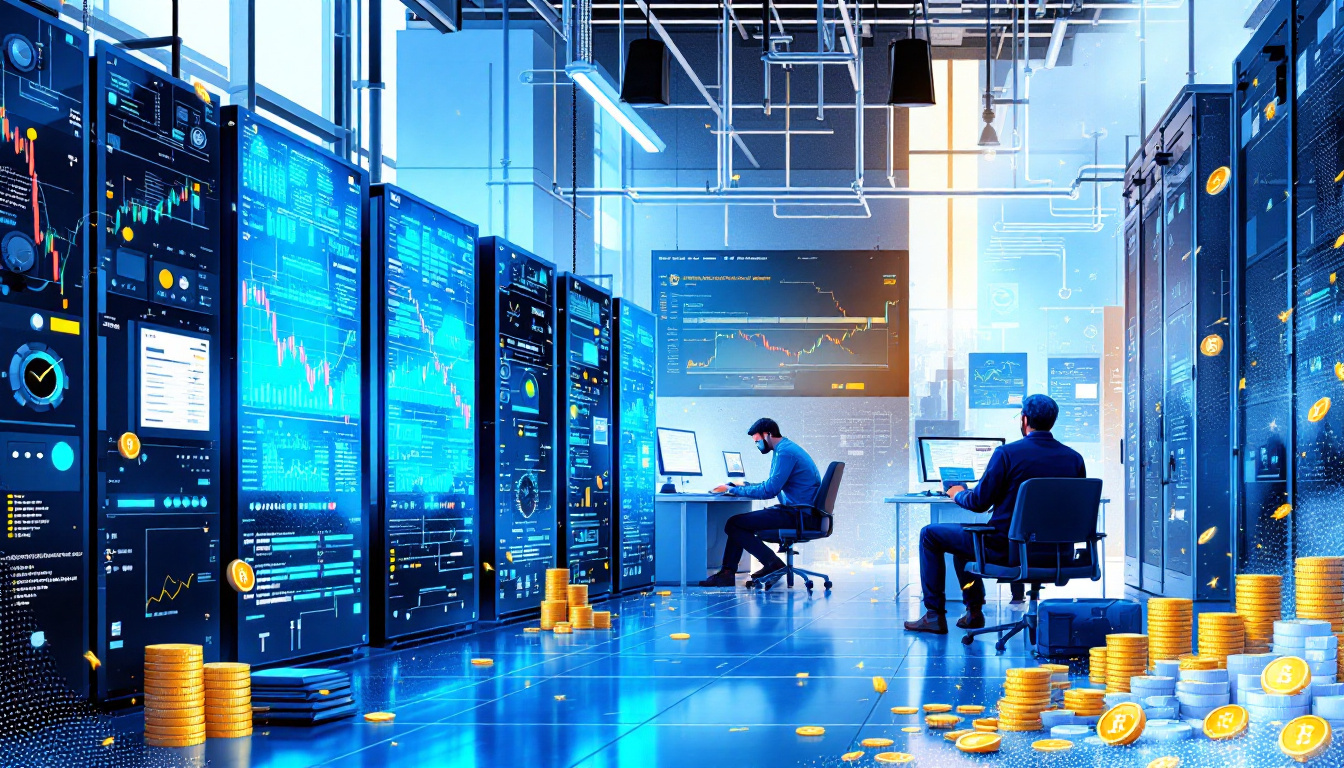


As the world finds itself in the throes of escalating geopolitical conflicts, Bitcoin miners are uniquely situated to navigate this chaos with remarkable agility and resilience.
The tumultuous developments stemming from the Iran war have notoriously reshaped the terrain of global energy pricing, dramatically impacting Bitcoin mining operations. This discourse will explore the subtle yet profound connection between energy costs and Bitcoin mining strategies, highlighting how firms like Bitkern Group are innovating amidst this unpredictable landscape. You’ll discover why Bitcoin mining stands out as a robust contender in an era marked by spiking energy prices and mounting political tensions.
When hostilities in the Iran conflict escalated on February 28, 2026, it sent shockwaves throughout global energy markets in ways few could predict. The pivotal moment came on March 4, when Iran’s closure of the Strait of Hormuz ignited an abrupt surge in Brent crude oil prices, reaching an astonishing $120 per barrel. Though prices have stabilized somewhat in the wake of ceasefire talks, they remain stubbornly elevated by about 30% when compared to pre-war figures. This persistent volatility serves as both a challenge and an opportunity for energy-dependent sectors, particularly those involved in Bitcoin mining.
What distinguishes Bitcoin miners in this landscape is their outstanding capacity to adjust their energy consumption at will. Patrick Stich, COO of Bitkern Group, emphasizes a pivotal advantage inherent in Bitcoin mining: the operational flexibility to dial down energy usage as needed. Unlike AI data centers, which are tethered to constant energy demands to maintain smooth operations, Bitcoin miners can curtail their power load, allowing them to adapt with finesse to shifting dynamics in the energy market.
This flexibility becomes particularly crucial during moments of crisis or spikes in electricity costs. By negotiating Power Purchase Agreements (PPAs) that allow for temporary shutdowns, Bitcoin miners can redirect energy resources to residential and industrial needs, securing access to less expensive electricity options that tend to elude AI data centers accustomed to rigid energy commitments.
As interest in AI capabilities accelerates, a pronounced disparity in energy consumption patterns emerges between AI data centers and Bitcoin mining facilities. Projections forecast that by 2030, AI data centers could consume around 9% of the United States’ total electricity supply, placing immense pressure on power grids. This scenario amplifies the operational advantages enjoyed by Bitcoin miners, with their adroit capacity to adapt to fluctuating energy needs.
Traditionally, Bitcoin mining endeavors maintain relatively low energy overheads by powering down during periods of high prices. Conversely, AI data centers are typically bound by long-term contracts that necessitate continuous energy availability, leaving them vulnerable to rising operational costs. This shifting paradigm engenders a fascinating competitive tension between the two sectors.
The specter of geopolitical risks significantly influences energy pricing and availability—fundamental factors for anyone engaged in Bitcoin mining investment. Experts suggest that miners located in politically stable territories with reliable and affordable energy sources are likely to outshine competitors entrenched in conflict-riddled zones. The ability to modulate energy consumption emerges not merely as an economic edge but as a vital survival strategy in today’s turbulent market landscape.
Moreover, ongoing geopolitical uncertainties perpetually apply pressure on energy pricing, casting Bitcoin miners in an unexpected light. They are no longer seen solely as players in the crypto space; instead, they are increasingly acknowledged as crucial infrastructure operators committed to fostering energy stability.
In light of the burgeoning demand for high-performance computing, several Bitcoin miners are revamping their business strategies to accommodate the burgeoning needs of AI infrastructure. This strategic pivot allows them not only to monetize surplus energy capacity but also to build consistent revenue streams. By aligning operations with AI applications, miners can forge lucrative partnerships with technology firms hungry for extensive power resources.
With a global presence, firms like Bitkern are positioned to weather localized conflicts and unpredictable energy price shifts. Their deliberate investments in energy infrastructures underpin their growth strategy, aligning themselves strategically with the emergent market needs for AI computing services.
As geopolitical tensions loom and energy prices tighten, Bitcoin miners equipped for nimble maneuvers and energy adaptability stand on the verge of a promising future. By venturing into AI-centric workloads and leveraging their unique strengths in energy management, these miners are set to reshape the expectations surrounding cryptocurrency mining as we know it.
Navigating the complex interplay of energy pricing, geopolitical risks, and technological advancement is increasingly essential for investors and stakeholders within the crypto sphere today. Bitcoin mining has transcended its original bounds of block generation; it now represents a vital player in a grander dialogue about energy dependency and infrastructure in our ever-evolving world. It’s time for Bitcoin miners to emerge as key actors in an urgent energy discourse that simply cannot be overlooked. The fusion of energy production and computation is not merely an opportunity—it’s an existential mandate for what lies ahead.
Egor Romanov is an experienced crypto analyst, professional trader, and author of trading strategies and the Cryptorobotics blog, where he shares his knowledge about cryptocurrencies and financial markets.
Alina Tukaeva is a leading expert in the field of cryptocurrencies and FinTech, with extensive experience in business development and project management. Alina is created a training course for beginners in cryptocurrency.
Access the full functionality of CryptoRobotics by downloading the trading app. This app allows you to manage and adjust your best directly from your smartphone or tablet.


News
See more