

Published: June 08, 2026 at 8:16 pm
Updated on June 08, 2026 at 8:16 pm

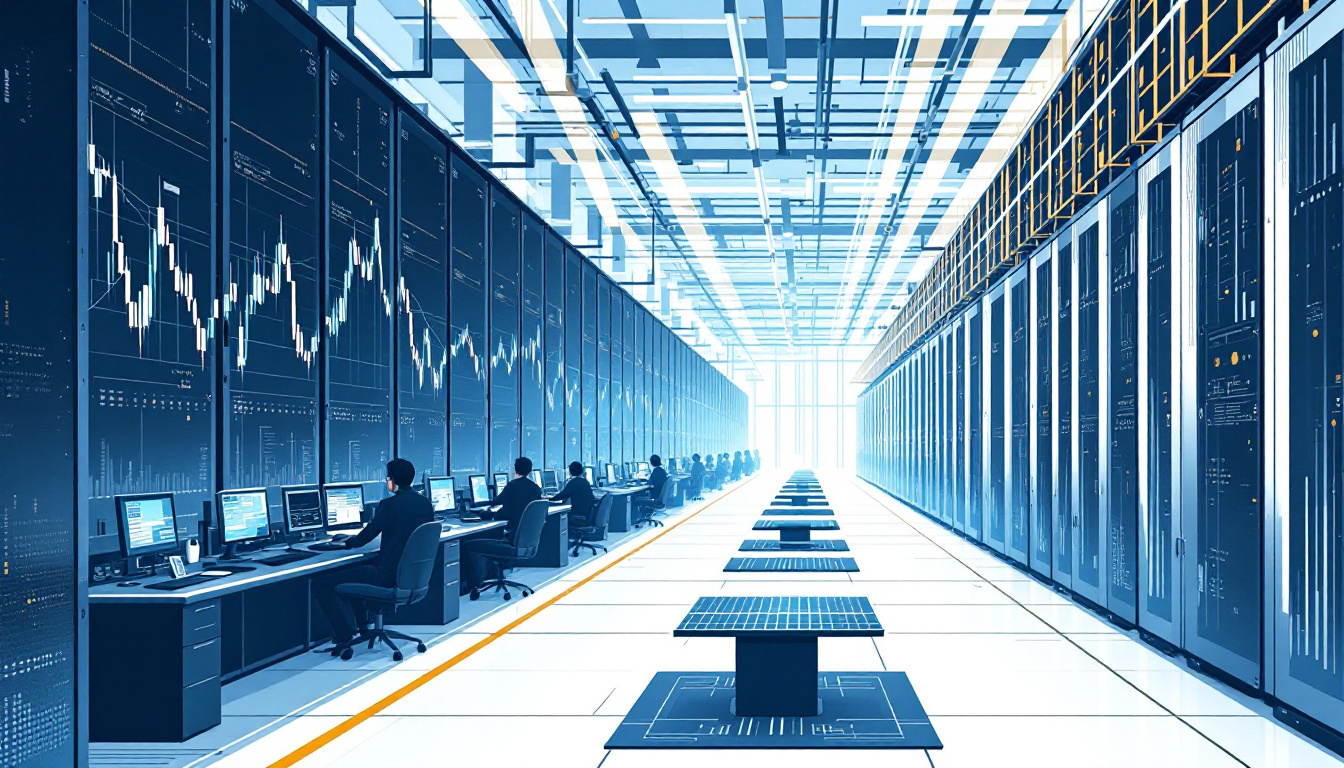


When you think of Bitcoin miners, what comes to mind? Just a bunch of folks chasing digital coins in a volatile world? Think again. We’re witnessing an exhilarating transformation as these miners step onto a new stage—one that positions them as pivotal players in the burgeoning arena of artificial intelligence. With an astonishing influx exceeding $70 billion earmarked for AI and high-performance computing contracts, the dynamics of energy production and consumer power needs are shifting in dramatic fashion. This piece explores how Bitcoin miners are seizing this unprecedented moment, leveraging their established infrastructures, and possibly rewriting the narratives of both the cryptocurrency and AI sectors.
Once often seen as fleeting players in a market defined by highs and lows, Bitcoin miners are morphing into something much greater—crucial contributors to AI infrastructure. They’re no longer just about mining coins; they’re now regarded as “power landlords of AI,” with the ability to deliver indispensable computing resources for the fast-expanding AI industry. In this light, miners are reshaping their identities. They have shifted from mere cryptocurrency traders to strategic partners, poised to meet the escalating energy demands characterized by AI innovations.
As the AI revolution intensifies, the relentless demand for power has become a bottleneck for tech companies. They are scrambling to secure stable and scalable electricity solutions to support their ambitious plans for AI data centers. Herein lies a golden opportunity for Bitcoin miners, who are now entering into lucrative, multi-billion-dollar partnerships with tech behemoths like Google and Microsoft. These collaborations have nudged miners toward a sustainable revenue model derived from AI workloads. For instance, TeraWulf anticipates that a whopping 70% of its income will stem from AI by 2026—a significant deviation from its initial Bitcoin mining focus.
The metamorphosis happening within the mining community illustrates a marked departure from dependence on Bitcoin’s price fluctuations, as companies seek long-term financial stability through AI contracts. The numbers tell an exhilarating tale: TeraWulf is projected to rake in $1.7 billion from AI revenue by 2030, boasting impressive EBITDA margins nearing 84%. Such projections encourage a new lens for investors to gauge these mining enterprises. Their value is no longer tethered solely to Bitcoin but intertwined with their ability to cultivate and sustain AI infrastructure—a paradigm shift that irreversibly alters assessments of their sustainability and future prospects.
Despite the optimism, significant challenges lie in wait. The capital-intensive nature of building state-of-the-art AI data centers has left many miners laden with debt, putting their financial health at risk if market conditions take a tumble. Additionally, the decision to liquidate Bitcoin holdings to fuel this transition could put downward pressure on Bitcoin prices. Experts raise critical alarms about the dangers of becoming overly reliant on a few dominant tech clients, the hyperscalers, as a downturn in AI demand could expose these firms to crippling financial setbacks.
The convergence of Bitcoin mining and AI infrastructure opens up a Pandora’s box of questions regarding future dependencies. While the potential for enhanced profitability through AI data centers is enticing, there’s a looming peril in over-dependence on hyperscalers. By reallocating energy resources from Bitcoin mining to AI workloads, the very framework that secures the Bitcoin network might weaken, leading to unforeseen implications for both the cryptocurrency’s security and market stability.
The shift of Bitcoin miners into the realm of AI infrastructure signifies a transformative chapter in the cryptocurrency saga. As these entities forge long-term partnerships with leading tech firms, their focus may pivot from traditional mining to providing essential computational power. This evolution holds the promise of lessening their reliance on the volatility of Bitcoin, albeit while introducing new risks tied to AI demand and client negotiations. The impending journey for this sector will be pivotal—not only for the future of cryptocurrency but also for the broader landscape of energy consumption and artificial intelligence.
In a world steeped in change, the strategic decisions made by Bitcoin miners could very well redefine the relationship between cryptocurrency and artificial intelligence, reshaping energy consumption patterns and business frameworks in ways that are both profound and lasting.
Egor Romanov is an experienced crypto analyst, professional trader, and author of trading strategies and the Cryptorobotics blog, where he shares his knowledge about cryptocurrencies and financial markets.
Alina Tukaeva is a leading expert in the field of cryptocurrencies and FinTech, with extensive experience in business development and project management. Alina is created a training course for beginners in cryptocurrency.
Access the full functionality of CryptoRobotics by downloading the trading app. This app allows you to manage and adjust your best directly from your smartphone or tablet.


News
See more