

Published: April 18, 2026 at 2:35 am
Updated on April 18, 2026 at 2:35 am




What if I told you that a staggering drop of around 61,000 BTC in Bitcoin miner reserves might signal a seismic shift in the cryptocurrency landscape? This notable decline—from 1.862 million BTC down to 1.801 million BTC—isn’t just a number; it paints a vivid picture of how public mining companies are recalibrating their strategies. As reserves dwindle, a profound evolution is underway, one that interlaces the future of Bitcoin with the realms of artificial intelligence and high-performance computing. The question is, what’s next?
Enter the big players: Marathon Digital, Riot Platforms, and Core Scientific. These publicly traded miners have been aggressively offloading their BTC. But why? This isn’t merely a move to cash in on profits; it’s a tactical response to mounting operational costs, shifting financial expectations, and the impending 2024 Bitcoin halving that’s reshaping revenue streams. Rather than sitting on their Bitcoin as long-term investments, these miners now act like liquidity providers, liquidating their holdings to fund necessary operational expenses or to pivot towards potentially lucrative ventures in AI or data centers.
This new approach starkly contrasts with the past when miners eagerly accumulated Bitcoin, anticipating price surges. Today, they’ve morphed into short-term traders, contributing to market liquidity rather than waiting patiently for appreciation. The landscape has changed, but the question remains: are these moves justified, or do they spell trouble?
When miners begin liquidating their assets, it floods the already turbulent cryptocurrency market with additional supply, which can dramatically sway prices. Traditionally, such sell-offs have been perceived as bearish indicators. However, historical trends are shifting. Surprisingly, institutional investors—corporate treasuries and investment funds—have stepped in to absorb the excess supply created by these sales.
The scenario grows more complex when considering the differing behaviors of mining pools. While U.S. miners are selling off their assets, international pools like AntPool are quietly increasing their Bitcoin holdings. This dichotomy raises intriguing questions—could what appears to be panic selling on one front represent a calculated asset redistribution on another?
One of the most captivating developments in this narrative is the burgeoning interest in artificial intelligence. Mining companies like Riot and Marathon are not merely engaged in liquidation to weather a storm; they’re strategically investing in AI and high-performance computing infrastructures, entranced by the prospects of higher profit margins and expansive future growth. This pivot allows them to reimagine their identities as tech-centric firms, harnessing AI to optimize operations and innovate.
This dual focus resonates particularly well with a wave of new investors, especially in Asia, who are captivated by automated trading and cutting-edge technologies. Thus, while Bitcoin miners’ selling might seem like a reactive measure, it’s, in fact, a part of a broader strategy aimed at securing long-term success through technological advancement, including adopting crypto trading automation and leveraging cryptocurrency bot trading.
As we analyze these evolving dynamics, keeping an eye on Bitcoin miners’ behavior becomes essential for forecasting market trends. If these firms successfully integrate AI and high-performance computing into their operations, we could witness a favorable shift in profitability that stabilizes supply flow into the market. Conversely, should Bitcoin prices stagnate, we may see further capitulation among financially strained miners as survival becomes the priority.
Moreover, hashprice dynamics are critical, with current figures around $33 per petahash per second—a pressure cooker scenario for older miners, driving margins dangerously close to unsustainable levels. CoinShares highlights that roughly 20% of the network is currently operating at a loss, underlining the hurdles confronting less efficient operators amidst this tumult.
The sharp drop in Bitcoin miner reserves underscores a significant evolution in how mining firms operate. No longer can we think of miners as steadfast long-term holders; they are now dynamic players in the market, leveraging Bitcoin for liquidity rather than seizing it as an investment.
This transformation reshapes the larger cryptocurrency landscape, entangling Bitcoin’s future with the advancements of artificial intelligence in ways we might have never anticipated. For investors and market observers alike, understanding these intricate dynamics is pivotal. Instead of viewing declining reserves solely as bearish indicators, they’re becoming markers of a maturing market that’s embracing innovation while grappling with the complexities of the digital economy. Moreover, developments in crypto trading AI software are enhancing the capabilities of these miners to navigate this ever-evolving environment.
Egor Romanov is an experienced crypto analyst, professional trader, and author of trading strategies and the Cryptorobotics blog, where he shares his knowledge about cryptocurrencies and financial markets.
Alina Tukaeva is a leading expert in the field of cryptocurrencies and FinTech, with extensive experience in business development and project management. Alina is created a training course for beginners in cryptocurrency.
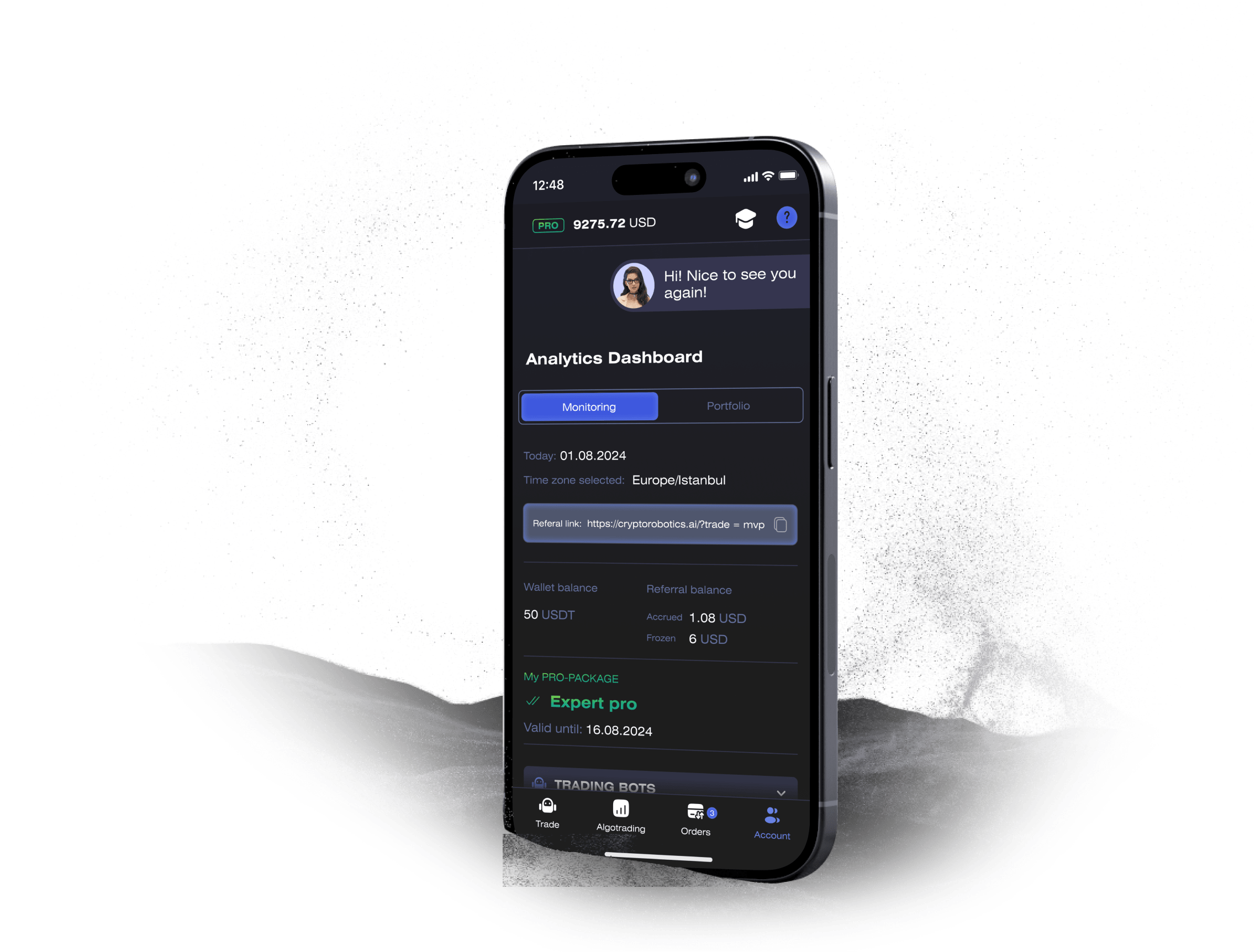
Access the full functionality of CryptoRobotics by downloading the trading app. This app allows you to manage and adjust your best directly from your smartphone or tablet.

News
See more