


Published: February 14, 2026 at 1:27 am
Updated on February 14, 2026 at 1:27 am




In the fast-paced world of cryptocurrency, the tension between security and accessibility is palpable. Enter the three-party custody model—not just a minor evolution but a revolutionary leap forward reshaping how institutions engage with digital assets like Solana’s SOL. This sophisticated framework opens the door to lucrative staking rewards while adhering to the rigorous standards needed for qualified custody.
Imagine a collaboration where institutional investors, credible custodians, and lending platforms converge into a finely tuned ecosystem. This is the crux of the three-party custody model. It offers institutions the unprecedented ability to borrow against staked SOL, transforming a once-tedious balancing act of compliance and engagement into a streamlined process, thereby facilitating deeper participation in the DeFi landscape.
Championed by Anchorage Digital, Kamino, and the Solana Company, this model signifies more than operational upgrades; it embodies a seismic shift in asset management philosophy. With SOL firmly in the secure grip of qualified custody, generating staking rewards while simultaneously serving as collateral for on-chain loans transforms institutions into agile players where they once felt constrained.
At the core of this endeavor is the principle of qualified custody, an essential pillar that fosters institutional trust. This model not only ensures regulatory compliance but also unleashes the potential for asset productivity, creating a clear passage to on-chain liquidity without the usual compromises that have plagued financial maneuvers in the past.
The integration of automated collateral management controls within this custodial framework introduces a level of risk management previously unseen. Institutions can now rely on vigilant monitoring of loan-to-value ratios, automated margin calls with pinpoint accuracy, and rule-based liquidations that reinforce security while enhancing operational fluidity.
This model empowers institutions with unparalleled access to on-chain liquidity, all while maintaining steadfast custodial integrity. By leveraging Kamino’s lending markets, institutions can seamlessly engage with liquidity pools, ushering in a transformative chapter in institutional financing within the crypto realm.
The magnetic attraction of staking rewards has long been a draw for digital assets like SOL. Yet, with the introduction of the three-party custody model, institutions are liberated from the dilemma of choosing between rewards and liquidity access. This dual advantage is not just a minor enhancement; it is a catalyst for institutions to refine their strategic financial positions while boosting income generation potential.
We’re witnessing a turning point where institutions can choose security without sacrificing liquidity. This shift in cryptocurrency investment strategies signals a maturation of digital asset markets, fostering a landscape where sophisticated investment methodologies can thrive alongside established norms.
The groundbreaking collaboration among Anchorage Digital, Kamino, and Solana Company to create the three-party custody model represents a pivotal moment for institutional cryptocurrency engagement. This framework not only adheres to compliance and regulatory standards but also paves the way for innovative asset utilization, staking rewards, and enhanced liquidity access. As this model garners traction, it showcases the evolving sophistication of the cryptocurrency ecosystem, setting the stage for future advancements that meet the diverse needs of institutional players.
“Institutions are looking for the most effective sources of on-chain liquidity without compromising on custody or compliance,” said Nathan McCauley, CEO and Co-Founder of Anchorage Digital. This sentiment encapsulates the essence of the three-party custody model—offering a solution that enhances operational capacity without forcing forks in the road.
As we traverse this new landscape, it’s evident that institutional interactions with digital assets are now characterized by an intriguing blend of security, liquidity, and strategic financial maneuvers, heralding a vibrant future for the cryptocurrency ecosystem.
Egor Romanov is an experienced crypto analyst, professional trader, and author of trading strategies and the Cryptorobotics blog, where he shares his knowledge about cryptocurrencies and financial markets.
Alina Tukaeva is a leading expert in the field of cryptocurrencies and FinTech, with extensive experience in business development and project management. Alina is created a training course for beginners in cryptocurrency.
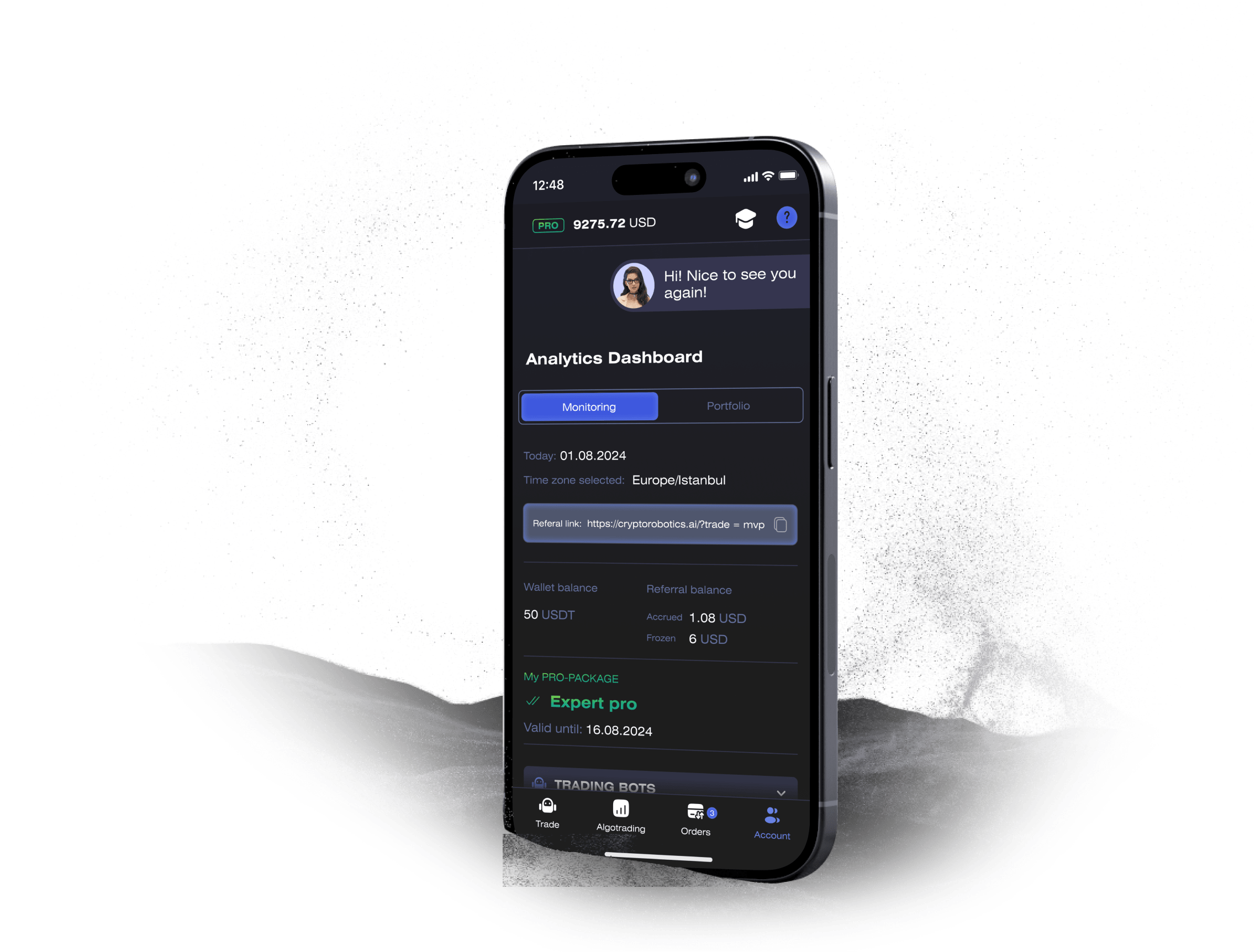
Access the full functionality of CryptoRobotics by downloading the trading app. This app allows you to manage and adjust your best directly from your smartphone or tablet.

Blog
See more