


Published: March 21, 2026 at 4:52 pm
Updated on March 21, 2026 at 4:52 pm




Picture this: a thrilling $11.8 million Ethereum heist unfolds, sending shockwaves through the decentralized finance (DeFi) arena, and yet, the villain walks away empty-handed. This is the paradox that lies at the heart of the UXLINK exploit, a cautionary tale brimming with paradox and intrigue. As the dust settles, we are left with a sobering reflection on the unpredictable dynamics of crypto liquidations, set against the backdrop of ever-shifting market conditions and glaring blockchain transparency. This incident is more than just a scandal; it’s a valuable lesson in the resilience of the DeFi landscape.
At the epicenter of this unfolding drama is the UXLINK protocol, a platform merging financial operations with Telegram integration. It became the target of one of DeFi’s most brazen hacks—an audacious attempt by the attacker to convert a windfall of Ethereum into stablecoins, particularly DAI, to shield the loot from erratic market movements. What played out was a complex interaction within the decentralized finance framework, highlighting the unpredictable nature of liquidation strategies when intertwined with crypto’s mercurial essence.
Unlike the typical narratives where nefarious actors walk away with bountiful fortunes, the UXLINK exploit tells a different story. Here, the attacker’s imagined riches vanish into thin air. A closer look reveals that the anticipated profits from their ETH liquidation were swallowed whole by losses in other assets, like Wrapped Bitcoin (WBTC). This incident shines a bright light on the delicate equilibrium within the world of arbitrage, where lightning-fast liquidations can yield surprising and often unfavorable results. The stark reality highlights the importance of utilizing elite crypto signals to navigate these treacherous waters effectively.
The hacker’s clever decision to adopt stablecoins as a safe haven for the ill-gotten gains reflects a keen awareness of the volatility that permeates cryptocurrency markets. Yet, this strategic choice embarks us on a broader conversation regarding miner extractable value (MEV) bots, which can disrupt the flow of tokens considerably post-exploit, outmaneuvering even the most astute attacker. In this game of high stakes and cutting-edge technology, the inherent transparency of blockchain proves to be a double-edged sword, influencing the trajectory of the exploit’s aftermath.
The UXLINK incident shines a spotlight on the vital role of blockchain transparency as a powerful ally in the battle against crypto theft. This defining characteristic of blockchain, combined with an increasing call for stringent protocol audits, is emerging as a critical shield against unauthorized intrusions. Furthermore, the exploit urges a vital reassessment of security measures, particularly concerning Telegram-adjacent finance platforms, which clearly present a landscape ripe for improvement and vigilant safeguards. As cryptocurrency evolves, it could benefit from enhanced crypto quality signals to enhance its robustness.
While the UXLINK exploit unearthed significant vulnerabilities, it simultaneously sparks a crucial dialogue about fortifying the security architecture of DeFi. For projects utilizing Telegram integration, this translates to not only ramping up protective measures but also delving deeply into advanced on-chain data analytics, comprehensive audit methodologies, and exploring options like a crypto leverage trading demo account. The underlying aspiration is straightforward: to diminish the chances of future breaches and ensure the security systems surrounding these platforms are robust and adaptive.
The saga of the UXLINK exploit, marked by the sobering twist of the hacker leaving with nothing, encapsulates the intricate interplay between the ingenuity of cybercriminals and the protective frameworks of DeFi. This incident serves as a stark reminder that in the tumultuous realm of cryptocurrencies, apparent victories can quickly morph into illusions, and the real triumph lies in the hard-earned lessons and subsequent advancements towards a more secure and transparent DeFi environment. Sharing insights and strategies via a crypto signals Telegram group link could further strengthen community resilience against similar exploits.
As we continue to navigate the promising yet perilous waters of Web3, the collective endeavor to raise security standards and harness the strengths of blockchain technology becomes essential. Each exploit and incident emphasizes the shared responsibility to uphold the sanctity of decentralized finance. For UXLINK and the broader DeFi community, the lessons drawn from these challenges will play a pivotal role in shaping a future where security and trust reign supreme.
Egor Romanov is an experienced crypto analyst, professional trader, and author of trading strategies and the Cryptorobotics blog, where he shares his knowledge about cryptocurrencies and financial markets.
Alina Tukaeva is a leading expert in the field of cryptocurrencies and FinTech, with extensive experience in business development and project management. Alina is created a training course for beginners in cryptocurrency.
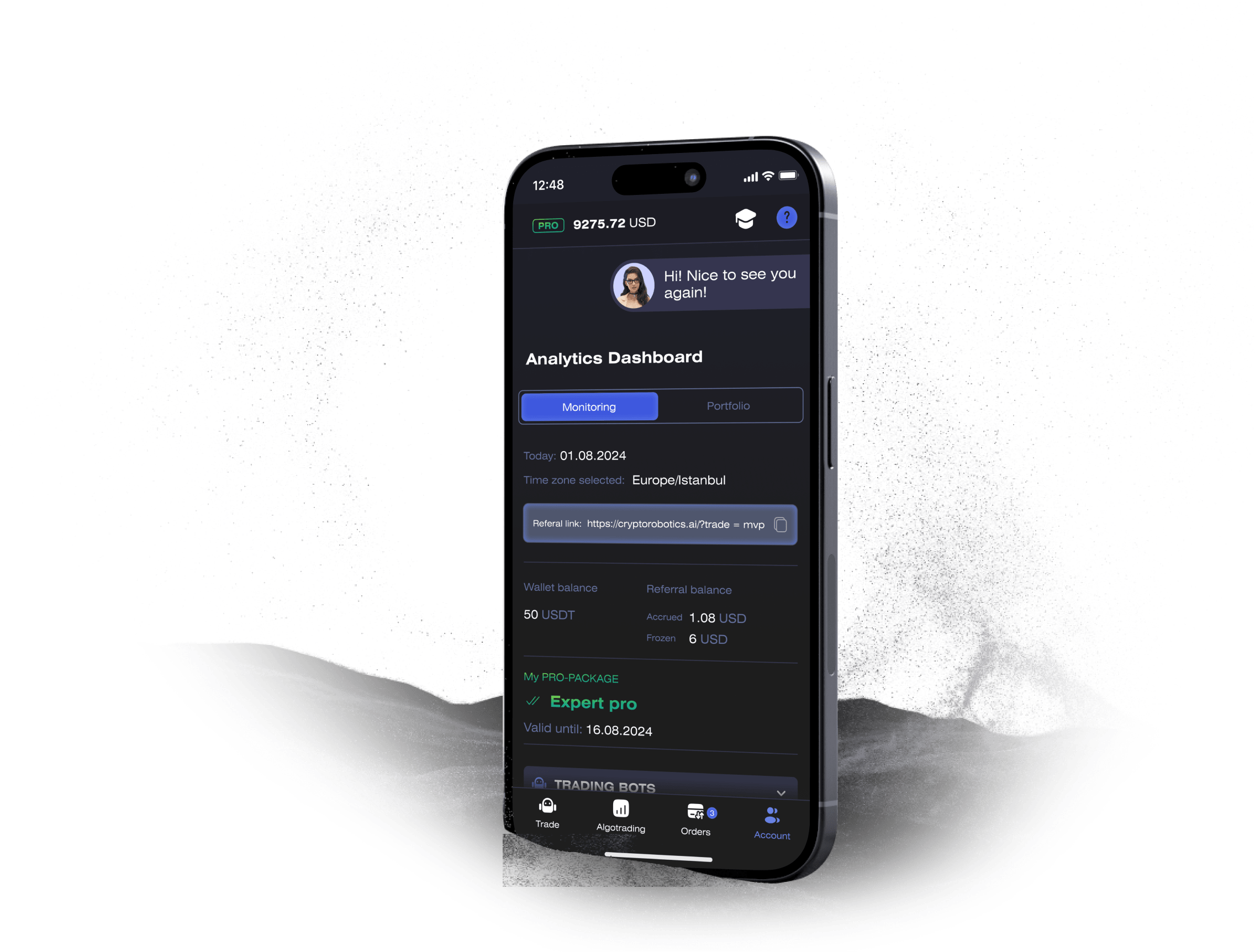
Access the full functionality of CryptoRobotics by downloading the trading app. This app allows you to manage and adjust your best directly from your smartphone or tablet.

Blog
See more