


Published: January 31, 2026 at 7:46 pm
Updated on January 31, 2026 at 7:46 pm




In a stunning display of regulatory muscle, the US Department of the Treasury’s Office of Foreign Assets Control (OFAC) has implemented sanctions against two cryptocurrency exchanges based in the UK. This bold maneuver has sparked intense discussions within the crypto community, illuminating the often murky relationship between digital currencies and international law.
The days of cryptocurrency operating in the shadows, flouting regulatory oversight, are officially over. The sanctions imposed on Zedcex Exchange Ltd. and Zedxion Exchange Ltd. signal a seismic shift. By unequivocally asserting that no corner of the cryptosphere is immune to the enforcement of international regulations, the OFAC has opened a Pandora’s box of compliance challenges—one that demands immediate attention from all players in the crypto market.
These exchanges were reportedly handling over $1 billion in transactions tied to the Islamic Revolutionary Guard Corps (IRGC), which has thrown the spotlight on an urgent concern: compliance in the digital financial realm. Such revelations are a wake-up call, highlighting the ongoing risks that come with leveraging decentralized finance. The call for robust know-your-customer (KYC) practices and vigilant monitoring of transactions has never been more critical.
In light of these developments, the role of stablecoins—particularly USDT operating on the TRON network—has come under scrutiny. Rather than simply being a means of stable value transfer, they now raise significant concerns about reliability and transparency amid geopolitical conflict. This situation begs for a deeper dive into blockchain analytics and its ethical implications, as stakeholders grapple with the complexities of compliance in a tech-driven economy.
The actions taken against Zedcex and Zedxion might just be the beginning of a broader strategy where digital asset exchanges are increasingly subjected to rigorous regulatory scrutiny. We stand on the brink of an era where financial penalties become a tool to thwart illicit activities within the crypto space, compelling companies to navigate a precarious balance between innovation and compliance.
Yet amid the swirling debates surrounding these sanctions, optimism persists for those in the tech and innovation sectors. The current landscape presents a clear opportunity for the development of decentralized trading solutions that respect regulatory requirements while upholding the principles of privacy and security. While some may ask, is selling crypto trading signals illegal? Blockchain technologists are now charged with the mission of finding pathways that harmonize the ideals of decentralization with the pressing needs of regulatory compliance.
The OFAC’s sanctions against Zedcex and Zedxion mark a revolutionary moment in the crypto landscape, aligning the pursuit of compliance with the realities of global politics. This juncture could very well redefine the boundaries between innovation and regulatory oversight, pushing the industry toward solutions that ensure both independence and accountability. As digital finance increasingly intertwines with international relations, the crypto community must rise to the occasion, advocating for a future where ethical finance flourishes without losing its core values of decentralization.
Egor Romanov is an experienced crypto analyst, professional trader, and author of trading strategies and the Cryptorobotics blog, where he shares his knowledge about cryptocurrencies and financial markets.
Alina Tukaeva is a leading expert in the field of cryptocurrencies and FinTech, with extensive experience in business development and project management. Alina is created a training course for beginners in cryptocurrency.
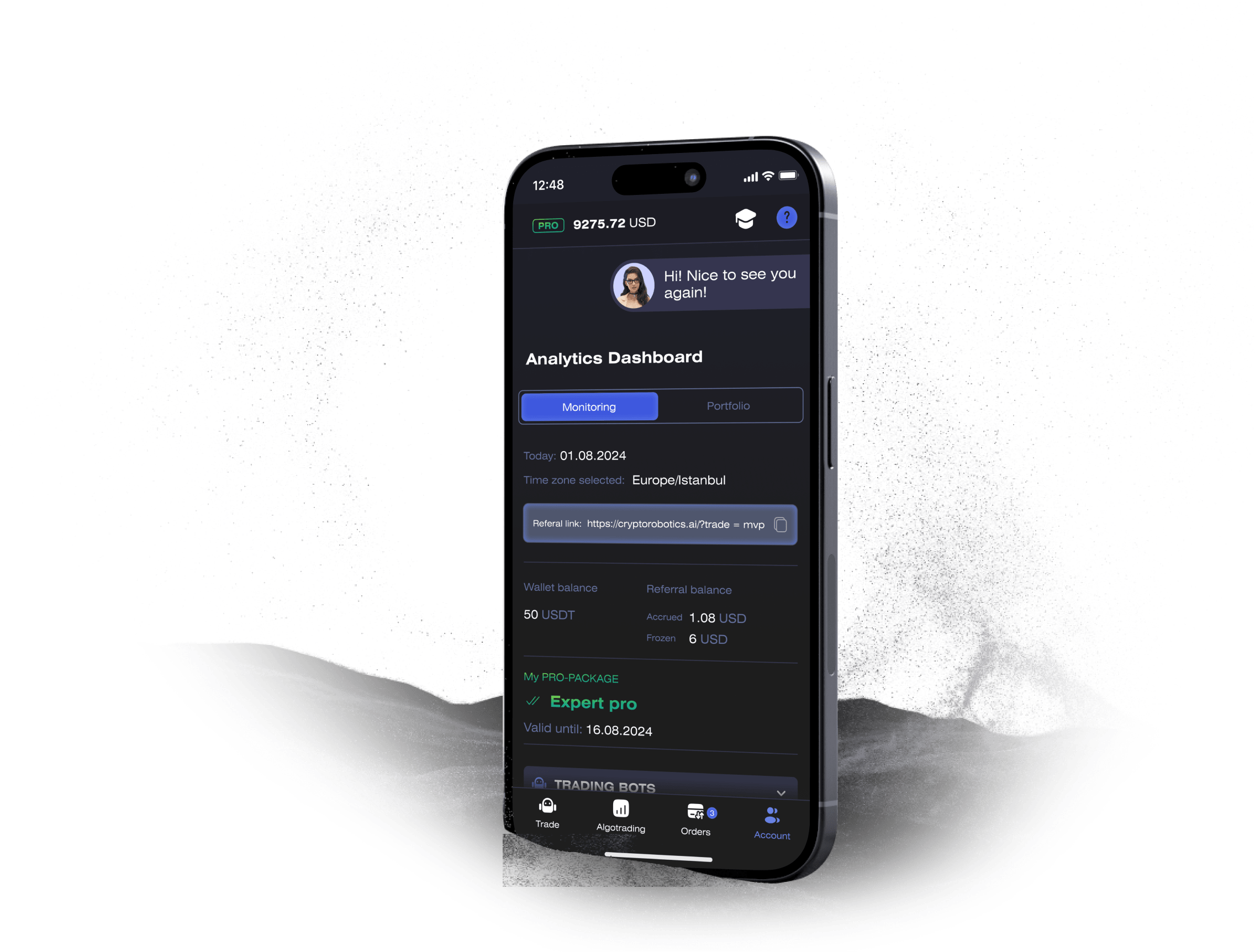
Access the full functionality of CryptoRobotics by downloading the trading app. This app allows you to manage and adjust your best directly from your smartphone or tablet.

News
See more



Blog
See more