


Published: January 26, 2026 at 6:54 am
Updated on January 26, 2026 at 6:54 am




What happens when a digital storm collides with a virtual fortress? South Korea’s recent court ruling regarding Upbit, the nation’s leading cryptocurrency exchange, serves as a dramatic testament to how legal frameworks are evolving to address the unique challenges of the digital finance world. In a time of national emergency, this landmark decision doesn’t just clarify responsibilities; it sets a new compass for navigating the turbulent waters of cryptocurrency trading during moments of crisis.
During a period of martial law, the pressure intensified on Upbit as trading volumes skyrocketed to levels that strained its operational capabilities. The Daejeon District Court’s determination to dismiss the lawsuit against Dunamu, Upbit’s parent company, draws a line in the sand regarding an exchange’s liability during exceptional circumstances. By recognizing the unique hurdles posed by force majeure events, the ruling presents a crucial distinction that acknowledges the inherent limitations faced by exchanges when external chaos reigns.
This ruling unearths a delicate balancing act: protecting users while also acknowledging the practical constraints that exchanges encounter during tumultuous times. Despite Upbit’s extensive measures to bolster its infrastructure—anticipating a trading volume that quadrupled its usual capacity—the unprecedented surge during martial law showcased the unpredictable nature of cryptocurrency trading. The lesson is stark: while superior technology is essential, it can never offer a blanket assurance against the seismic shocks of geopolitical instability. This reality echoes the challenges that many platforms for crypto trading face when confronted with extreme circumstances.
As South Korea fine-tunes its legal landscape regarding cryptocurrency, this ruling cements the notion that exchanges must uphold “reasonable security measures,” though perfection is, of course, unrealistic. This latest judgment builds upon previous legal precedents, differentiating between everyday operational standards and the extraordinary demands of national crises. It offers a clear legal framework that guides how exchanges operate, emphasizing the need for adaptability in a rapidly changing environment. Such frameworks are critical as countries look to define their best crypto exchange trading platform standards.
At the epicenter of this case is the undeniable power of force majeure clauses found in user agreements—a reality that has now received judicial validation. When users sign up for platforms like Upbit, they inherently consent to these terms that define the extent of the exchange’s liability in unforeseen situations. This revelation serves as a vital reminder for users to meticulously scrutinize the agreements they are entering into—understanding how these clauses can shift the framework of accountability during emergencies.
The implications of the Upbit ruling extend far beyond South Korea, offering pivotal lessons for regulators, exchanges, and users globally. As countries strive to clarify the duties of digital asset platforms, this decision injects fresh perspectives into the ongoing debate surrounding crypto regulation. By drawing a distinction between standard operational responsibilities and those complicated by national emergencies, the ruling stands as a model that jurisdictions around the world might adopt, striking a balance between user protection and the feasibility of exchanges amid chaos. Such lessons are equally crucial for the best crypto trading platform in South Africa and Bitget crypto trading platform overview discussions.
In summation, the Upbit ruling does more than influence South Korean crypto law; it heralds an emerging sophistication in the global approach to digital asset regulation. By clearly delineating the responsibilities of exchanges in both routine and extraordinary circumstances, it underscores the significance of transparent user agreements and robust operational frameworks. As the landscape of cryptocurrency continues to shift, this ruling plants the seeds of foundational principles guiding exchanges and their users through the complexities that lie ahead. In a world where unpredictability reigns, fostering preparedness, clarity, and legal awareness may be our most reliable navigational aids.
Egor Romanov is an experienced crypto analyst, professional trader, and author of trading strategies and the Cryptorobotics blog, where he shares his knowledge about cryptocurrencies and financial markets.
Alina Tukaeva is a leading expert in the field of cryptocurrencies and FinTech, with extensive experience in business development and project management. Alina is created a training course for beginners in cryptocurrency.
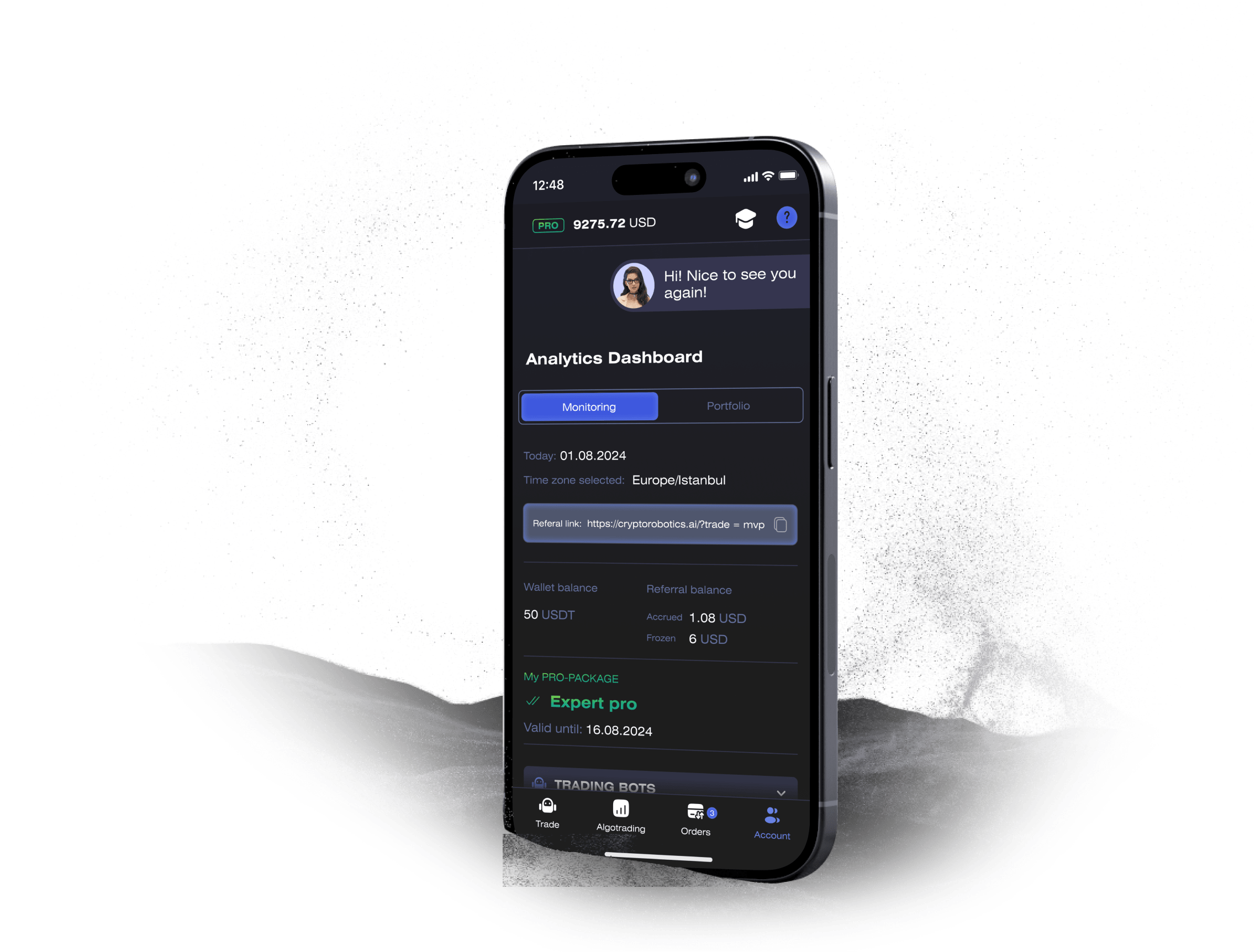
Access the full functionality of CryptoRobotics by downloading the trading app. This app allows you to manage and adjust your best directly from your smartphone or tablet.

News
See more



Blog
See more