


Published: December 12, 2025 at 6:45 am
Updated on December 12, 2025 at 6:45 am




Imagine a world where $32.2 million disappears in the blink of an eye, leaving chaos in its wake. That’s exactly what unfolded when the Upbit cryptocurrency exchange was hit by a well-executed heist. This was not your run-of-the-mill theft; it was a masterstroke of crypto laundering mechanics, foisting a sense of dread that rippled across the financial landscape. The hackers exploited Godex exchange Seychelles, a jurisdiction notorious for minimal oversight, effortlessly breaching the defenses of the digital currency realm.
Seychelles has emerged as an unlikely staging ground for this audacious act, enticing wrongdoers with robust privacy policies that resonate with those harboring sinister motives. Godex exchange thrives in obscurity, skirting the demands of KYC and AML regulations, creating fertile ground for an almost flawless crime spree. Here, legality twists and bends, enabling ill-gotten gains to evaporate into the void of cyberspace.
The timing of Binance’s attempt to freeze the pilfered assets highlighted a critical vulnerability in cross-exchange collaboration. We’re talking about hours lost during which the perpetrators maneuvered, further obscuring the stolen funds. This episode raises urgent questions regarding the crypto ecosystem’s capacity for swift, unified action against emerging threats.
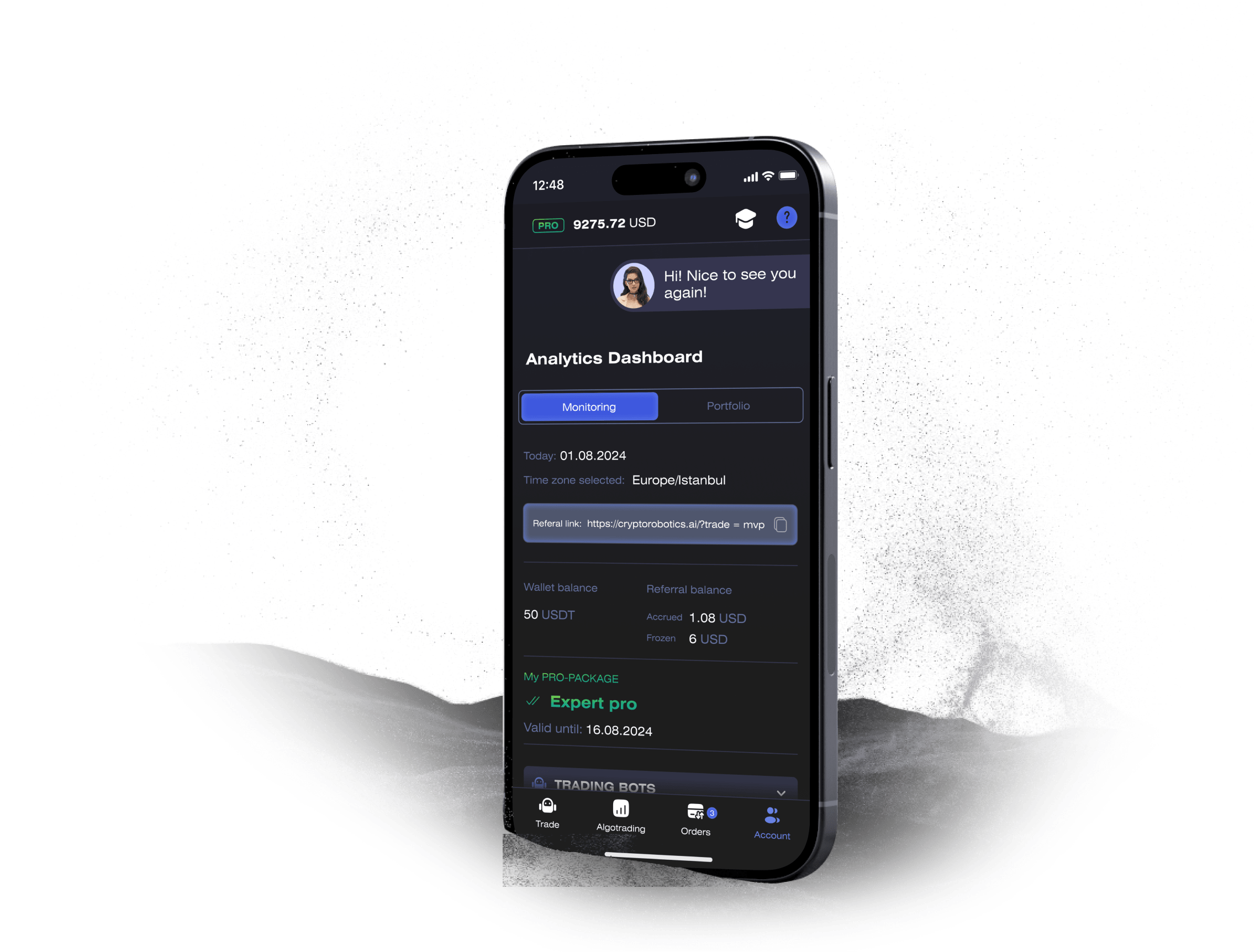
In today’s tech-driven era, AI trading bots could be our best defense against the encroaching tide of crypto crime. These digital watchdogs are capable of real-time monitoring on exchanges, quickly identifying irregular patterns that signal foul play. Adopting this preemptive strategy might drastically reduce the frequency of crypto theft incidents, ushering in a new chapter of enhanced security.
Emerging from the ashes of the Upbit debacle, South Korea is leading the charge with a set of stringent regulations aimed squarely at protecting cryptocurrency investors. By adopting standards akin to those used in traditional finance, South Korea is making a clear statement: investor protection must become paramount. This shift hints at a broader commitment to mitigating cryptocurrency security weaknesses, and it could serve as a template for others to follow.
The aftershocks from the Upbit heist have crystallized a fundamental reality—cryptocurrency knows no borders. Thus, the clarion call for international crypto regulation has ascended to a deafening pitch. The pressing need for cohesive security frameworks and enhanced communication channels to counteract financial obfuscation tactics has never been clearer.
The Upbit theft stands as a stark reminder: the cryptocurrency sector must innovate or risk obsolescence. This advancement hinges on establishing a resilient security architecture, bolstered by AI technology and rigorous KYC and AML practices. It is only through collective resolve and a commitment to clarity and transparency that we can aspire to restore, and ultimately secure, the trust of investors worldwide.
The shadow cast by the Upbit hack is profound, underscoring the pervasive vulnerabilities that plague the crypto industry. The road ahead calls for diligence, innovation, and perhaps most importantly, unity. By initiating a transformative journey towards regulatory and technological advancements, the cryptocurrency community can pave the way for a secure future. Let this incident not merely serve as a warning, but rather as a motivation for change, guiding us toward a realm where security and trust are the cornerstones of this burgeoning domain. In our quest for a resilient crypto ecosystem, constant vigilance and collective collaboration will be our strongest allies.
Egor Romanov is an experienced crypto analyst, professional trader, and author of trading strategies and the Cryptorobotics blog, where he shares his knowledge about cryptocurrencies and financial markets.
Alina Tukaeva is a leading expert in the field of cryptocurrencies and FinTech, with extensive experience in business development and project management. Alina is created a training course for beginners in cryptocurrency.
Access the full functionality of CryptoRobotics by downloading the trading app. This app allows you to manage and adjust your best directly from your smartphone or tablet.

News
See more