

Published: July 11, 2025 at 1:50 am
Updated on July 11, 2025 at 1:50 am




A Fresh Entry Point for New Investors
What if entering the world of cryptocurrency didn’t require deep pockets or years of experience? Robinhood is making waves with its groundbreaking introduction of Ethereum and Solana staking services where you can kick off your journey for just $1. In a market notoriously characterized by high barriers and daunting complexities, this initiative aims to democratize a space that has often felt reserved for the elite. As interest in crypto grows, fueled by discussions on platforms like Reddit, Robinhood’s initiative symbolizes not just a financial service but a reimagining of who gets to participate in the blockchain revolution.
Robinhood’s approach to pooling Ethereum holdings for staking may seem revolutionary, yet it stirs an important conversation about the nature of control in this decentralized landscape. Offering entry-level staking is enticing; it lowers the threshold for participation, allowing everyday investors to engage. However, this raises questions about the implications of centralized validator power. How do we reconcile the ease of access with the ethical tenet of decentralization that blockchain upholds? As the allure of staking rewards pulls in the curious, a balance must be struck.
Robinhood is stepping into choppy waters when it comes to U.S. cryptocurrency regulations. The nuances of compliance present significant hurdles, especially evident in the limited availability of staking services across various states. This disparity underscores a broader issue: the fragmented regulatory environment that challenges not only Robinhood but the entire crypto sector striving for progress. The tension between innovative finance and regulatory constraints encapsulates a vital struggle—how to nurture opportunities without stifling their growth potential.
With Robinhood rolling out its staking services, observers are keenly aware of how this move could elegantly bend the trajectory of both Solana and Ethereum. Ethereum, with its firmly established position in the DeFi landscape, may exhibit a more pronounced response, while Solana’s growth appears cautious and less predictable. For investors, this is a moment to engage with the emerging narratives shaping their portfolios, as Robinhood’s foray into staking could redefine perceptions on both platforms.
As the landscape of decentralized finance expands, Robinhood’s accessible staking services are part of a larger evolutionary chart. The entrepreneurial spirit driving innovations in this field indicates a profound transformation in how we understand cryptocurrency trading and investment. The influx of user-friendly tools and low-entry thresholds promises to open doors that were previously barred to many, making it a leading contender for those seeking a free crypto trading platform for beginners. Robinhood’s initiatives not only symbolize a shift in accessibility but also herald an era where financial literacy in crypto becomes commonplace.
Robinhood’s audacious leap into enabling Ethereum and Solana staking for just $1 represents far more than a simple business expansion; it marks a pivotal moment in the evolution of financial inclusivity within the crypto space. By tearing down the cost barriers and complexity traditionally associated with staking, Robinhood offers a pathway not only for seasoned investors but for neophytes eager to dip their toes into these digital waters. This bold stride could very well signal the dawn of a new age in finance, where accessibility reigns, and every aspiring investor finds their place in the evolving tapestry of decentralized markets. The tension between innovation and inclusion will undoubtedly shape the future of cryptocurrency investment, paving the way for a more democratized financial landscape.
Egor Romanov is an experienced crypto analyst, professional trader, and author of trading strategies and the Cryptorobotics blog, where he shares his knowledge about cryptocurrencies and financial markets.
Alina Tukaeva is a leading expert in the field of cryptocurrencies and FinTech, with extensive experience in business development and project management. Alina is created a training course for beginners in cryptocurrency.
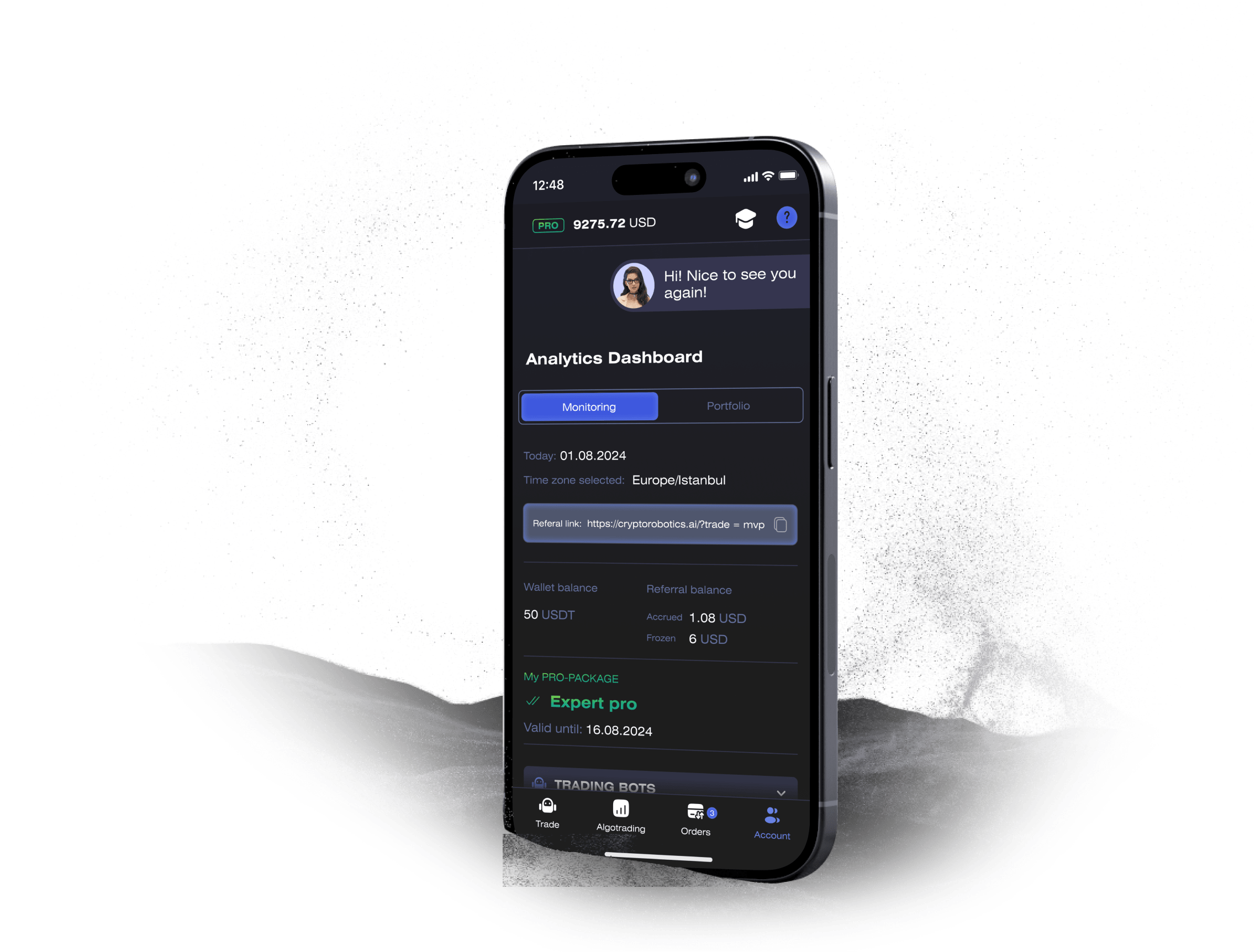
Access the full functionality of CryptoRobotics by downloading the trading app. This app allows you to manage and adjust your best directly from your smartphone or tablet.

News
See more



Blog
See more