


Published: August 08, 2025 at 5:45 pm
Updated on August 08, 2025 at 5:45 pm




In an eye-opening revelation that ripples through the cryptocurrency landscape, Paxos’s eye-watering $48.5 million settlement with the New York Department of Financial Services (NYDFS) serves as a stark alarm bell for anyone daring to tread these digital waters. This hefty price tag is not just a slap on the wrist; it broadcasts a crucial message: the maze of financial regulations today demands not just adherence but aggressive strategies to combat compliance pitfalls.
The fallout from the Paxos-NYDFS debacle underscores a sobering reality for the crypto industry: the risks associated with regulatory non-compliance stick as aggressively as a burr to your pants leg. Consider the takeaways:
For those in the cryptocurrency sector aiming to dodge the pitfalls of non-compliance, the lessons distilled from the Paxos saga present crucial strategies:
A resilient anti-money laundering strategy isn’t just recommended; it’s imperative. Crypto entities must update their operating procedures constantly, preparing themselves to counter emerging threats and shifts in regulations.
Paxos’s predicament shines a glaring light on the necessity of rigorous partner evaluations. Surface-level checks won’t suffice; firms need to dive deeper to uncover and mitigate compliance threats long before they escalate.
With the power of technology at our disposal, incorporating AI and machine learning into anti-money laundering and know-your-customer operations can bolster efforts markedly. These tools are game-changers in monitoring transactions and catching anomalies, essential for legitimate crypto trading bots.
To stay ahead of illicit activities, an advanced transaction monitoring framework is non-negotiable. Consistent improvement is essential to adapt to the ever-evolving landscape of money laundering tactics and suspicious behavior.
Encouraging a culture rich in compliance awareness across all employees seems trivial but can be transformative. Engaging team members through regular training and clear internal policies embeds compliance into the core of the company ethos.
The complex relationship between Paxos and Binance lays bare the fine line companies must walk between ambition and compliance. Companies venturing to expand their networks need to conduct exhaustive risk assessments, especially when collaborating with platforms operating under varied regulatory jurisdictions.
Navigating this delicate tango isn’t merely about avoiding fines; it’s crucial for maintaining brand integrity and building customer trust. In a landscape where regulatory bodies like the NYDFS are closely monitoring activities, any misstep in compliance can result in significant operational disruptions and financial consequences.
Paxos’s hefty settlement serves as an unambiguous reminder of the pivotal role compliance vigilance plays within the cryptocurrency domain. As regulatory scrutiny intensifies and the landscape continually shifts, investing in comprehensive compliance frameworks becomes not just advisable, but essential. Crypto firms must prioritize robust anti-money laundering structures, enhance due diligence efforts, embrace innovative technologies, and foster a culture driven by compliance while keeping an eye on crypto quality signals.
The Paxos experience highlights an undeniable truth: in the dynamic world of digital assets, proactive compliance isn’t merely beneficial; it is vital for sustainable growth and long-term viability. With the spotlight of regulatory authorities shining ever brighter, making compliance a priority is imperative for ensuring operations are legal, profitable, and ultimately resilient.
Egor Romanov is an experienced crypto analyst, professional trader, and author of trading strategies and the Cryptorobotics blog, where he shares his knowledge about cryptocurrencies and financial markets.
Alina Tukaeva is a leading expert in the field of cryptocurrencies and FinTech, with extensive experience in business development and project management. Alina is created a training course for beginners in cryptocurrency.
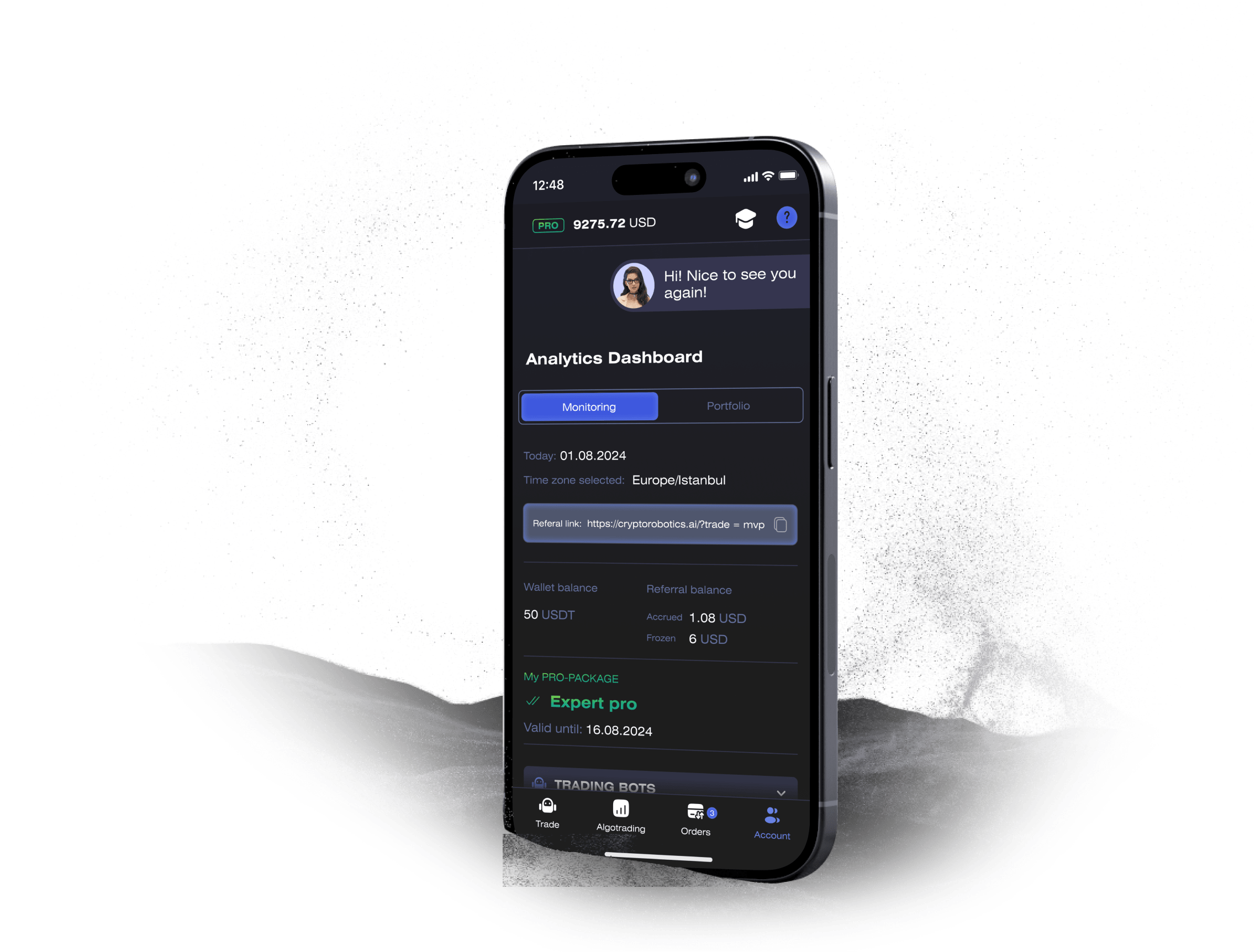
Access the full functionality of CryptoRobotics by downloading the trading app. This app allows you to manage and adjust your best directly from your smartphone or tablet.

News
See more



Blog
See more