

Published: November 11, 2025 at 7:37 am
Updated on November 11, 2025 at 7:37 am




What if a shift in regulatory atmosphere could breathe new life into crypto investments? The IRS has just delivered that very promise by green-lighting an era where crypto investment trusts can step boldly into the realm of staking. This pivotal clarification not only propels the U.S. into direct competition with European financial innovators, but also fosters a renaissance in digital asset regulation. As these guidelines unfold, they set the stage for an investment landscape brimming with opportunities for advancement and exploration.
Let’s talk ramifications. The IRS’s recent clarification concerning ETFs staking rewards signifies far more than routine regulatory paperwork—it’s the dawn of a transformative era for financial giants eager to navigate the digital currency maze. By weaving crypto exchange-traded products (ETPs) into the fabric of the staking landscape, monumental prospects emerge, not just for these institutions but for the investors they champion. This initiative underscores America’s renewed commitment to maintaining its status as a front-runner in blockchain technology.
In a commanding display of support, Treasury Secretary Scott Bessent’s advocacy for stable crypto ETPs to explore staking marks a critical juncture for institutional awareness of staking. His vision, steeped in a government-backed approach to blockchain and digital assets, foreshadows a new wave of participation from titans like BlackRock and Fidelity. Together, they could usher in a new era of network decentralization in crypto, enhancing liquidity and breadth across financial markets.
As regulatory clouds begin to clear, an unmistakable surge towards staking takes hold, with Ethereum staking and various Proof-of-Stake (PoS) assets leading the charge. This movement is about more than just enhanced financial returns; it is a fundamental shift poised to transform our perceptions of network decentralization and the integrity of blockchain security. We’re not just witnessing a trend—it’s a renaissance for digital asset innovation.
However, the rise of institutional advances in crypto staking isn’t without its critics. While there’s undeniable merit in the influx of liquidity and broadened market engagement, a crucial dialogue arises: does institutional dominance risk overwhelming the decentralized ethos of blockchain? This evolution challenges us to confront an important paradox—can the allure of institutional prowess coexist harmoniously with the core principles of decentralization?
Looking ahead, the emergence of AI-powered automated staking strategies represents an electrifying glimpse into what may come from clearer crypto regulatory environments. The possible gains in efficiency and adherence to compliance are thrilling but remind us of an essential responsibility—maintaining the soul of decentralization against the tide of automation. The challenge is balancing the advancement of innovation while upholding the foundational tenets that define blockchain technology.
The IRS’s endorsement of staking in regulated crypto investment trusts signifies the initiation of a vibrant chapter teeming with potential in the crypto domain. As we collectively navigate this evolving narrative, the call to action is clear: we must not only champion the advancements these regulations herald but also vigilantly guard the principles of decentralization and security that are intrinsic to blockchain technology. The journey ahead promises to be both exhilarating and complex, rich with both hurdles and victories as we explore the synergistic blend of traditional finance and the groundbreaking capabilities of digital assets.
Egor Romanov is an experienced crypto analyst, professional trader, and author of trading strategies and the Cryptorobotics blog, where he shares his knowledge about cryptocurrencies and financial markets.
Alina Tukaeva is a leading expert in the field of cryptocurrencies and FinTech, with extensive experience in business development and project management. Alina is created a training course for beginners in cryptocurrency.
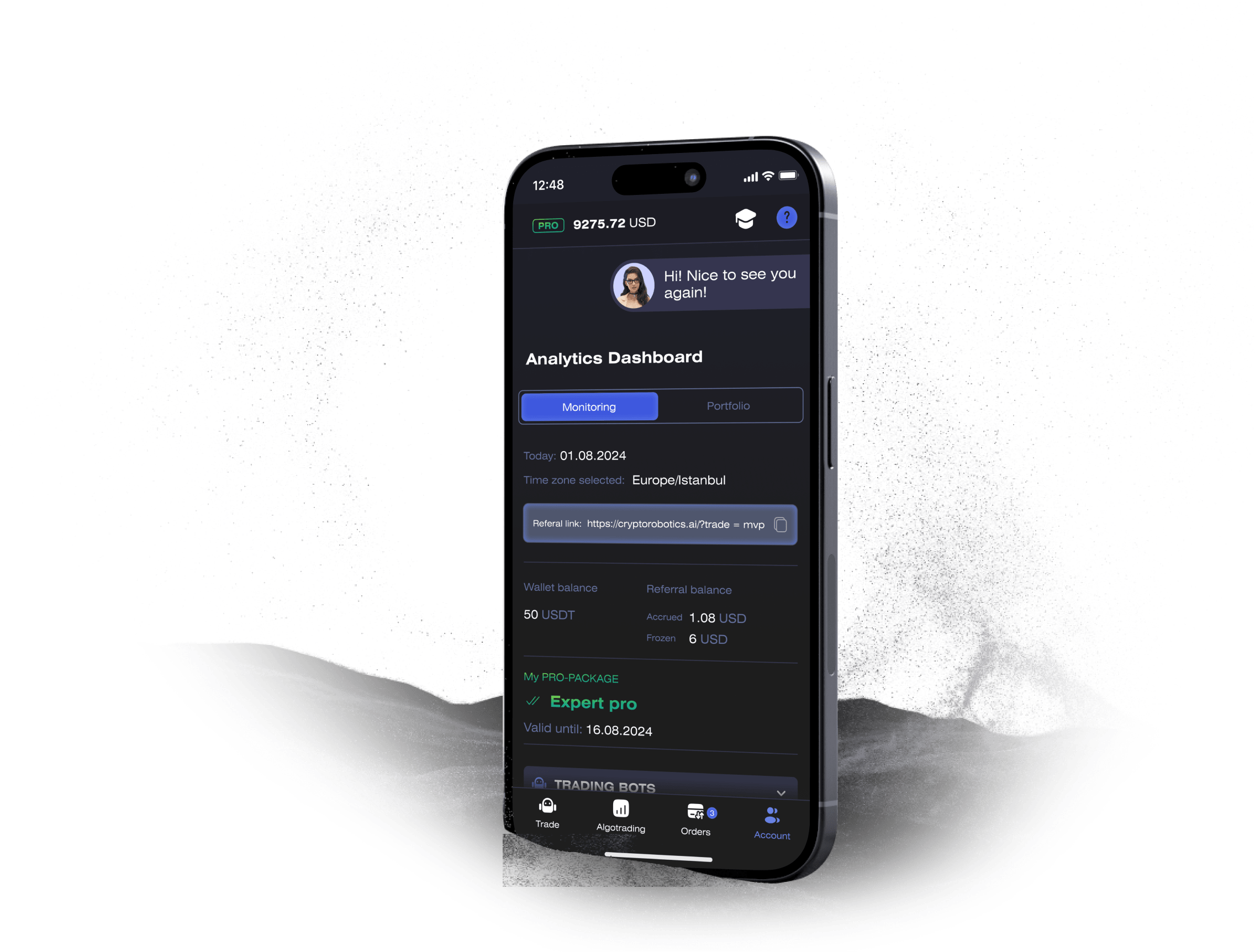
Access the full functionality of CryptoRobotics by downloading the trading app. This app allows you to manage and adjust your best directly from your smartphone or tablet.

News
See more



Blog
See more