

Published: April 02, 2026 at 9:27 am
Updated on April 02, 2026 at 9:27 am




April 1, 2026 will be etched in the annals of cryptocurrency history not as an ordinary day, but as the moment the Drift Protocol was rocked by a staggering exploit. This decentralized exchange, tethered to the Solana blockchain, fell victim to a nefarious operation that absconded with a jaw-dropping $270 million in assets, funneled into a wallet that bears the rather unremarkable name “HkGz4K.” As analysts poured over the trail of this stolen wealth, it became a chilling exposé into the underbelly of decentralized finance (DeFi), exposing not only the audacity of its perpetrators but also the glaring weaknesses that lie hidden beneath the surface of this rapidly evolving landscape.
What sent ripples of unease through the crypto community was the exploiter’s alarming strategy: they consolidated their looted treasures into Ethereum (ETH), amassing around 129,066 ETH, valued at nearly $267 million, following an intricate pattern of dubious transfers. Rather than distributing the spoils across a hodgepodge of cryptocurrencies, this singular focus on ETH raises pressing questions. Why this particular asset? Why opt for hoarding rather than selling off? Such maneuvers signal potential trouble for the Ethereum market, turning the spotlight on the lurking dangers that could await investors.
Central to this unfolding drama was the stablecoin USDC, which the attacker expertly employed as a bridge to Ethereum. By swapping stolen assets for USDC, the exploiter transformed their opaque loot into liquid capital, adeptly navigating the complex waters of cryptocurrency finance. This incident starkly highlights how even the most established tokens can fall prey to misuse, prompting a much-needed discourse on the regulatory challenges that surround stablecoins. The juxtaposition of USDC’s presumed reliability with its susceptibility to exploitation pinpoints an urgent need for enhanced scrutiny within the DeFi regulatory framework.
For the budding traders and new entrants in this financial space, the mechanics behind the Drift Protocol exploit lay bare a harsh truth: the DeFi realm is rife with peril. Unlike traditional financial systems, where rigorous safeguards reign supreme, DeFi exists in a nebulous regulatory void, creating a fertile ground for unscrupulous actors. The Drift incident serves as a vital warning—that due diligence is not just advisable but essential. Investors must prioritize platforms armed with rigorous security audits over the allure of exhilarating promises of quick returns and should consider utilizing crypto signals with stop loss tools to better manage their risks.
Surveillance of wallets such as HkGz4K will prove critical for predicting market ebbs and flows, particularly concerning Ethereum. Significant transactions emerging from this wallet—whether they be distributions, attempts to bridge funds, or exchanges—could unleash volatility rippling through the market. Savvy traders and analysts need to understand that the implications of these actions transcend individual token markets; they could reverberate throughout the entire DeFi ecosystem, impacting liquidity and the overall stability of the crypto landscape. Automated crypto signals might offer insights for traders looking to execute timely crypto take profit and stop loss crypto strategies amid this flux.
The fallout from the Drift Protocol incident underscores the relentless struggle for safety in the increasingly complex DeFi ecosystem. Automated trading bots, which offer cutting-edge strategies, must now synthesize real-time exploit detection measures to shield users from similar threats. If these bots can adapt to respond immediately to breaches like that seen in the Drift exploit, they will be central to safeguarding individual investments while bolstering the overall integrity of the ecosystem.
The Drift Protocol exploit stands as a stark emblem of the perils woven into the fabric of decentralized finance, particularly for inexperienced traders drawn in by its alluring prospects. The calculated accumulation of looted assets within Ethereum marks a worrying trend, while the crucial role of USDC raises significant concerns regarding stablecoin regulation. As the cryptosphere continues to evolve, maintaining vigilance and a strong grasp of security issues through reliable crypto signals will remain pivotal, not just for newcomers but even for seasoned investors.
In a volatile landscape where fortunes can shift in the blink of an eye, being informed isn’t merely advantageous—it’s vital. Stay aware, tread carefully, and always prioritize security in this thrilling yet treacherous financial arena.
Egor Romanov is an experienced crypto analyst, professional trader, and author of trading strategies and the Cryptorobotics blog, where he shares his knowledge about cryptocurrencies and financial markets.
Alina Tukaeva is a leading expert in the field of cryptocurrencies and FinTech, with extensive experience in business development and project management. Alina is created a training course for beginners in cryptocurrency.
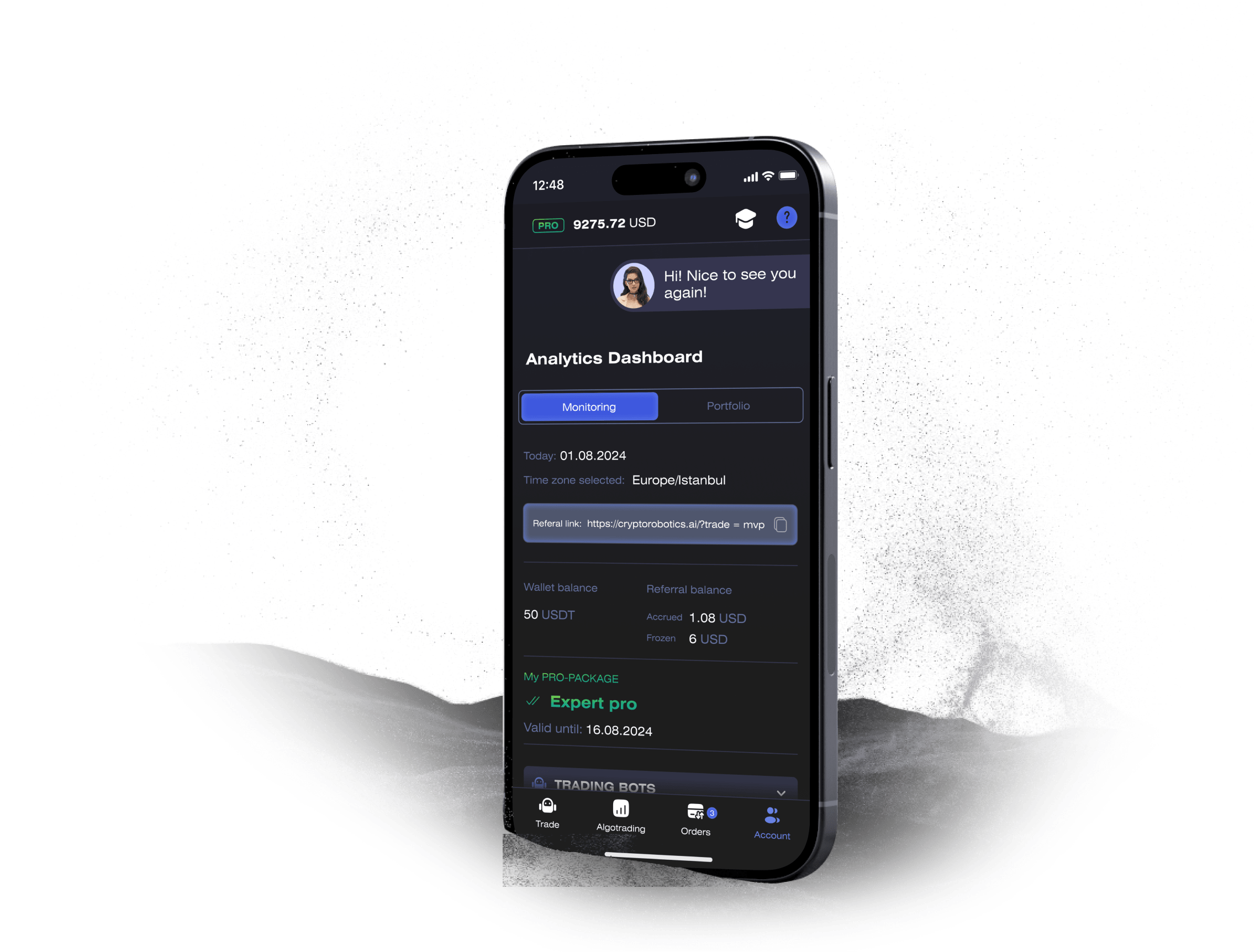
Access the full functionality of CryptoRobotics by downloading the trading app. This app allows you to manage and adjust your best directly from your smartphone or tablet.

News
See more



Blog
See more