

Published: April 03, 2026 at 4:33 am
Updated on April 03, 2026 at 4:33 am




A critical seismic event has rocked the decentralized finance (DeFi) realm—the Drift hack. This alarming breach, which has been tallied at an astonishing $285 million, raises profound questions regarding the structural integrity of the Solana ecosystem. As one of the largest cryptocurrency compromises of 2025, it shakes the very foundations of our understanding of decentralized finance security and exposes an urgent call for robust countermeasures.
The Drift hack serves as a glaring reminder of the inherent risks associated with protocol interdependence in blockchain infrastructures. When one protocol like Drift falters, the repercussions are far-reaching, impacting a plethora of connected platforms. This web of interactions creates a precarious environment—a single breach can trigger a domino effect, cascading vulnerabilities that leave multiple systems at risk. Users, often unaware, might unwittingly inherit these dangers, facing serious financial ramifications as multiple protocols unravel.
The ramifications of the Drift hack illuminate critical security shortcomings within the Solana ecosystem. Analysts swiftly pinpointed that vulnerabilities in smart contracts and the manipulation of price oracles played central roles in facilitating the attack. This interconnected disaster exemplified how an apparently isolated incident could prompt an expansive network to face dire financial turmoil, captivating the attention of the broader blockchain community.
In the wake of this unprecedented breach, various protocols scrambled to enact emergency responses aimed at curtailing the fallout. Many paused operations temporarily, undertaking rigorous security evaluations. The blockchain security sector mobilized rapidly, boosting monitoring frameworks and response protocols. Following this catastrophe, protocols swiftly adapted defenses, pinpointing dependencies and reassessing vulnerabilities—a clear indication of the critical need for proactive security measures in the DeFi landscape, including the use of crypto signal bots with risk management features to assist traders in navigating these risks.
The Drift incident is poised to catalyze a significant transformation in DeFi security norms. As the sector confronts the daunting reality that interconnected protocols can jeopardize the entire ecosystem, it will be propelled to develop more fortified security protocols, which will likely include:
Industry leaders have a profound responsibility to bolster security frameworks, focusing not merely on the safeguarding of individual protocols but on preserving the integrity of the ecosystem at large.
Perhaps the most striking lesson from the Drift hack is the urgent necessity for a resilient security architecture in the crypto domain. Experts contend that threats such as compromised administrative keys could pose even greater hazards than inherent flaws within smart contracts. This revelation calls for a deep dive into the intersection where social engineering meets technology, particularly for fledgling DeFi investors in regions like Latin America and Africa. The implementation of efficient crypto trade alerts could also provide users with timely information about market movements and risks.
In the immediate aftermath of the Drift hack, the cryptocurrency market demonstrated unexpected resilience. While the Solana token (SOL) took a hit, overall market indices managed to stabilize. Investors seemed to view the risks as localized to the affected protocols, yet discussions around new insurance options and compliance tactics are intensifying, including the potential for stop loss crypto strategies to minimize losses, marking a collective pursuit for recalibrated operational practices designed to elevate security throughout the industry.
The Drift hack marks an inflection point for DeFi security, laying bare the vulnerabilities festering within interconnected protocols. It serves as a clarion call for enhanced surveillance, comprehensive audits, and robust emergency protocols. As the Solana ecosystem—and the entire DeFi realm—digests the lessons of this exploit, we may be on the threshold of significant advancements in security practices that will help fortify against looming threats. This is not merely a wake-up call; it is a pivotal juncture in the evolution of security that the decentralized finance space desperately needs.
Egor Romanov is an experienced crypto analyst, professional trader, and author of trading strategies and the Cryptorobotics blog, where he shares his knowledge about cryptocurrencies and financial markets.
Alina Tukaeva is a leading expert in the field of cryptocurrencies and FinTech, with extensive experience in business development and project management. Alina is created a training course for beginners in cryptocurrency.
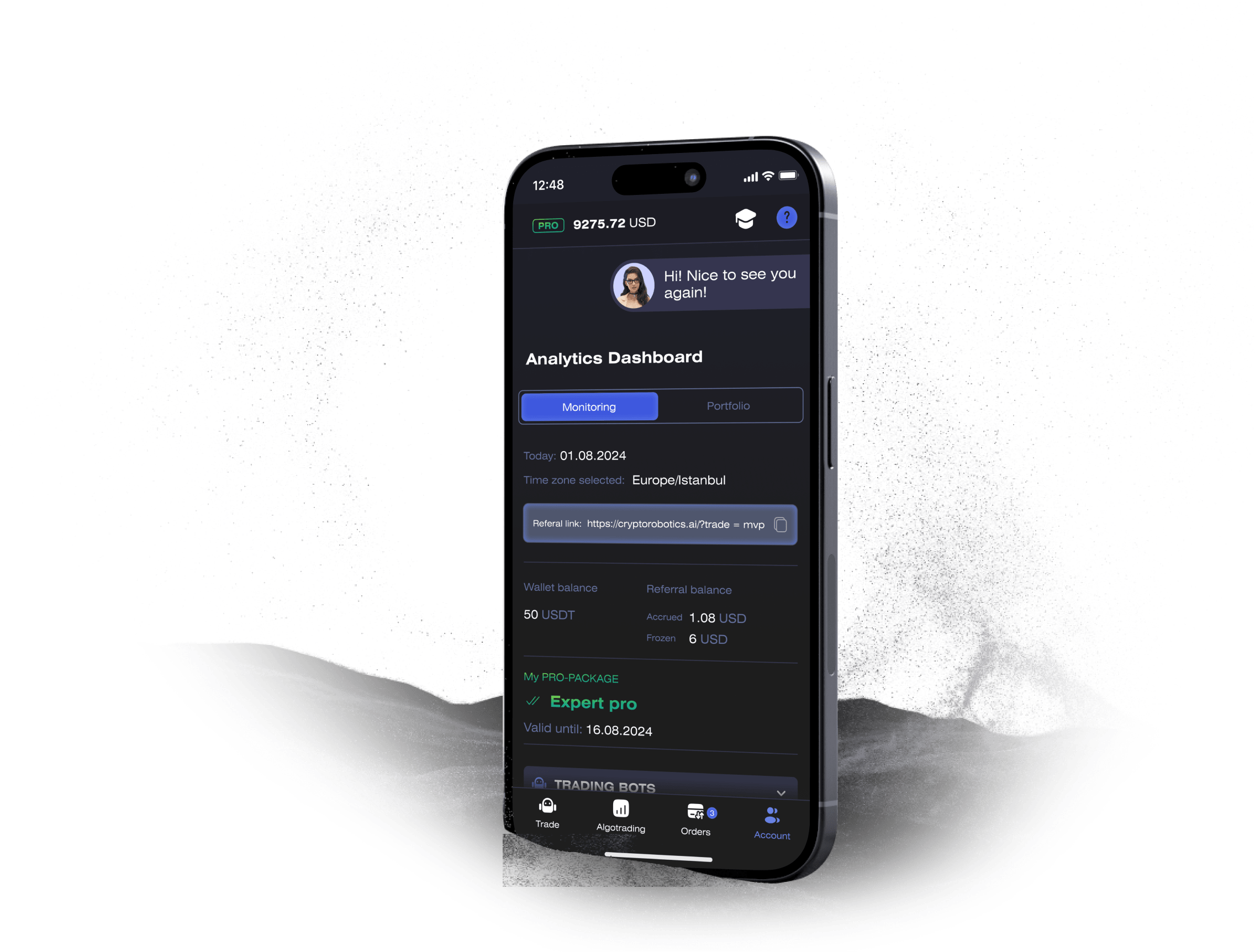
Access the full functionality of CryptoRobotics by downloading the trading app. This app allows you to manage and adjust your best directly from your smartphone or tablet.

News
See more



Blog
See more