


Published: May 25, 2025 at 3:17 am
Updated on August 15, 2025 at 2:31 pm



Wake up, crypto enthusiasts — a storm has hit the blockchain world, and it’s a tempest unlike any we’ve seen before. The Cetus Protocol hack was more than a shock; it was a clarion call, a staggering $223 million wake-up call that laid bare the vulnerabilities festering within decentralized finance (DeFi). This incident underscores a critical truth: safeguarding digital assets is paramount, and building robust cybersecurity measures is now more urgent than ever.
In the wake of this unprecedented breach, the Sui Network’s security team and validators sprang into action, quickly freezing assets to try to stem the tidal wave of losses. But the damage, as they say, was done. Trust in the CETUS token took a nosedive, highlighting just how crucial it is for DeFi ecosystems to adopt improved smart contract governance and adopt community-based solutions to weather such storms in the future.
The breathless oscillation of the cryptocurrency market met its match with the Cetus Protocol debacle. This breach starkly illustrated the precarious bond between revolutionary innovation and the pressing demand for impenetrable security as crypto continues to evolve. The subsequent plunge of CETUS and the accompanying drop in the value of Sui tokens peeled back layers to reveal the urgent implications on liquidity and operations across the Sui network’s major decentralized exchange (DEX).
Amid this chaos, Sui validators became unwilling actors in a high-stakes drama that exposed the complexities of decentralized governance. Their swift decision to freeze funds revealed the strength and agility of community-led responses. Yet, it also ignited discussions about the essence of decentralization itself, underscoring the need for transparent, consensus-oriented strategies when confronting high-stakes breaches like this one.
Yet, amidst the wreckage, there lies a glimmer of hope. The fallout from this catastrophe has shone a spotlight on the imperative of overhauling security protocols and embracing innovation within DeFi. The journey to fortifying platforms like Cetus Protocol against future breaches transcends simple fixes — it is an emblem of the industry’s resilience and a testament to its unyielding quest to harmonize security with user autonomy. With the integration of advanced AI and state-of-the-art cybersecurity measures on the horizon, a new era of protection for our digital assets may be within reach.
As the dust settles, the conversation extends beyond mere technical patches. It plants the seeds for a broader transformation in regulatory frameworks and the adoption of leading-edge technologies. A seasoned expert pointed out the alarming centralization implications arising from Sui validators’ freeze of $162 million, revealing stark deficiencies in decentralization within the network. Such revelations may prompt regulatory bodies to step up their game, advocating for stricter standards that could inspire greater trust and safeguard investors.
The Cetus Protocol incident marks a crucial inflection point for the crypto universe, emphasizing the urgent need for fortified security measures and accountable governance practices. As we look to the future, prioritizing stringent security protocols, fostering innovation, and cultivating community resilience will be imperative. The strength displayed in the aftermath of this crisis not only shapes the trajectory for Cetus Protocol but also paves the way for making decentralized finance a safer haven for all stakeholders.
Egor Romanov is an experienced crypto analyst, professional trader, and author of trading strategies and the Cryptorobotics blog, where he shares his knowledge about cryptocurrencies and financial markets.
Alina Tukaeva is a leading expert in the field of cryptocurrencies and FinTech, with extensive experience in business development and project management. Alina is created a training course for beginners in cryptocurrency.
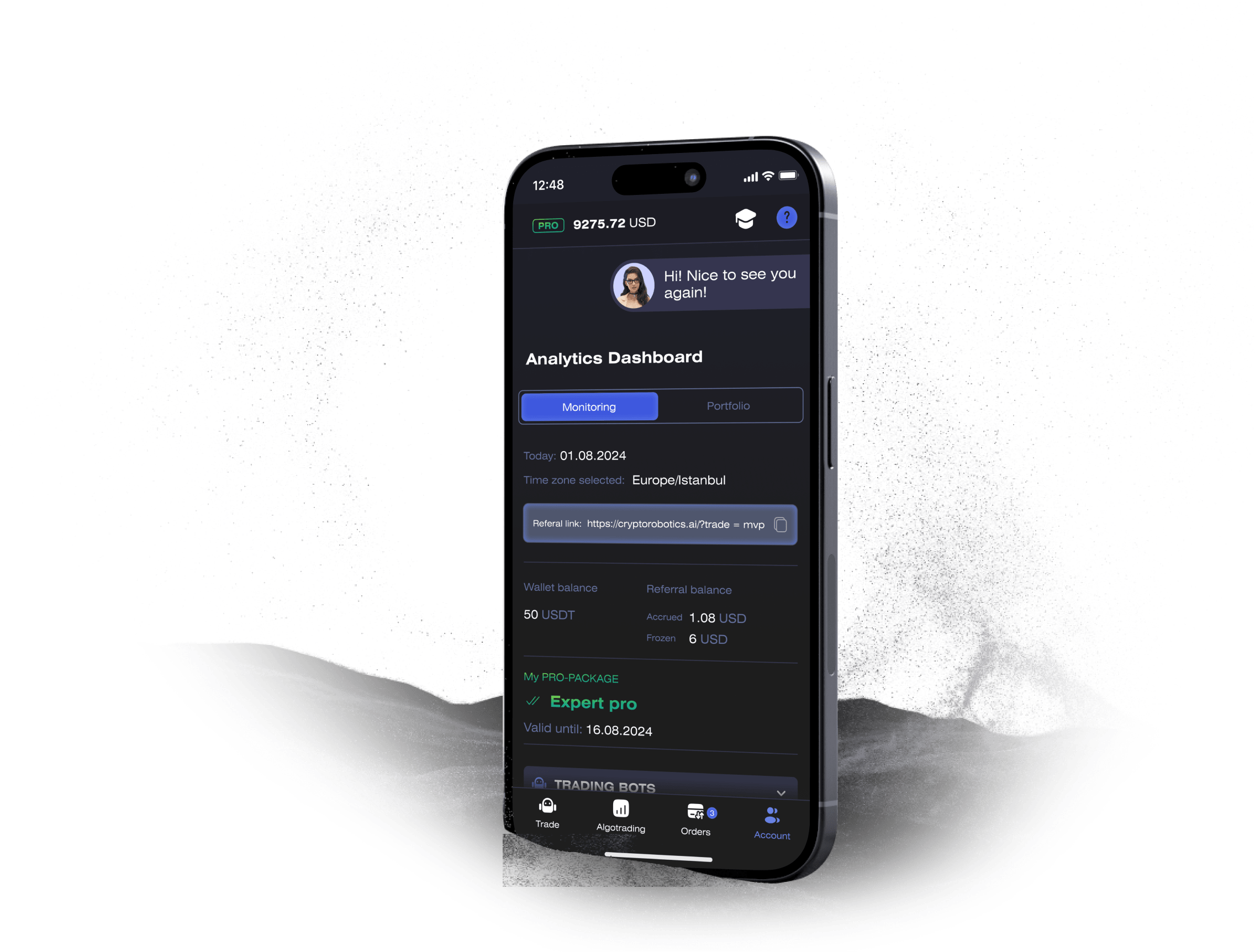
Access the full functionality of CryptoRobotics by downloading the trading app. This app allows you to manage and adjust your best directly from your smartphone or tablet.

News
See more