


Published: February 27, 2025 at 11:24 am
Updated on June 09, 2025 at 7:08 pm




In a world where crypto is king, trust is everything, especially after something as monumental as the $1.4 billion hack at Bybit. As the Bybit company aims for regulatory approval in the UAE, the question arises: can compliance really bolster user confidence? This post dives into how regulatory oversight impacts user trust, lessons learned from Bybit’s ordeal, and the security measures exchanges need to adopt to keep their users safe.
We know that cryptocurrency exchanges play a crucial role in the digital currency trading platform ecosystem. They facilitate buying, selling, and exchanging cryptocurrencies. But as the cryptocurrency exchange market grows, so does the need for regulatory compliance and security. Users want to be reassured that their investments are secure, especially after incidents like the hack at Bybit.
In February 2025, Bybit, one of the more renowned online crypto trading platforms, fell victim to a hack that cost them $1.4 billion. It’s a staggering figure, and it happened just days after Bybit received approval from the UAE’s Securities and Commodities Authority to operate as a virtual asset platform. The hack involved unauthorized transfers between Bybit’s cold and hot wallets, showing that even regulated exchanges can have vulnerabilities.
Ben Zhou, Bybit’s CEO, highlighted how regulatory compliance could help create a secure trading ecosystem. But the hack not only hit their finances hard; it also raised questions about user faith in their platform.
Does regulatory compliance really boost user trust in cryptocurrency exchanges? The answer appears to be yes. When exchanges follow regulations, they show they care about transparency and security. This is especially crucial after security breaches. Users are more likely to feel secure choosing a platform that’s under the watchful eye of regulators.
Bybit’s push for regulatory approval in places like the UAE, India, and Turkey reflects a growing trend in the cryptocurrency exchange market. Compliance can sway user confidence and stabilize the market.
The Bybit hack is a wake-up call for all cryptocurrency exchanges. After the breach, Bybit vowed to tighten its security protocols. Here are some key areas they targeted:
Private Key Management: Keeping private keys safe is a top priority. Exchanges must take steps to prevent unauthorized access.
Smart Contract Audits: Regular audits can reveal vulnerabilities, preventing future hacks.
Crisis Management and Communication: Transparency during crises is key. Bybit’s quick communication post-breach helped keep panic at bay.
Regulatory Compliance: Following KYC and AML guidelines is crucial for preventing illicit activities.
Bybit’s global footprint is expanding, including its return to India and compliance with European regulations. This is good for the market, but it does come with challenges. The issues Bybit faced in places like Malaysia remind us that remaining compliant with local regulations is crucial.
Ultimately, the intersection of regulatory compliance and security is vital for restoring user trust in cryptocurrency exchanges. Bybit’s story is a cautionary tale that emphasizes the need for transparency, effective communication, and adherence to regulations after security breaches. As the cryptocurrency exchange market continues to grow, building a trustworthy ecosystem will require ongoing dedication to security and compliance.
By taking these lessons to heart, cryptocurrency exchanges can find a way to balance innovation and security, offering users a safer trading experience.
Egor Romanov is an experienced crypto analyst, professional trader, and author of trading strategies and the Cryptorobotics blog, where he shares his knowledge about cryptocurrencies and financial markets.
Alina Tukaeva is a leading expert in the field of cryptocurrencies and FinTech, with extensive experience in business development and project management. Alina is created a training course for beginners in cryptocurrency.
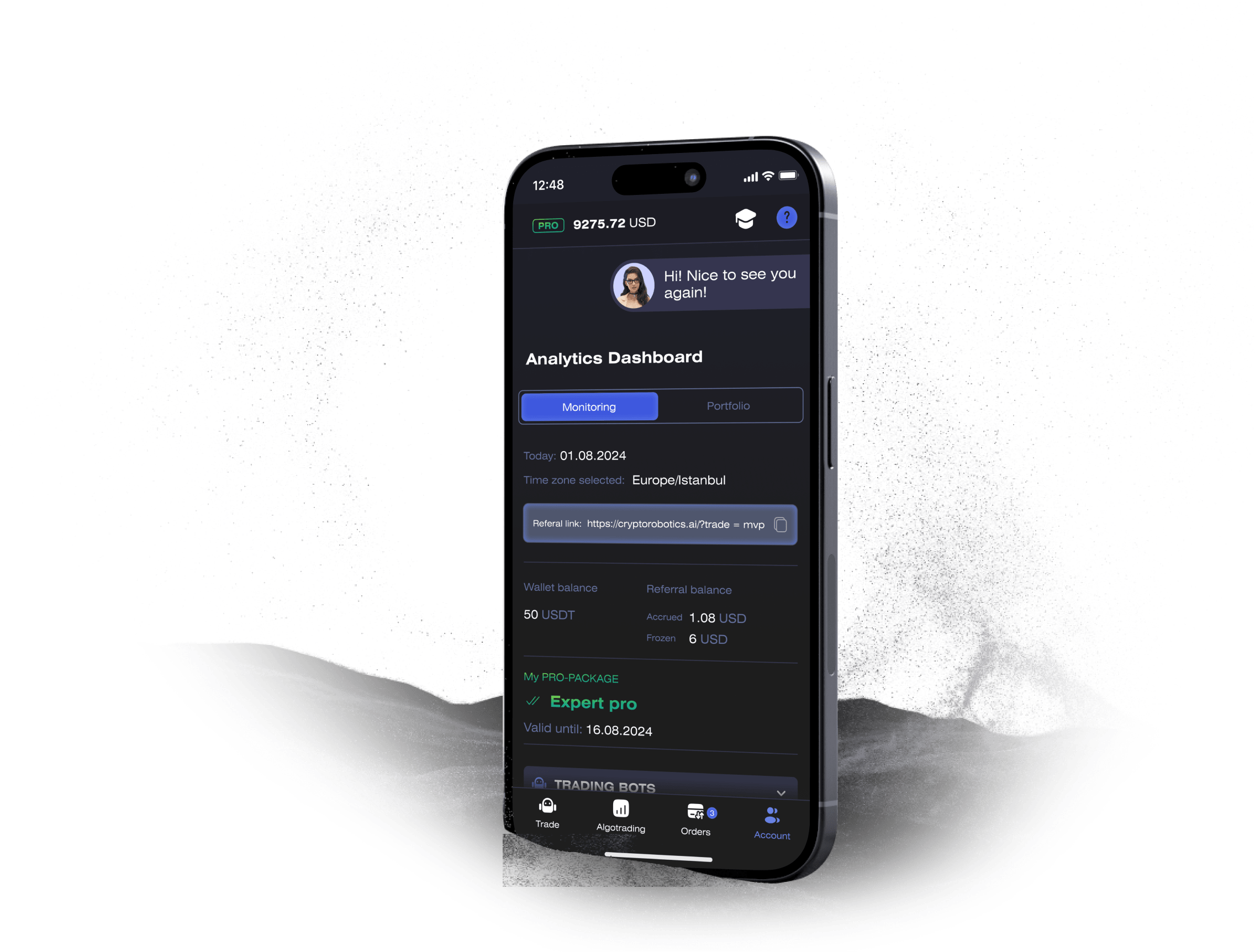
Access the full functionality of CryptoRobotics by downloading the trading app. This app allows you to manage and adjust your best directly from your smartphone or tablet.

News
See more



Blog
See more