

Published: May 04, 2025 at 3:59 pm
Updated on May 04, 2025 at 3:59 pm




In a world where digital currencies reign supreme, the unfolding drama between Star Xu, CEO of OKX, and the accusations from Justin Sun brings to the fore a story brimming with lessons on the fragility and strength within the cryptocurrency exchange landscape. This confrontation not only underscores the recent security breach at Tron DAO but also illuminates the precarious balancing act that exchanges and their users must perform as they fend off rampant cryptocurrency account hacks and exposure to deceitful schemes.
The breach in Tron DAO’s defenses rang alarm bells, signaling impending financial calamities for unsuspecting users. Justin Sun’s pointed allegations against OKX, accusing it of negligent responses to law enforcement inquiries, peel back the layers on a critical conversation regarding the effectiveness of incident response protocols following centralized breaches. This situation throws into stark relief the urgent need for exchanges to bolster their security frameworks, crafting systems that are agile and impregnable, thus ensuring consumer interests are impeccably safeguarded.
As we navigate the intricate waters of digital asset regulation, a new era looms on the horizon characterized by emerging frameworks such as the Markets in Crypto-Assets Regulation (MiCA) in the European Union and updated OCC guidelines in the United States. These advancements aim for a delicate equilibrium—fostering innovation while reigning in the unruly aspects of the cryptocurrency landscape. However, this regulatory evolution is fraught with its own set of complexities, including the tangled web of cross-jurisdictional challenges that complicate efforts for a cohesive regulatory framework across various territories.
Enter artificial intelligence, a promising ally in the relentless battle against cyber threats. By seamlessly integrating AI into their operational architecture, exchanges can elevate security measures beyond conventional norms, ushering in a proactive era of threat identification and immediate protective actions. Not only does this approach minimize the risk of human error, but it establishes a high standard for safeguarding user assets from the sophisticated tactics employed by hackers, including those from North Korea.
At the core of this tumultuous landscape lies an irrefutable mandate: robust consumer protection policies within the crypto sphere. The unsettling truths emerging from the Tron DAO incident illuminate the essential need for exchanges to transcend mere regulatory compliance, making consumer welfare a paramount objective. This shift toward greater transparency, accountability, and responsiveness could serve as a crucial turning point, fostering renewed trust and stability within the blockchain ecosystem.
The clash between OKX and Tron transcends a mere disagreement over operations; it serves as a clarion call for a unified and resilient front against the myriad of security threats that haunt the cryptocurrency universe. As this saga develops, it is vital for exchanges, regulatory bodies, and the wider community to collaborate more tightly, innovating with vigilance. The pursuit of a stable foundation for digital finance will undoubtedly hinge on the intersection of advanced AI integration and informed legislative frameworks. In this intricate dance, the bedrock principles of security, transparency, and compliance will serve as crucial guiding stars, steering the crypto realm toward a future built on trust and security. Ultimately, it is this steadfast commitment to safeguarding the digital asset environment that will pave the way for a resilient and flourishing market.
Egor Romanov is an experienced crypto analyst, professional trader, and author of trading strategies and the Cryptorobotics blog, where he shares his knowledge about cryptocurrencies and financial markets.
Alina Tukaeva is a leading expert in the field of cryptocurrencies and FinTech, with extensive experience in business development and project management. Alina is created a training course for beginners in cryptocurrency.
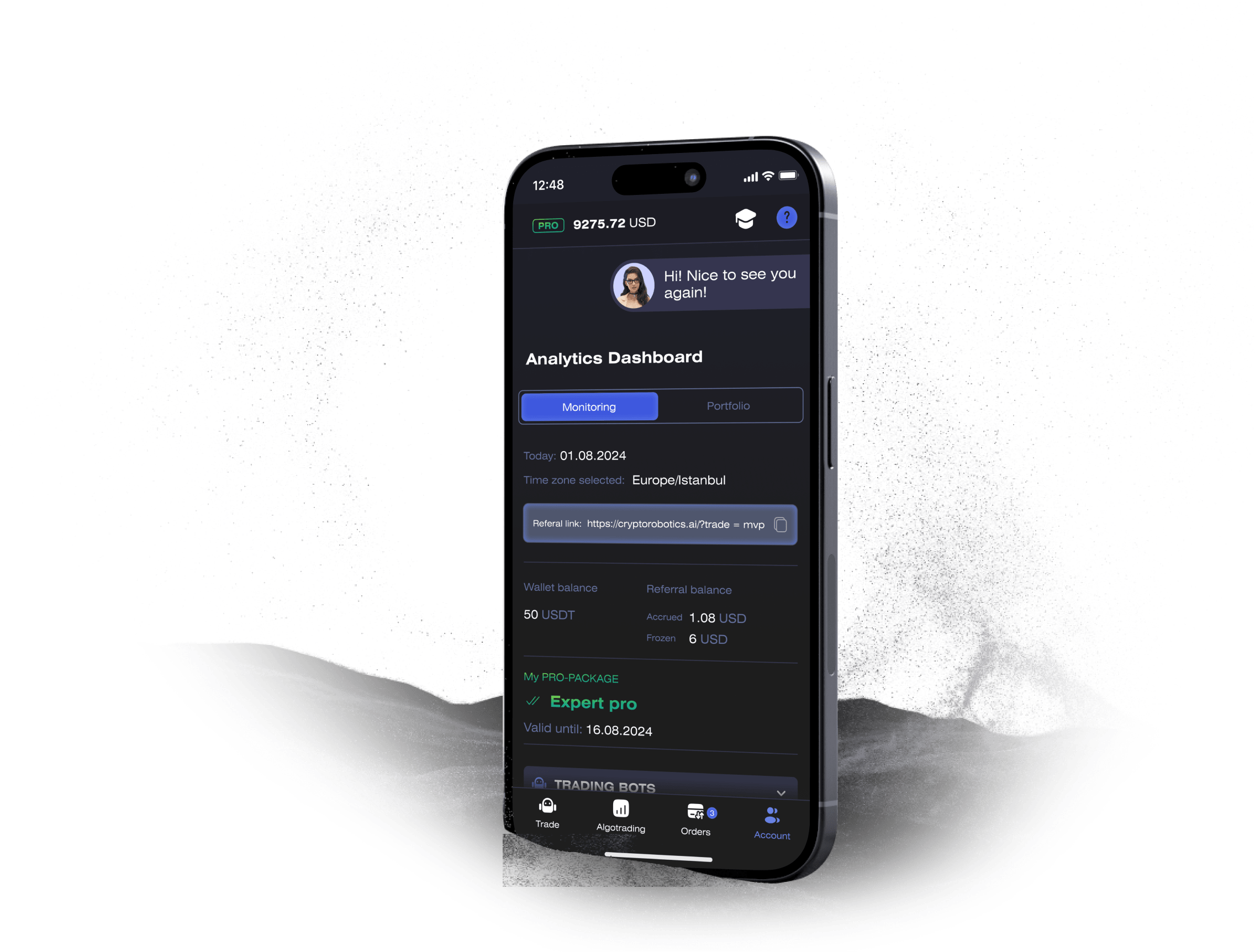
Access the full functionality of CryptoRobotics by downloading the trading app. This app allows you to manage and adjust your best directly from your smartphone or tablet.

News
See more


Blog
See more