

Published: May 17, 2025 at 9:27 am
Updated on August 15, 2025 at 2:25 pm




In the ever-evolving landscape of cryptocurrency, an unexpected alliance is brewing between Everstake and the U.S. Securities and Exchange Commission (SEC). This convergence promises to cast light on the murky waters of crypto staking, where today’s market, awash with upwards of $193 billion, is in dire need of solid regulatory scaffolding. As we grapple with a growing tide of investors seeking transparency, non-custodial staking—a framework that allows users to maintain unfettered control of their digital assets—stands at the epicenter of a legal reckoning.
At the heart of this debate lies non-custodial staking, a concept that has ignited passionate discussions among stakeholders. It defies traditional norms of securities transactions by granting users direct dominion over their assets. Everstake’s dialogue with the SEC has stirred the conversation, suggesting a radical rethinking: staking doesn’t fall under the banner of financing; it’s a mere technological process. Such assertions could transform the regulatory landscape of staking, instilling hope in developers and advocates of proof-of-stake networks, who fervently wish to protect the decentralized nature of blockchain technology.
In this intricate tapestry of regulations, the Howey test stands as a formidable benchmark for identifying “investment contracts,” hence marking the jurisdiction of securities. Everstake’s position—asserting that non-custodial staking fails to meet any criteria of this test—is compelling. It underscores the independence inherent in staking activities and the distribution of rewards, pushing the narrative toward a reevaluation of long-held interpretations related to managing digital assets, especially as they flow within the expanding domain of decentralized finance.
As discussions surrounding cryptocurrency regulations gain momentum, the importance of regulatory clarity in nurturing innovative decentralized functionalities becomes undeniable. The SEC’s cautious yet open dialogue with industry participants marks a significant exploration of the multifaceted dynamics of blockchain technology. The clarion call for more defined regulations transcends mere legal expediency; it represents a fierce defense of innovation against the constrictive chains of antiquated securities laws.
In a world where artificial intelligence (AI) is intertwining with cryptocurrency trading and asset management, we find ourselves on the cusp of a revolutionary shift. This fusion forecasts enhanced trading strategies and improved risk management, but it also raises profound inquiries about market stability and the ethical ramifications of machine-driven decisions. As regulators venture through the fluid landscape of digital assets, the intersection of AI and trading emerges as a critical chapter in the regulatory narrative.
The dialogue between Everstake and the SEC marks a pivotal moment for the cryptocurrency ecosystem, with implications reaching far beyond just staking. The urgent call for regulatory precision rings louder than ever, unlocking untold possibilities for blockchain technology. The challenge lies in reconciling the advancement of innovation with the protection of participants—a delicate dance that must acknowledge the idiosyncrasies of digital assets and the transformative pathways they offer. As we navigate this intersection of technological progress and regulatory evolution, we share a collective responsibility: to champion a future where clarity and innovation flourish together, serving both economic growth and the wider community.
Egor Romanov is an experienced crypto analyst, professional trader, and author of trading strategies and the Cryptorobotics blog, where he shares his knowledge about cryptocurrencies and financial markets.
Alina Tukaeva is a leading expert in the field of cryptocurrencies and FinTech, with extensive experience in business development and project management. Alina is created a training course for beginners in cryptocurrency.
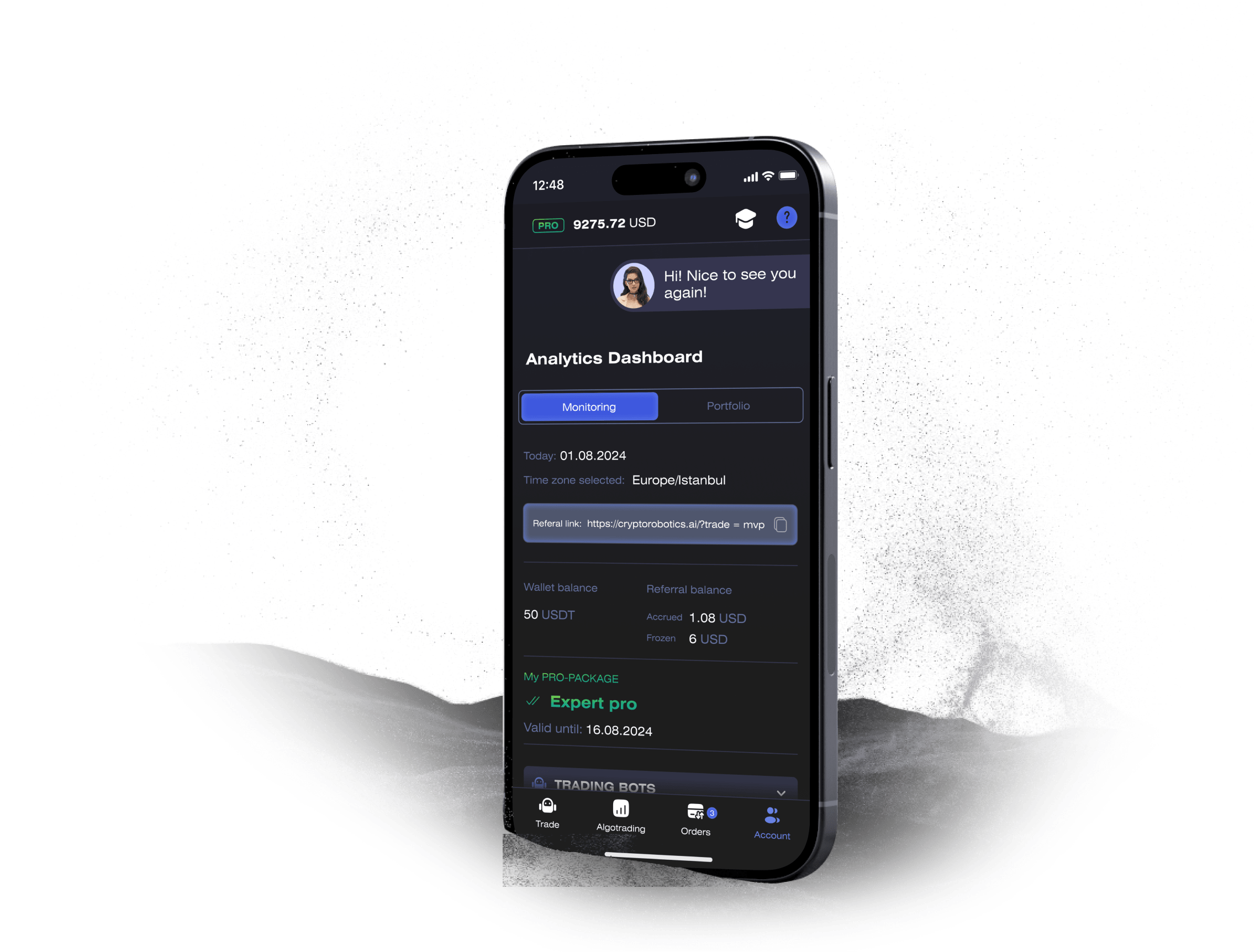
Access the full functionality of CryptoRobotics by downloading the trading app. This app allows you to manage and adjust your best directly from your smartphone or tablet.

News
See more



Blog
See more