


Published: January 15, 2026 at 1:11 pm
Updated on January 15, 2026 at 1:11 pm




Surprise! In a seismic shift that ripples through the tech regulatory waters, WhatsApp has just handed Brazil a golden ticket—an exemption from its sweeping worldwide ban on third-party AI chatbots. But this isn’t just a tactical retreat; it’s redefining what AI-driven trading can look like. Thanks to Brazil’s unwavering regulatory framework established by CADE, the balance of power between tech titans and national oversight is shifting, setting the stage for a new frontier in digital market dynamics.
Brazil’s victory against Meta is nothing short of monumental. By carving out a regulatory space for WhatsApp users, Brazil is not merely stopping a chatbot ban; it’s throwing down the gauntlet against the monopolistic tendencies that often overshadow market competition. This development signals an essential pressure point for tech giants, launching a clarion call for open, competitive digital ecosystems and paving the way for unfettered access to the innovative tools that AI trading promises.
Make no mistake—Brazil’s standoff with WhatsApp is about more than just chatbots; it’s igniting a spark that could resonate throughout the global tech landscape. This landmark ruling presents a compelling case for how national jurisdictions can challenge the status quo imposed by the behemoths of Silicon Valley. For the thriving AI chatbot sector, particularly in the high-stakes realm of trading, a monumental chance arises to democratize access to these cutting-edge tools via ubiquitous platforms like WhatsApp, such as day trading bot software that can enhance user experience.
In the wake of this bold policy shift, WhatsApp’s adaptation signals a wave of opportunity for thinkers, builders, and pioneers in crypto and AI trading. The integration of AI financial tools through the WhatsApp Business API could very well transform the trading experience, especially for novices navigating the complexities of financial markets from less accessible locales. Imagine a world where AI bot day trading becomes accessible and engaging, empowering a digitally savvy global populace to engage in the marketplace like never before.
Yet, this exemption isn’t just a local issue—it’s emblematic of the larger regulatory challenges tech giants face across the globe, including scrutiny from the European Union. WhatsApp’s commanding presence in Brazil, backed by its extensive user base, illustrates the significant impact that regulatory choices can have on tech companies’ strategies. For developers of AI chatbots and cryptocurrency trading platforms, comprehending this intricate regulatory landscape is vital for carving out a strategic position in the ever-evolving market, similar to the best automated trading platform in Australia.
As WhatsApp navigates these tumultuous regulatory waters, the implications for the AI chatbot ecosystem—particularly within crypto trading—become starkly clear. We may witness a pivot toward decentralized AI trading platforms, challenging the dominance of centralized exchanges, catalyzing further regulatory scrutiny, and encouraging an enriched and diversified AI trading market, much like the best algo trading platform in India.
WhatsApp’s proactive policy change in Brazil signals a crucial moment in the ongoing dialogue about digital markets and platform governance in our AI-driven reality. This landmark decision not only enhances consumer access to innovative trading tools, including day trading bots, but also underscores the critical role of national competition authorities in shaping the trajectory of technology and digital interaction. As AI continues to intertwine seamlessly with our daily lives, a complex interplay of innovation, competition, and regulation beckons all stakeholders to tread thoughtfully, ultimately crafting the digital future we inhabit.
Egor Romanov is an experienced crypto analyst, professional trader, and author of trading strategies and the Cryptorobotics blog, where he shares his knowledge about cryptocurrencies and financial markets.
Alina Tukaeva is a leading expert in the field of cryptocurrencies and FinTech, with extensive experience in business development and project management. Alina is created a training course for beginners in cryptocurrency.
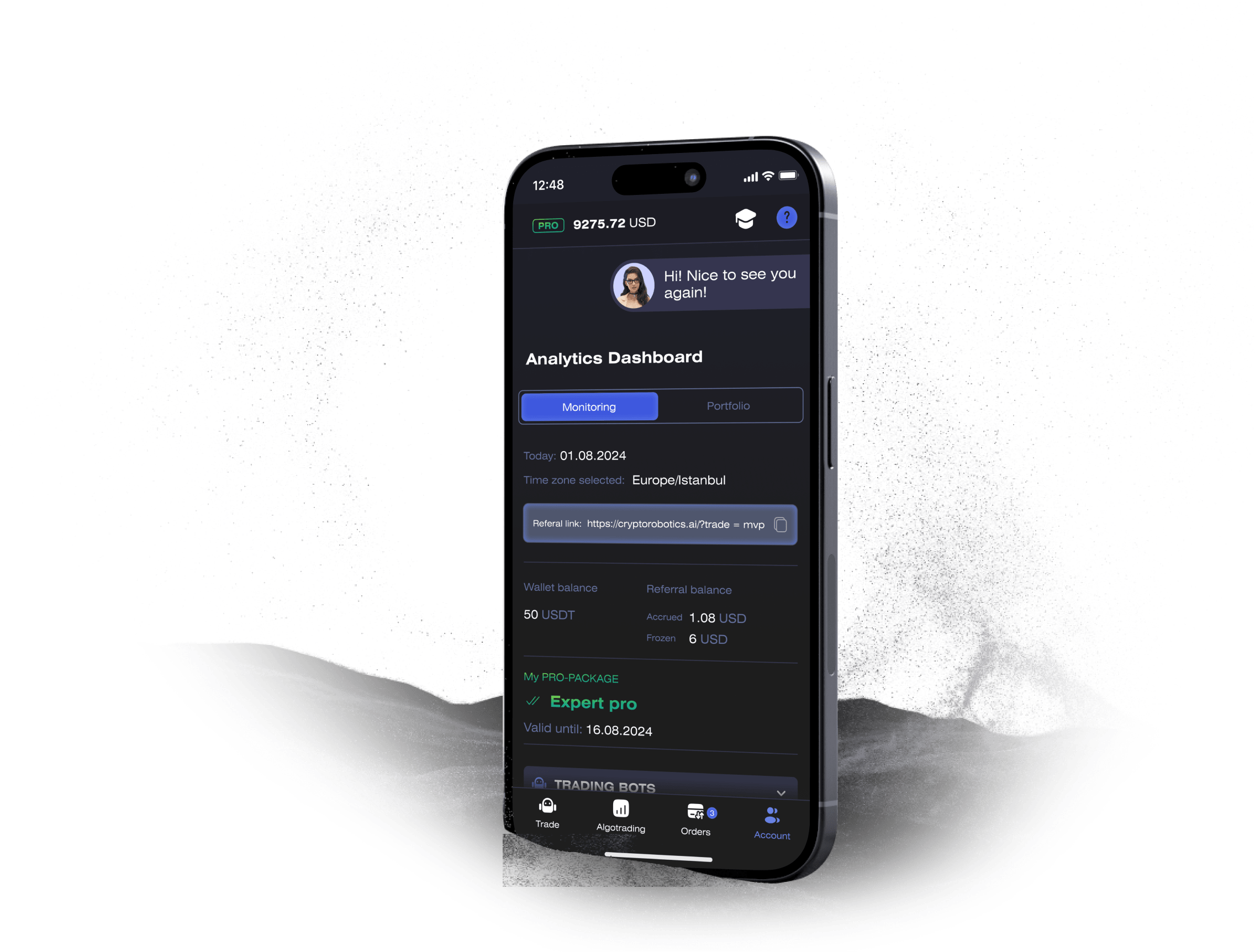
Access the full functionality of CryptoRobotics by downloading the trading app. This app allows you to manage and adjust your best directly from your smartphone or tablet.

News
See more



Blog
See more