

Published: February 12, 2026 at 5:15 pm
Updated on February 12, 2026 at 5:15 pm




“`html
Amidst the ever-evolving technological landscape, one must ponder: how do we truly harness the power of artificial intelligence? The answer is unfolding, and it’s as remarkable as it is disruptive. Enter tokenized access models within AI productivity platforms—an imminent game changer poised to redefine the operational fabric for small to medium enterprises (SMEs). This progressive model stands ready to bridge the chasm between innovative technology and the nimble demands of scalability.
Envision a scenario where sophisticated AI tools are no longer locked away behind complex barriers but are instead integrated into a token-based framework that provides straightforward access and enhanced functionality. This isn’t mere fantasy; it’s a tangible reality on the verge of realization. Businesses are preparing to embrace enterprise-level AI capabilities that are as flexible as they are transformative, driven by pioneering initiatives like MWX that are pioneering a pivotal shift from simply using AI tools to establishing unified AI infrastructures.
As we reflect upon the earlier phases of AI within business contexts, we see a trajectory that began with individual applications pursuing productivity and informed decision-making. Yet, we stand on the brink of a significant transition—a move towards a more comprehensive and cohesive operational framework. The emergence of middleware layers signifies this transformation, acting as an essential backbone that binds varying technological elements into a cohesive whole. This evolution is reshaping how SMEs utilize AI, melding technology with the inherent workflow dynamics of human experience.
In this unfolding narrative, tokenized access models surpass their initial understanding as mere speculative vehicles. They represent a robust layering of functionality, meticulously crafted to synchronize economic forces and operational realities within the AI ecosystem. Tackling critical SMEs concerns—ranging from subscription inefficiencies to cost predictability—these models introduce a fluidity and dynamism to AI access, reflecting the ever-changing landscapes of the marketplaces they intend to serve.
At the epicenter of this evolution lies AI middleware, serving as a crucial connective tissue linking expansive AI capabilities with the multifaceted operational landscapes of SMEs. Initiatives like MWX are not mere participants; they actively steer the course towards a future rich with integration and accessibility. This strategic realignment embodies a broader ambition: to construct infrastructures that not only bolster AI potential but elevate it within a competitive global economy.
Underlying this discussion is the vital concept of token economics. This framework extends beyond just currency exchange; it endeavors to forge a symbiotic connection between utility, accessibility, and growth across AI ecosystems. Engaging with these advanced models shifts the narrative away from speculation, focusing instead on a quantifiable relationship between economic structures and practical utility, thereby ensuring that the evolution of AI frameworks remains both sustainable and representative of their inherent value.
An engaging discourse in this realm highlights the need to balance infrastructure maturity with expansion speed. Emphasizing the construction of durable AI frameworks suggests a long-term vision where stability is prioritized over immediate but potentially chaotic growth. Within this paradigm, AI middleware serves as an essential stabilizer, countering the disruptions of unchecked scalability while nurturing a flourishing environment for AI functionalities.
SMEs find themselves at a pivotal crossroads, eager to tap into the transformative potential of AI yet stymied by practical limitations—issues of cost allocation and workflow integration hang heavy. Tokenized AI productivity platforms offer a beacon of hope, weaving a passage that balances fiscal responsibility with operational fluidity. This approach reflects a targeted strategy for AI deployment, empowering SMEs to not just traverse, but truly thrive within the AI landscape.
The rise of tokenized access mechanisms heralds a new era of democratized AI adoption, dismantling barriers that previously hampered distributed AI teams. This evolution introduces a governance structure that is complex yet user-friendly, echoing the values of collaboration and shared foresight that resonate within contemporary work environments.
Incorporating tokenized access models into AI productivity platforms is not merely a step towards operational efficiency; it represents a redefinition of the interaction between AI technology and the broader economic and social business environment. As SMEs worldwide begin to embrace these models, we shift from passively predicting transformation to actively shaping a future in which AI catalyzes, enhances, and uplifts our collective drive for innovation and excellence. This shift transcends technology—it signals an inspiring cultural evolution toward a more intelligent, integrated, and inclusive global landscape.
“`
Egor Romanov is an experienced crypto analyst, professional trader, and author of trading strategies and the Cryptorobotics blog, where he shares his knowledge about cryptocurrencies and financial markets.
Alina Tukaeva is a leading expert in the field of cryptocurrencies and FinTech, with extensive experience in business development and project management. Alina is created a training course for beginners in cryptocurrency.
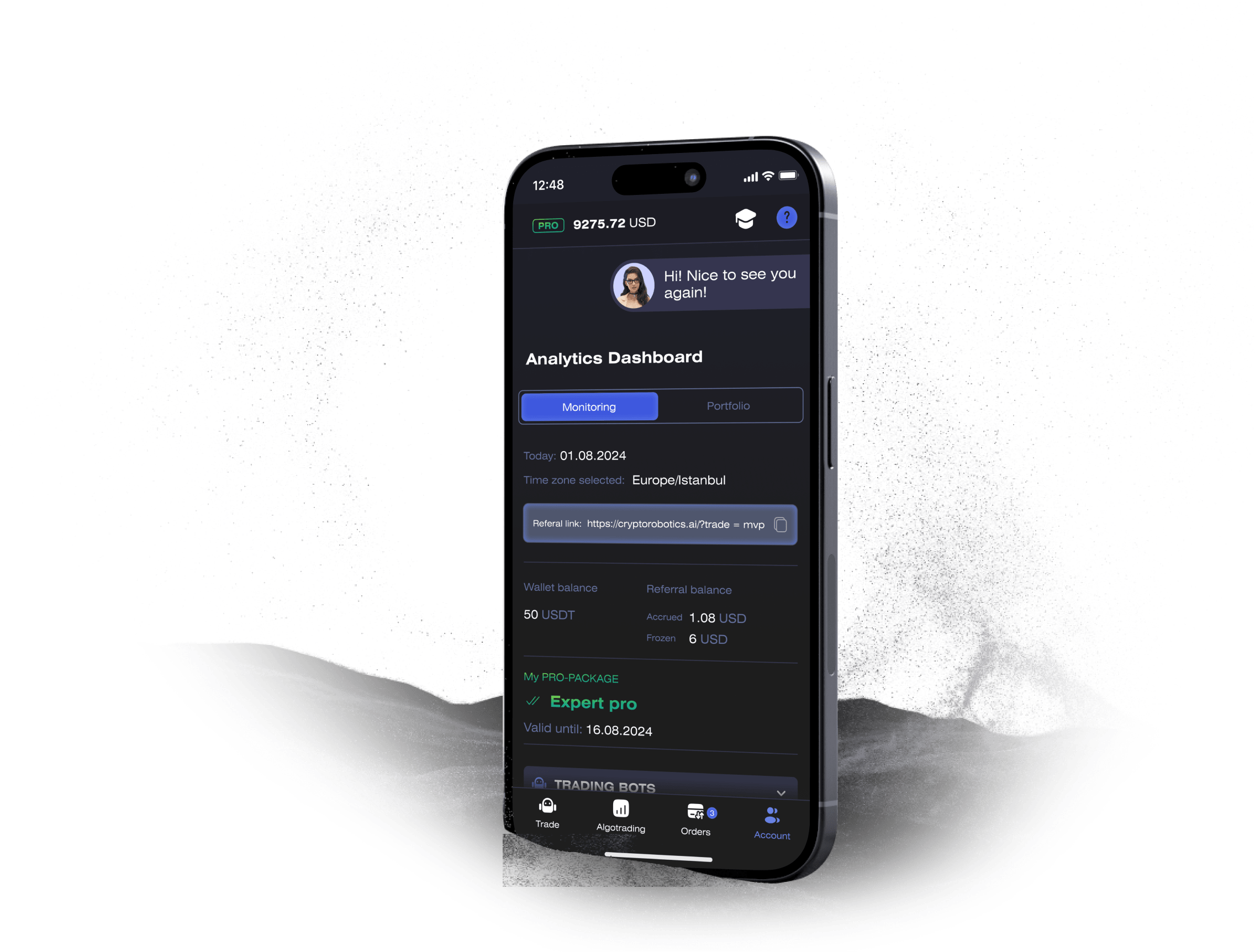
Access the full functionality of CryptoRobotics by downloading the trading app. This app allows you to manage and adjust your best directly from your smartphone or tablet.

News
See more



Blog
See more