

Published: April 03, 2026 at 5:54 am
Updated on April 03, 2026 at 5:54 am




What if you could invest in your dream home or iconic artwork without succumbing to the constraints of traditional finance? Enter the era of tokenization in finance, a game-changing phenomenon that transmutes physical assets—think real estate, renowned paintings, and stocks—into innovative digital tokens securely anchored on a blockchain. This isn’t just a technological upgrade; it’s a clarion call for inclusivity and accessibility within financial markets. By slicing valuable assets into bite-sized portions, tokenization invites a broader spectrum of investors to access opportunities that were hitherto the preserve of the elite few.
Imagine navigating the complex waters of investment without the heavy anchor of exorbitant capital or labyrinthine legal hurdles. This new framework shatters those barriers, empowering everyday individuals to put their stake in high-value assets that once seemed unattainable.
The recent report from the International Monetary Fund (IMF) presents a mixed bag regarding tokenization. On one hand, it lauds financial product tokenization for its promise of transparency and reduced transaction friction. On the flip side, however, it sounds alarm bells, signifying potential threats to financial stability and tokenization. Swift transaction speeds and automation, while enticing, could catalyze intense market volatility, spiraling even minor disruptions into economic crises. The need for a discerning eye is paramount as both investors and regulators face an unpredictable landscape that evolves by the minute.
The winds of change are unmistakably howling through the tokenization market growth, with industry giants like BlackRock at the forefront. Larry Fink, the sharp-minded CEO, is calling for a transformation in transaction methodologies—shifting away from the prolonged T+2 settlement periods towards instantaneous T+0 transactions. Analysts estimate the tokenization market could skyrocket to an astonishing $16 trillion by 2030, spurring massive investments in blockchain technologies.
Moreover, robust frameworks such as the ERC-3643 token standard are gaining traction, ensuring that only compliant investors engage with tokenized assets, thereby fostering an environment of trust and security for all stakeholders involved.
The sweeping tide of financial inclusion through tokenization in emerging markets carries both promise and peril. As traditional barriers fade and cross-border transactions become seamless, regions historically sidelined by conventional banking systems are seeing newfound liquidity and capital flows. Yet, the IMF urges caution—the volatility of capital movement could jeopardize monetary sovereignty in economically fragile nations. The dialogues surrounding accessibility versus stability are crucial as we navigate the uncharted territories of finance’s future.
However promising tokenization may be, it faces serious legal challenges that could hinder progress. A myriad of platforms building unique ledgers invites market fragmentation, resulting in inefficient asset transfers and significant price variances. The IMF emphasizes the necessity of international legal frameworks to govern ownership and settlement processes. In the absence of this clarity, tokenized markets risk becoming “fragmented and peripheral,” stifling the revolutionary potential of blockchain tokenization.
The rise of smart contracts in finance interjects a thrilling layer of complexity into the narrative of tokenization. With automated trading systems on the rise, tech-savvy investors can wield AI-driven bots to execute trades mirroring RWA trades with unparalleled agility. This technological leap not only amplifies security but also democratizes participation, especially for new investors emerging from regions like CIS and Africa, who previously couldn’t access such markets.
The evolution of tokenization in finance reveals a landscape riddled with immense potential and inherent risks. As financial behemoths like BlackRock push for widespread adoption, it becomes critical for regulators and stakeholders to work hand in hand to construct robust frameworks. Ensuring that financial stability and tokenization are not mutually exclusive must be a foundational priority.
Investing wisely in top-notch tokenization solutions is essential as we journey towards a future where entry barriers for both seasoned and novice investors are significantly dismantled. The vision is clear: traditional finance is on the cusp of a radical transformation, reshaped by innovation and technology—forever altering our relationship with money.
Egor Romanov is an experienced crypto analyst, professional trader, and author of trading strategies and the Cryptorobotics blog, where he shares his knowledge about cryptocurrencies and financial markets.
Alina Tukaeva is a leading expert in the field of cryptocurrencies and FinTech, with extensive experience in business development and project management. Alina is created a training course for beginners in cryptocurrency.
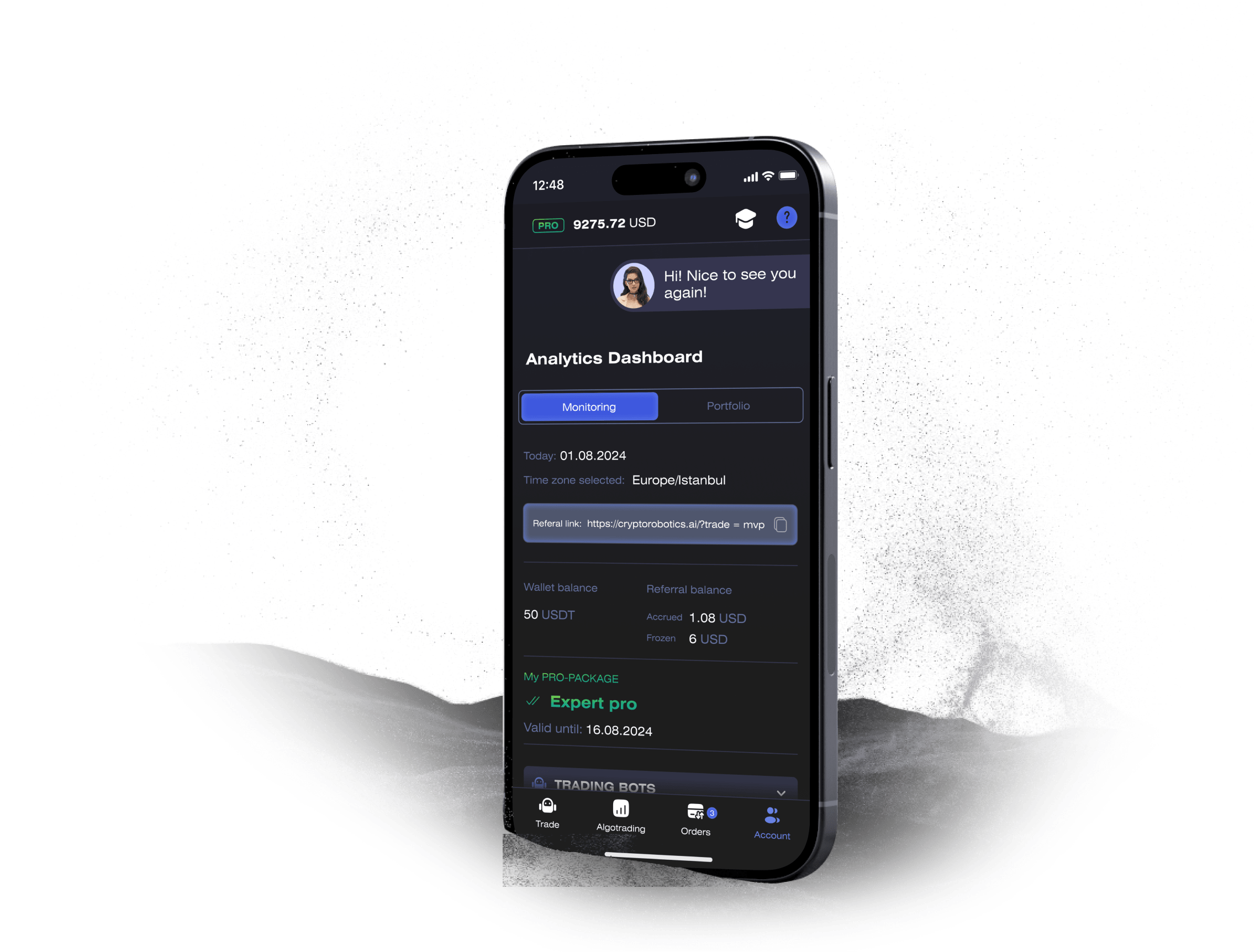
Access the full functionality of CryptoRobotics by downloading the trading app. This app allows you to manage and adjust your best directly from your smartphone or tablet.

News
See more



Blog
See more