

Published: April 06, 2026 at 12:21 am
Updated on April 06, 2026 at 12:21 am




The cryptocurrency realm stands precariously at a crossroads, haunted by the shadow of quantum computing. With four million dormant Bitcoin buried deep in wallets, untouched for years, the stakes have never been higher. As the value of these dormant assets swells into the hundreds of billions, the potential for a quantum breach feels like a ticking bomb ready to explode, poised to send shockwaves through the entire Bitcoin market. This escalating tension reveals a pressing dilemma: how does one balance the imperative of upgrading the Bitcoin protocol against the existential principle of immutability that underpins its essence?
But what exactly constitutes dormant Bitcoin? In simple terms, we’re talking about coins that have languished in shadowy corners of the blockchain, nestled within older, less secure P2PKH addresses for eons. As quantum technology advances, the looming threat of these long-ignored bitcoins being hacked becomes disturbingly real. Picture this: if a quantum computer manages to crack the encryption that shields these assets, a flood of dormant coins could crash into the market, triggering a domino effect that plunges Bitcoin prices into chaos, shaking the foundations of the entire cryptocurrency ecosystem.
The cryptocurrency community is far from monolithic on this issue, and opinions have emerged from heavyweights like Willy Woo and Adam Back, each championing opposing strategies.
Willy Woo has emerged as a prominent advocate for proactive intervention, pushing for a radical approach of temporarily halting transactions from vulnerable dormant wallets. He argues that by freezing these assets, the community can avert a disaster, providing essential breathing room to transition to quantum-resistant technologies. Woo frames this proposal as a form of guardianship, asserting that it is the Bitcoin protocol’s duty to protect its users from potential ruin.
In stark contrast, Adam Back has asserted his staunch belief in the sanctity of immutability, arguing that any attempts at intervention would veer towards dangerous centralization. For Back, the onus of safeguarding assets lies squarely with individual holders, not on the developers of the protocol. He maintains that the Bitcoin network should treat potential quantum threats as mere market events, akin to hacks that occur on exchanges, instead of necessitating sweeping changes to its foundational code. This perspective underlines the belief that maintaining Bitcoin’s decentralized nature is indispensable, even when faced with unprecedented challenges.
So, can the Bitcoin community band together to forge a consensus on a protocol upgrade to safeguard dormant assets? The reality is far more complicated. The varied interests of miners, developers, and node operators make achieving unanimous agreement a Herculean task. History serves as a cautionary tale; contentious protocol changes often spiral into bitter forks and deep divides. Given this backdrop, navigating these waters appears both urgent and daunting.
Amidst this turmoil, experts emphasize the immediate necessity for post-quantum cryptography standards. There are already initiatives underway to develop specialized algorithms that can robustly secure blockchain networks against quantum threats. As technology hurtles forward, the Bitcoin community’s discussions must evolve, centering around effective strategies for implementation. It’s crucial to ensure the network’s capacity to withstand quantum challenges while remaining true to its core ideologies.
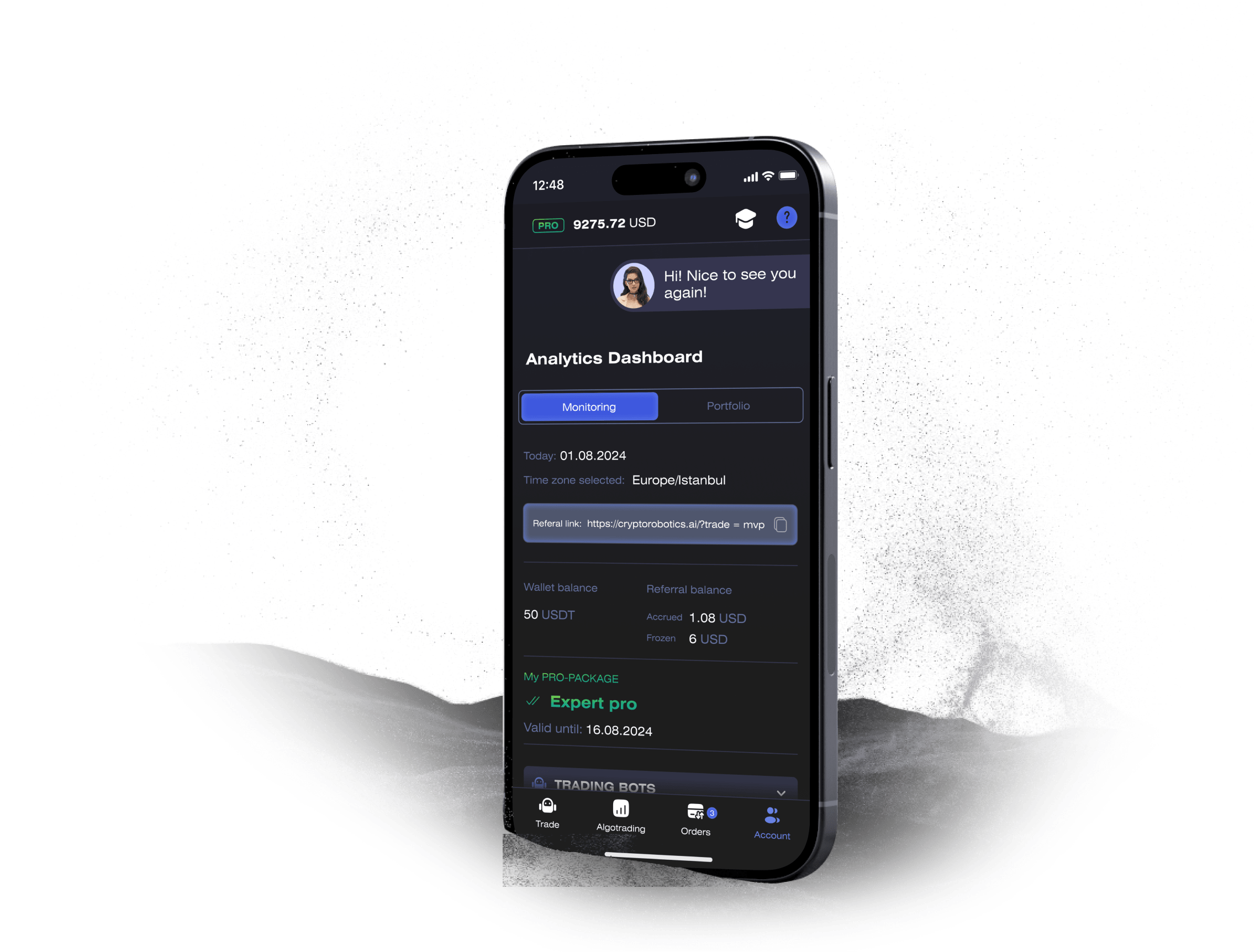
Enter the burgeoning role of AI-driven trading platforms—these are fast becoming game-changers. Traders now eye innovative strategies that embed quantum resistance into their operations, fortifying their portfolios against unpredictable risks while paving the way for a more sustainable marketplace. Tools like a crypto terminal or a crypto algorithmic trading bot are rapidly rising in popularity, allowing users to set crypto take profit orders and utilize advanced order types crypto features. This evolution marks a transformative moment within the cryptocurrency landscape, provoking all participants to stay ahead of looming threats.
As the cryptocurrency community wrestles with the dilemmas posed by the specter of quantum computing, the discourse surrounding dormant Bitcoin not only illuminates pressing technical challenges but also philosophical quandaries at the intersection of innovation and tradition. The tension between the necessity for protocol evolution and the unwavering commitment to maintaining Bitcoin’s immutability encapsulates profound anxieties within this ecosystem. To navigate the future successfully, collaboration among all stakeholders is essential, ensuring that Bitcoin not only endures but flourishes in an era defined by rapid technological shifts. The outcomes of these ongoing discussions will indisputably define Bitcoin’s trajectory and its core principles for years to come.
Egor Romanov is an experienced crypto analyst, professional trader, and author of trading strategies and the Cryptorobotics blog, where he shares his knowledge about cryptocurrencies and financial markets.
Alina Tukaeva is a leading expert in the field of cryptocurrencies and FinTech, with extensive experience in business development and project management. Alina is created a training course for beginners in cryptocurrency.
Access the full functionality of CryptoRobotics by downloading the trading app. This app allows you to manage and adjust your best directly from your smartphone or tablet.