

Published: January 16, 2026 at 10:30 am
Updated on January 16, 2026 at 10:30 am




In the fast-paced world of decentralized finance (DeFi), liquidity fragmentation is evolving into more than just a nuisance; it’s a substantial hurdle that dampens the trading thrills crypto enthusiasts yearn for. The trek of the LSD token through the shifting sands of Solana-based decentralized exchanges (DEXs) serves as a striking testament to the challenges often misattributed to mere network congestion.
As traders plunge into the revolutionary waters of Solana-based DEXs, they’re drawn in by the allure of advanced technology and the enticing potential of emerging tokens like LSD. However, they quickly encounter an unwelcome reality: the disparity between the perceived abundance of liquidity and the significant barriers to executing trades. This dissonance exposes a chasm between the smooth trading experience they envisioned and the obstacles that await.
Amidst this turbulent trading environment, liquidity fragmentation emerges—not merely as a side effect of network efficiency but as a disruption in how liquidity pools are allocated and interact. For traders eager to dive into assets like LSD, the challenge lies in navigating through isolated liquidity pools, often resulting in delayed or failed transactions stemming from inadequate routing pathways.
Understanding the nuances between trading volume and genuine market access has never been more crucial. Traders, enchanted by the bright numbers of high trading volumes, are coming to grips with a sobering reality: these figures do not guarantee smooth trade execution. The experience of LSD on Solana’s DEXs serves as a stark reminder that true accessibility is tethered to the quality of liquidity distribution and the efficiency of routing algorithms. Utilizing a trading volume terminal may help in analyzing these discrepancies.
The convoluted nature of DEX routing showcases the complexity inherent in decentralized trading architecture. Nevertheless, the challenges faced by LSD users underscore a critical truth: mere availability of liquidity does not equate to effective execution. When faced with fragmented liquidity pools, routing algorithms struggle to deliver dependable results, illuminating the essential nature of execution reliability over sheer transaction volume. Finding the best trading platform for fast execution can significantly enhance the trading experience.
In the face of liquidity hurdles, the advent of AI-driven technologies and advanced aggregators presents a flicker of hope. These innovations are engineered to tackle and untangle the complications of liquidity fragmentation, forecasting a transformative era in crypto trading—one in which investors may finally break free from the constraints of current market frameworks. Adopting a trading platform best suited for these innovations could be vital for those involved in dex trading.
As we navigate this decentralized finance landscape, the wisdom and insights of the community emerge as vital assets. Shared user experiences illuminate the murky waters of DEX transactions, and it is through this collective awareness that the market can introduce a level of transparency and resilience that has long been elusive.
The narrative of LSD’s journey across Solana-based DEXs urges the cryptocurrency community to reevaluate its focus, shifting away from the ephemeral charms of price fluctuations and transaction volumes. Instead, it calls for a deeper appreciation of execution quality and market infrastructure. By embracing this new perspective, traders can equip themselves to navigate the DeFi ecosystem with a clarity that prioritizes informed decisions and seamless transactions, ultimately forging a path filled with opportunities for meaningful engagement in the digital economy. Transitioning to the best daily trading platform may offer traders the necessary tools to succeed.
Egor Romanov is an experienced crypto analyst, professional trader, and author of trading strategies and the Cryptorobotics blog, where he shares his knowledge about cryptocurrencies and financial markets.
Alina Tukaeva is a leading expert in the field of cryptocurrencies and FinTech, with extensive experience in business development and project management. Alina is created a training course for beginners in cryptocurrency.
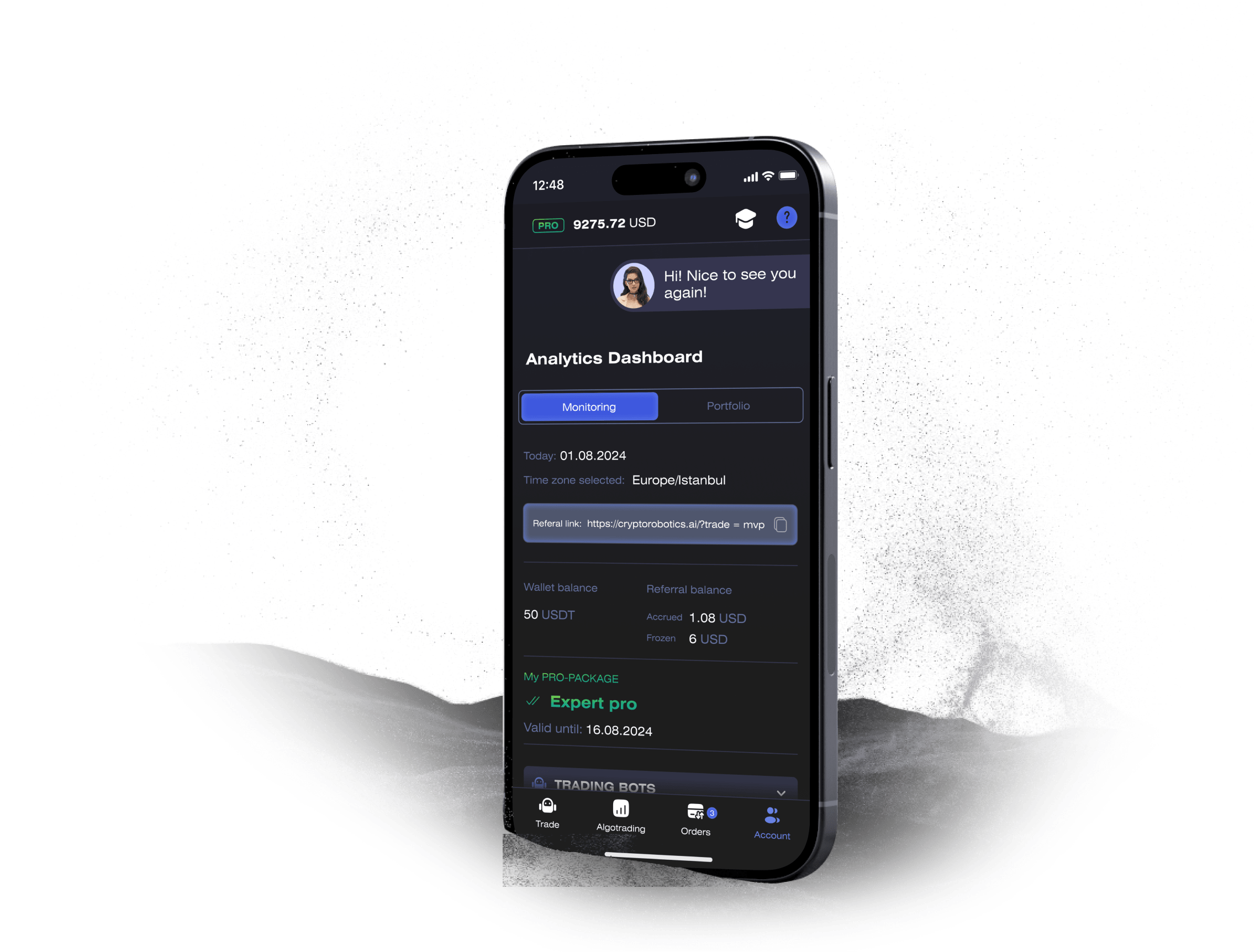
Access the full functionality of CryptoRobotics by downloading the trading app. This app allows you to manage and adjust your best directly from your smartphone or tablet.

News
See more



Blog
See more