


Published: December 14, 2025 at 6:48 pm
Updated on December 14, 2025 at 6:48 pm




Just when you think the Ethereum narrative couldn’t become more riveting, a seismic event like the Fusaka mainnet incident shakes the foundations. This moment was not simply a minor blip on the radar; it was a robust trial of Ethereum’s mettle, testing its capacity for survival and adaptability amid chaos. The incident didn’t just unveil flaws—it illuminated the undeniable strength found in diversity and community engagement.
December 4, 2025, will be etched in the memory of the cryptocurrency community as a day of reckoning. The highly anticipated Fusaka upgrade, poised to propel Ethereum to new heights, was clouded by a shadowy Prysm bug that questioned the network’s reliability. Validator participation, the lifeblood of Ethereum, swooped down to a critical 75%. With around 382 Ethereum proof rewards evaporating into nothingness, users were left clutching their digital coins in disbelief. However, this precarious moment became a launchpad for resilience and ingenious adaptability in the Ethereum ecosystem.
The emergence of a resource exhaustion bug revealed a perilous vulnerability in Ethereum’s validation framework. Validators, the sentinels ensuring every transaction received consensus, found themselves ensnared by unexpected complications. Rather than capitulate in the face of adversity, Ethereum’s response was impressive. The introduction of emergency runtime flags and fast-tracked Prysm updates showcased an agile reflex to counter the turmoil. This bug wasn’t merely a glitch; it emerged as an unexpected test of community strength and determination.
Surprisingly, amidst the upheaval, the real champion emerged in the form of Ethereum’s rich tapestry of decentralized clients. The eclectic mix of multiple options such as Lighthouse, Nimbus, and Teku acted like an armor against a complete system failure. This isn’t just a technical detail; it’s the very pillar upon which Ethereum’s resilience rests. As one client falters, others prop up the network’s functionality, ensuring that the entire ecosystem remains dynamic and alive, even in turbulent times.
When the tremors of instability struck, the Ethereum Foundation’s prompt crisis communication acted as a lighthouse in the storm, steering validators safely back to stable waters. This immediate and organized response perfectly illustrated Ethereum’s preparedness and adaptability in crisis. In less than a day, validator participation surged back to an impressive 99%, a clear indication that the community’s dedication to normalcy is unwavering.
The Fusaka episode stands as a vivid reminder of the fine equilibrium between progress and stability that Ethereum must navigate. While pushing boundaries with innovations like PeerDAS technology to elevate Layer 2 scaling, the network also grapples with inherent risks. This incident underscores the crucial need for thorough pre-launch testing and rigorous risk assessments to nurture a robust blockchain infrastructure that can support its evolutionary journey—especially important knowledge for choosing the best trading platform for Ethereum.
The Fusaka adventure was more than a mere technical hiccup—it was a narrative woven from struggle, resilience, and ultimate triumph. It highlighted the indispensable nature of client diversity, a rapid incident response culture, and a commitment to cautious innovation. As Ethereum marches boldly into its future, the lessons learned from this episode will be integral in shaping its path through the decentralized universe. In integrating these insights, Ethereum continues to fortify its resilient framework, poised confidently to navigate the complexities of an ever-evolving digital landscape.
Egor Romanov is an experienced crypto analyst, professional trader, and author of trading strategies and the Cryptorobotics blog, where he shares his knowledge about cryptocurrencies and financial markets.
Alina Tukaeva is a leading expert in the field of cryptocurrencies and FinTech, with extensive experience in business development and project management. Alina is created a training course for beginners in cryptocurrency.
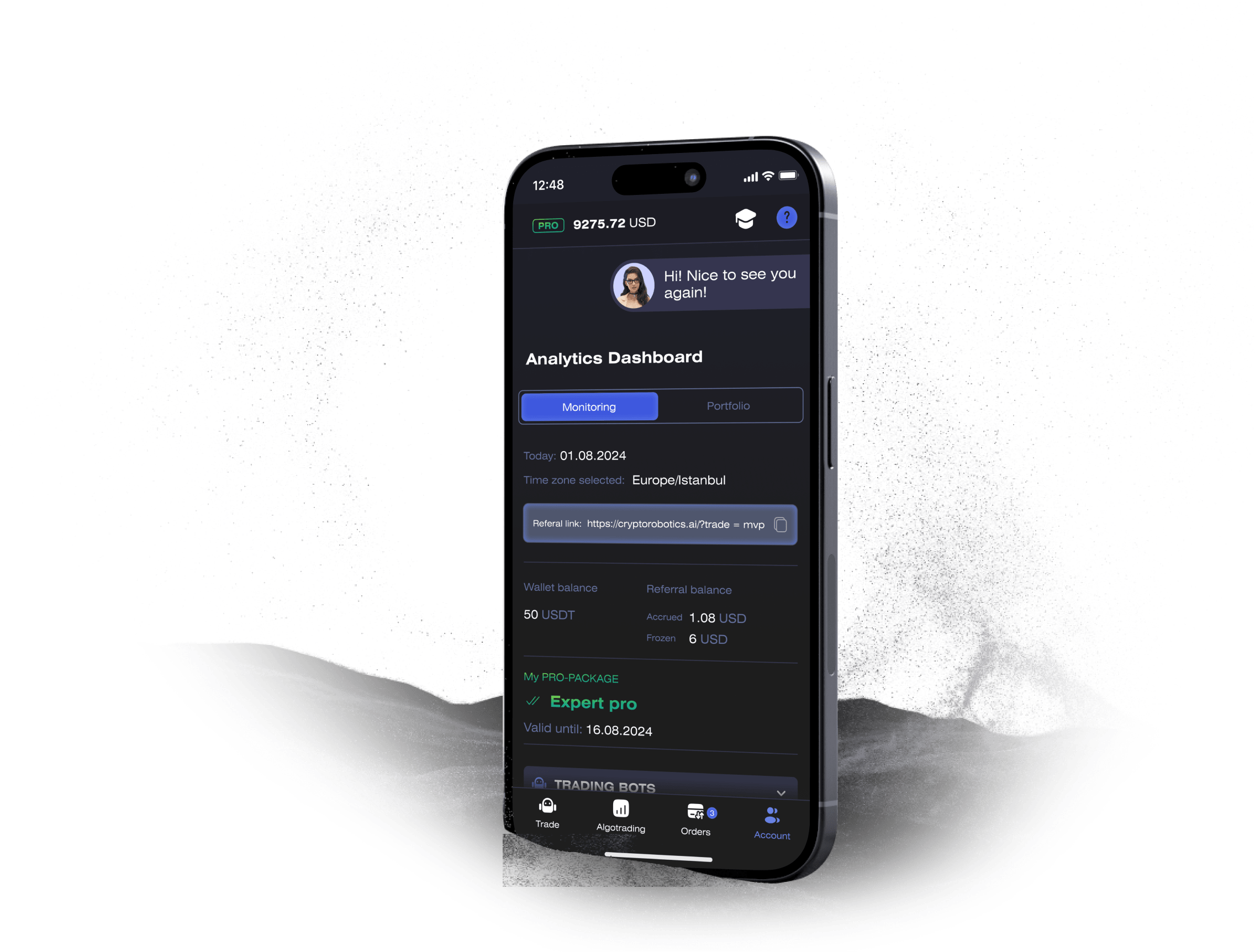
Access the full functionality of CryptoRobotics by downloading the trading app. This app allows you to manage and adjust your best directly from your smartphone or tablet.

News
See more



Blog
See more