

Published: September 14, 2025 at 10:15 am
Updated on September 14, 2025 at 10:15 am




In the dynamic realm of decentralized finance (DeFi), the metric of Total Value Locked (TVL) has historically shone as a beacon, suggesting the health and liquidity of various platforms. However, a closer examination by analytics platforms like DefiLlama reveals unsettling truths: a significant disconnect exists between the lofty TVL numbers touted and the actual assets that support them. This alarming reality urges a critical reassessment of the authenticity of financial metrics within the cryptocurrency ecosystem, driving us to dig deeper into the substance—or lack thereof—behind these inflated claims.
The gap between advertised TVL and actual chain data is staggering, exacerbated by the methods used to account for real-world assets (RWAs) and the flow of stablecoins. When a fintech company boldly asserts a TVL of $12 billion, but investigation shows only a meager amount in Bitcoin and Ethereum along with negligible stablecoin reserves, it is not just a blow to individual platforms; it reveals a broader crisis of transparency playing out across the entire crypto landscape.
In today’s intricate cryptocurrency environment, the dependability of DeFi analytics platforms serves as a lighthouse, guiding investors amidst choppy waters. These platforms hold the formidable task of consolidating and presenting data, becoming a foundation of trust for the DeFi sphere. However, when inconsistencies arise, this trust wavers, casting shadows over not only the analytics themselves but also the entire DeFi universe striving to shed light on complex interactions.
At its core, the appeal of DeFi is grounded in its promise of absolute transparency and the steadfast reliability provided by blockchain technology. Nonetheless, the inconsistency between reported figures and blockchain-validated data raises crucial issues regarding the essence of accountability and the true openness of investments in this arena. In a domain where decisions are driven by data, the integrity and precision of that data must be beyond question, especially when evaluating how do I know if a crypto trading platform is legit.
Confronting the discrepancies between embellished TVL claims and real blockchain activities demands more than just numerical corrections; it necessitates a fundamental reorganization of trust and reliability within DeFi. Achieving this recalibration involves a rigorous commitment to confirming the tokenization of tangible assets and ensuring the accuracy of the data that automated trading systems rely upon. It is essential to consider how to check if a crypto trading platform is legit as part of this process. Only through an unwavering dedication to this verification can the DeFi ecosystem meet its own standards of transparency.
Navigating toward a DeFi ecosystem rooted in trust and verifiable data is akin to traversing treacherous waters filled with obstacles. However, this journey is essential for safeguarding investors’ interests and maintaining the integrity of the cryptocurrency marketplace. As our discussion underscores, embarking on this path requires an unyielding commitment to accuracy and a collaborative effort to uphold the values of transparency and accountability. Only through this united devotion can we truly realize the promise of decentralized finance.
The recent turmoil surrounding World Liberty Financial (WLFI), fueled by allegations of market manipulation and subsequent blacklists—including the freezing of Justin Sun’s significant assets—serves as a stark reminder of the fragile equilibrium between centralization and the founding principles of DeFi. This unfolding narrative highlights the complex governance dynamics within frameworks that profess decentralization, illuminating the urgent need for DeFi projects to not only endorse but vigorously embrace fairness, transparency, and trust.
In this tumultuous landscape, where DeFi and centralized finance (CeFi) intersect, the reliability of analytics, the imperative of blockchain accountability, and the pursuit of genuine investment transparency have never been more critical. Through continued scrutiny and a steadfast commitment to truth, the DeFi cosmos can still stand as a beacon for those in search of a financial infrastructure as unwavering in its integrity as the blockchain it operates on. As the waves of the WLFI saga crash against our broader discussions of DeFi, one lesson stands clear: in the pursuit of decentralization, transparency is not merely an addendum—it is the very foundation upon which the future of finance must be constructed.
Egor Romanov is an experienced crypto analyst, professional trader, and author of trading strategies and the Cryptorobotics blog, where he shares his knowledge about cryptocurrencies and financial markets.
Alina Tukaeva is a leading expert in the field of cryptocurrencies and FinTech, with extensive experience in business development and project management. Alina is created a training course for beginners in cryptocurrency.
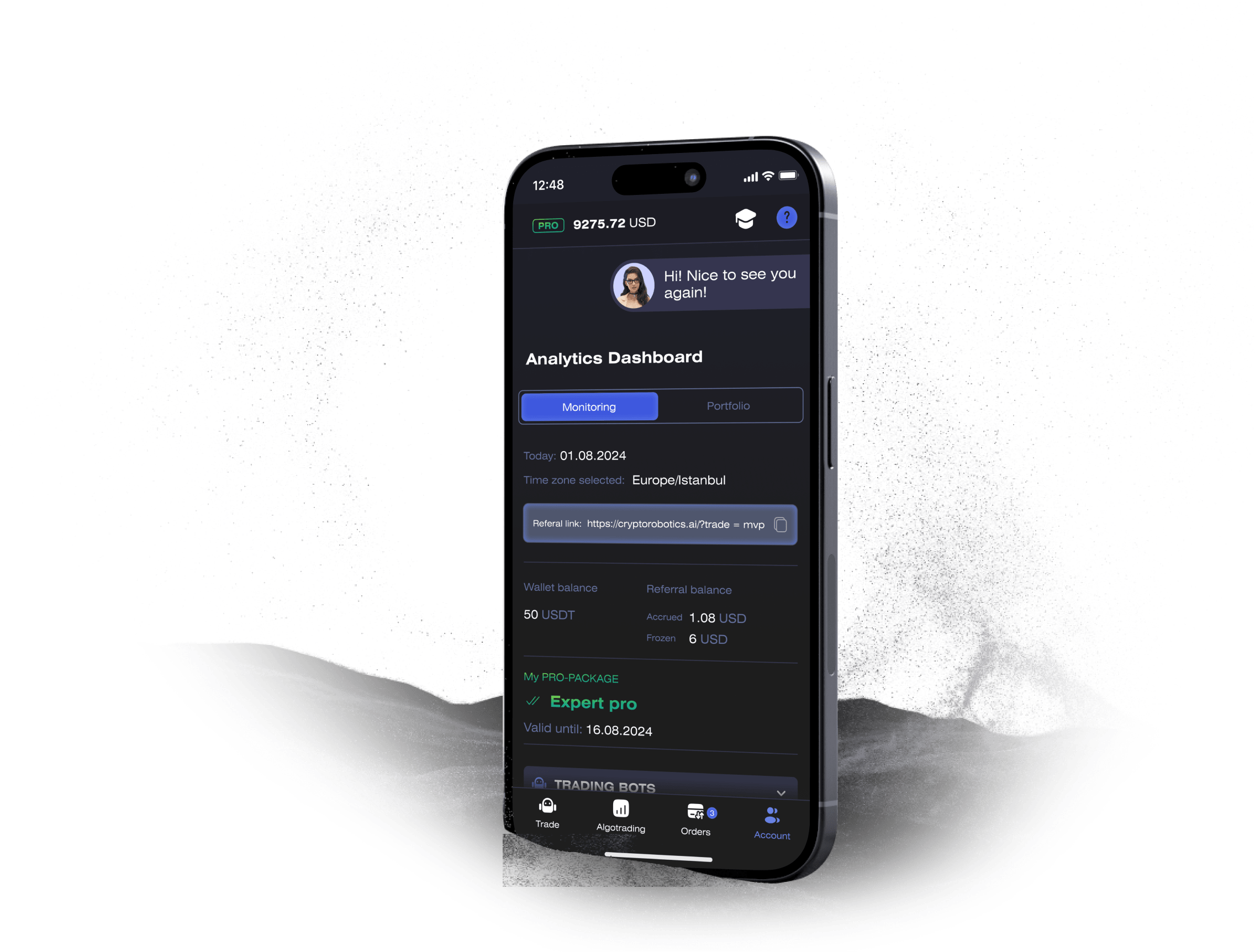
Access the full functionality of CryptoRobotics by downloading the trading app. This app allows you to manage and adjust your best directly from your smartphone or tablet.

News
See more



Blog
See more