

Published: December 13, 2025 at 11:35 am
Updated on December 13, 2025 at 11:35 am



What if our digital lives could thrive outside the oppressive grip of centralized corporations, governed instead by us, the collective? This is the compelling vision of Web3 decentralization, a tantalizing fantasy marred by the harsh reality of dependence on centralized cloud services. The outages of 2025, instigated by colossal players like AWS and Cloudflare, highlighted a grave vulnerability within our ecosystem. In mere moments, decentralized applications (dApps) and decentralized finance (DeFi) platforms struggled to breathe, not due to a blockchain failure, but because the very infrastructure they depended on crumbled beneath them.
Centralization lurking within the framework of decentralization is akin to finding unexpected debris in an otherwise pristine sea—it shakes our assumptions, even when all seems well. When AWS faltered, so too did our trusted services, from exchanges to digital wallets. The blame did not rest with the blockchain itself; rather, it lay with the fragile off-chain components—hosting services, content delivery networks, domain name systems, and remote procedure call nodes. This unsettling truth forces us to peer behind the ledger and reevaluate the very foundation of Web3’s architecture.
Yet, there emerges a silver lining from the chaos of cloud outages—a pivotal awakening within the blockchain community. Innovations like multi-cloud strategies, decentralized storage options like IPFS, and distributed RPCs illuminate the path forward, showcasing resilience in the face of centralized disruptions. These aren’t mere stopgaps; they represent a fundamental paradigm shift in how we construct and sustain our digital landscapes.
There’s a palpable surge in enthusiasm for technologies that reflect the core principles of Web3: a decentralization that transcends mere blockchain transactions. Here, distributed storage solutions and computational resources emerge not only as alternatives in structure but as a philosophy. They herald a future where data and services are as decentralized as the consensus algorithms underpinning the blockchain itself—a landscape where outages transform from catastrophic failures into minor annoyances.
The quest for true decentralization demands more than mere technical fixes; it requires an evolution in our mindset. As we deliberate on the architecture of Web3, we face a stark decision: shall we continue down a path that fosters digital feudalism, where a select few control the keys to our digital realm, or shall we navigate toward a landscape that embodies genuine power distribution? This endeavor transcends technology; it calls into question the identity we wish to forge in this emerging digital era.
The pursuit of true decentralization is fraught with obstacles, magnified by the cloud outages that stand as urgent reminders for the crypto and blockchain communities. Yet, within these challenges lies the spark of innovation and a resolute commitment to a vision grounded in robust, adaptive architecture, as well as a united, decentralized ethos. By embracing strategies like multi-cloud frameworks, decentralized storage, and distributed RPCs, we venture closer to a Web3 that is as formidable as our aspirations allow. While the journey may be long, the future we are crafting—resilient, decentralized, and inherently ours—makes every step worthwhile. The fight for a decentralized Web3 isn’t just about optimizing technology; it’s about reclaiming our digital autonomy, one piece at a time.
Egor Romanov is an experienced crypto analyst, professional trader, and author of trading strategies and the Cryptorobotics blog, where he shares his knowledge about cryptocurrencies and financial markets.
Alina Tukaeva is a leading expert in the field of cryptocurrencies and FinTech, with extensive experience in business development and project management. Alina is created a training course for beginners in cryptocurrency.
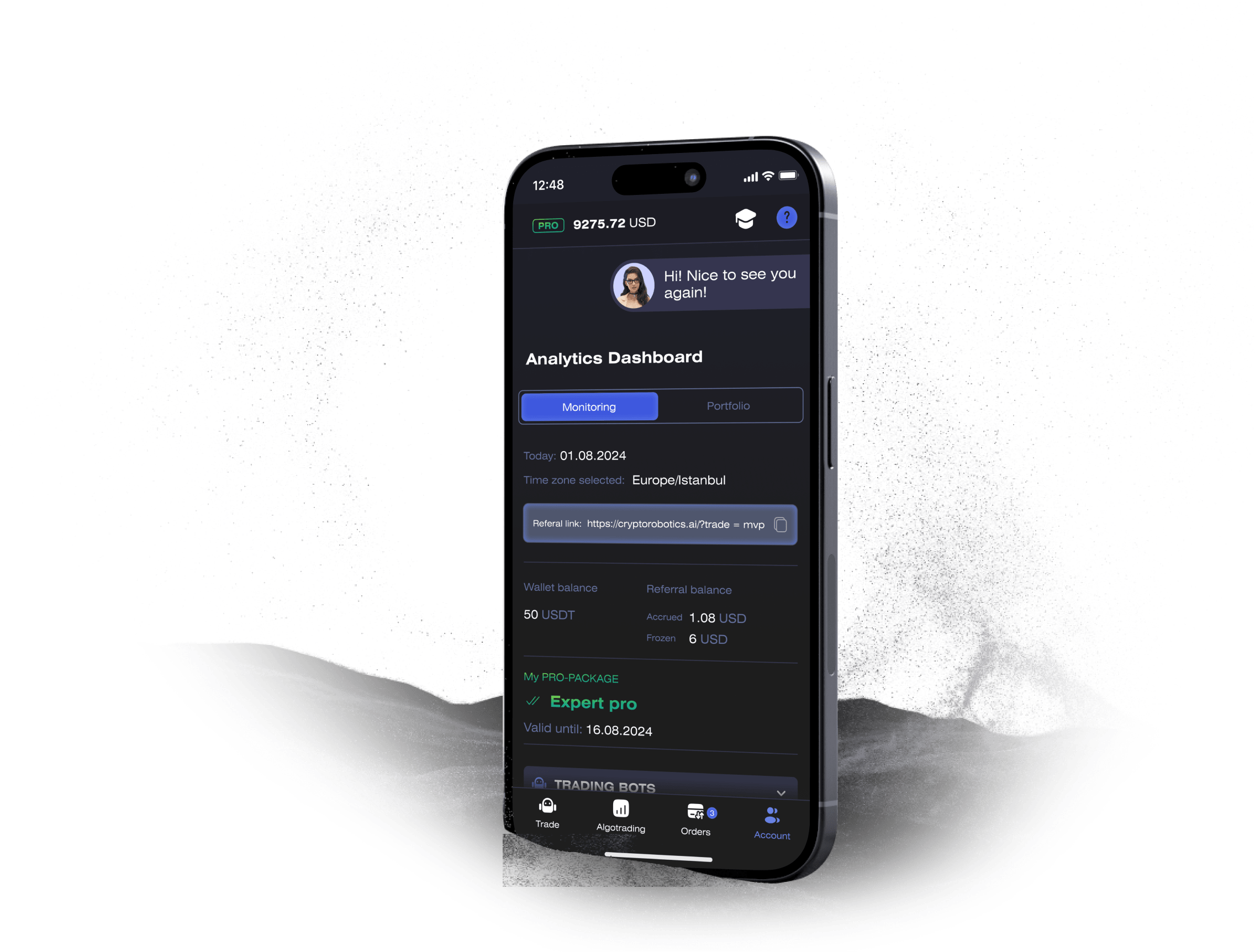
Access the full functionality of CryptoRobotics by downloading the trading app. This app allows you to manage and adjust your best directly from your smartphone or tablet.

News
See more



Blog
See more