


Published: February 13, 2026 at 2:02 pm
Updated on February 13, 2026 at 2:02 pm




What if a single transaction could send shockwaves through an entire financial ecosystem? Such is the case with Alameda Research’s bankruptcy estate, which recently traded a staggering 129 million STG tokens for approximately 11.142 million ZRO tokens in an exchange that goes beyond mere numbers. This pivotal decision illuminates the growing importance of cross-chain liquidity and asset management in an increasingly interconnected digital financial landscape. Let’s explore the ramifications of this strategic realignment and what it signals for the future of cryptocurrencies.
Alameda’s shift from STG to ZRO isn’t just another routine swap in the crypto world; it’s a significant pivot that unveils new strategic considerations. By reallocating such a considerable segment of STG’s supply, Alameda is hinting at a deeper strategic maneuvering at play among cryptocurrency market makers. This transition reflects vital undercurrents affecting token supply, asset transfers, and market volatility, presenting an evolving narrative that crypto analysts must grasp moving forward.
For participants in the Stargate Finance and LayerZero ecosystems, this transaction carries complex implications. The migration of STG tokens into ZRO raises essential questions about liquidity and governance within these frameworks. Such shifts depend heavily on the responses from liquidity providers and token holders alike, with the potential to reshape both asset valuations and influence over governance decisions. In this fluid environment, a nuanced understanding of digital asset interactions becomes critical for stakeholders hoping to navigate the turbulent waters of crypto finance effectively.
Central to this asset exchange is the burgeoning domain of cross-chain liquidity. As the cryptocurrency sphere expands, the ability to transfer digital assets smoothly across different blockchains becomes ever more crucial. Alameda’s participation in this token migration underscores a deliberate strategy to leverage the efficiencies gained from greater liquidity and interoperability among platforms. This proactive stance promises to be transformative, influencing the trajectory of crypto transaction analysis and strategies for reallocating assets across emerging technologies.
For astute traders, Alameda’s significant transaction is rife with potential arbitrage opportunities. Swapping vast amounts of tokens can expose discrepancies in asset valuations among various exchanges, opening doors for calculated financial benefits. Additionally, traders may find themselves exploring copy trading for crypto, leveraging strategies from successful peers. The crypto market requires sharp acumen and adaptability as traders navigate layers of volatility and complexity, making the ability to identify and act on these discrepancies essential for success in today’s digital economy.
Alameda Research’s asset transition from STG to ZRO not only marks a turning point in its operational strategy but serves as a precursor to the broader shifts redefining digital asset management. This isn’t just swapping one token for another; it’s catalyzing developments in cross-chain liquidity and token transfer protocols that are poised to revolutionize the financial landscape. As we step into an era where integration and efficiency among blockchain systems become paramount, one thing is clear: Alameda’s audacious move is merely a glimpse into the transformative changes awaiting us in the realm of digital finance. The very foundation of how we approach cryptocurrency investments is evolving, and those who adapt will thrive in this dynamic environment.
Egor Romanov is an experienced crypto analyst, professional trader, and author of trading strategies and the Cryptorobotics blog, where he shares his knowledge about cryptocurrencies and financial markets.
Alina Tukaeva is a leading expert in the field of cryptocurrencies and FinTech, with extensive experience in business development and project management. Alina is created a training course for beginners in cryptocurrency.
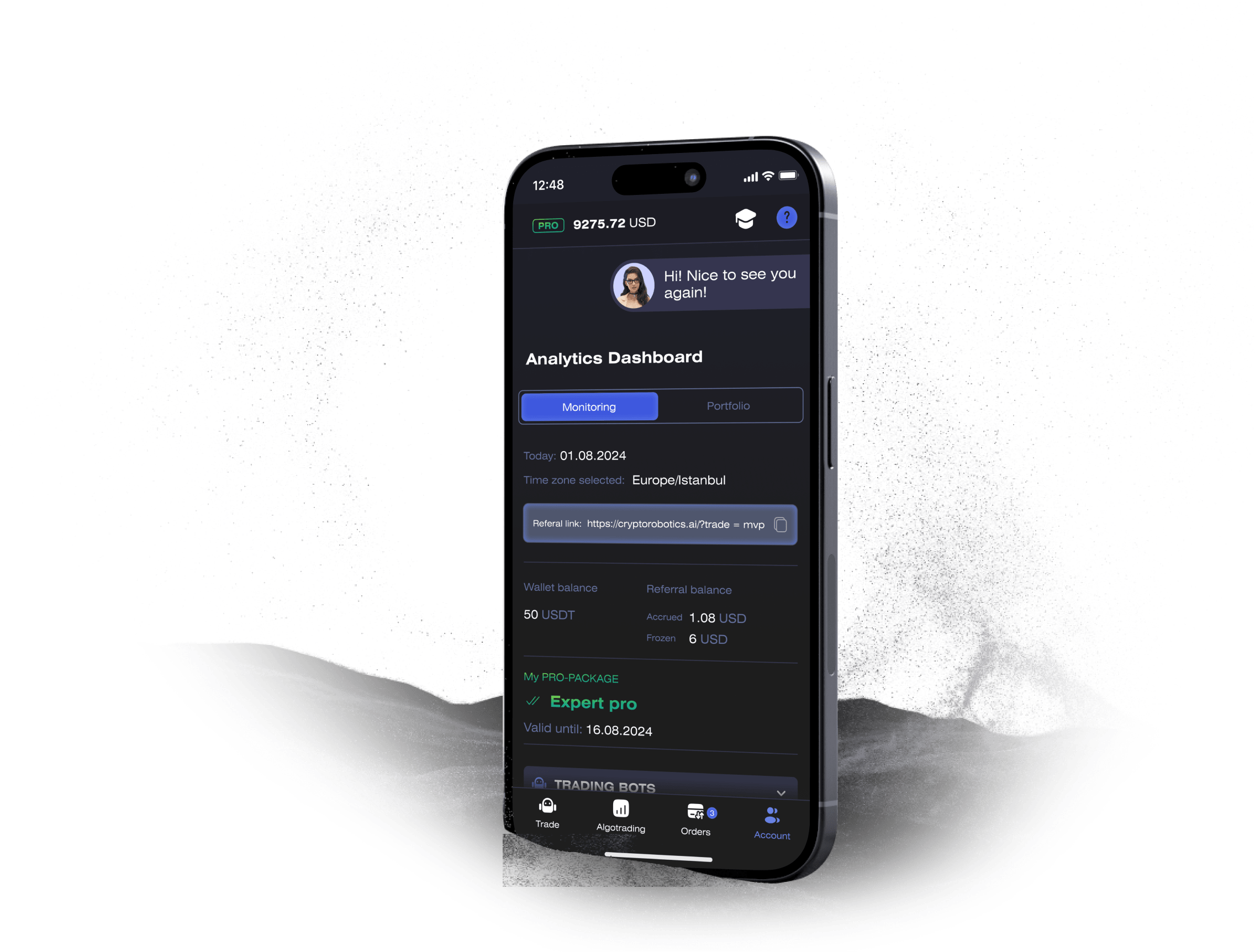
Access the full functionality of CryptoRobotics by downloading the trading app. This app allows you to manage and adjust your best directly from your smartphone or tablet.

News
See more



Blog
See more