Published: February 20, 2025 at 4:44 am
Updated on June 09, 2025 at 7:04 pm

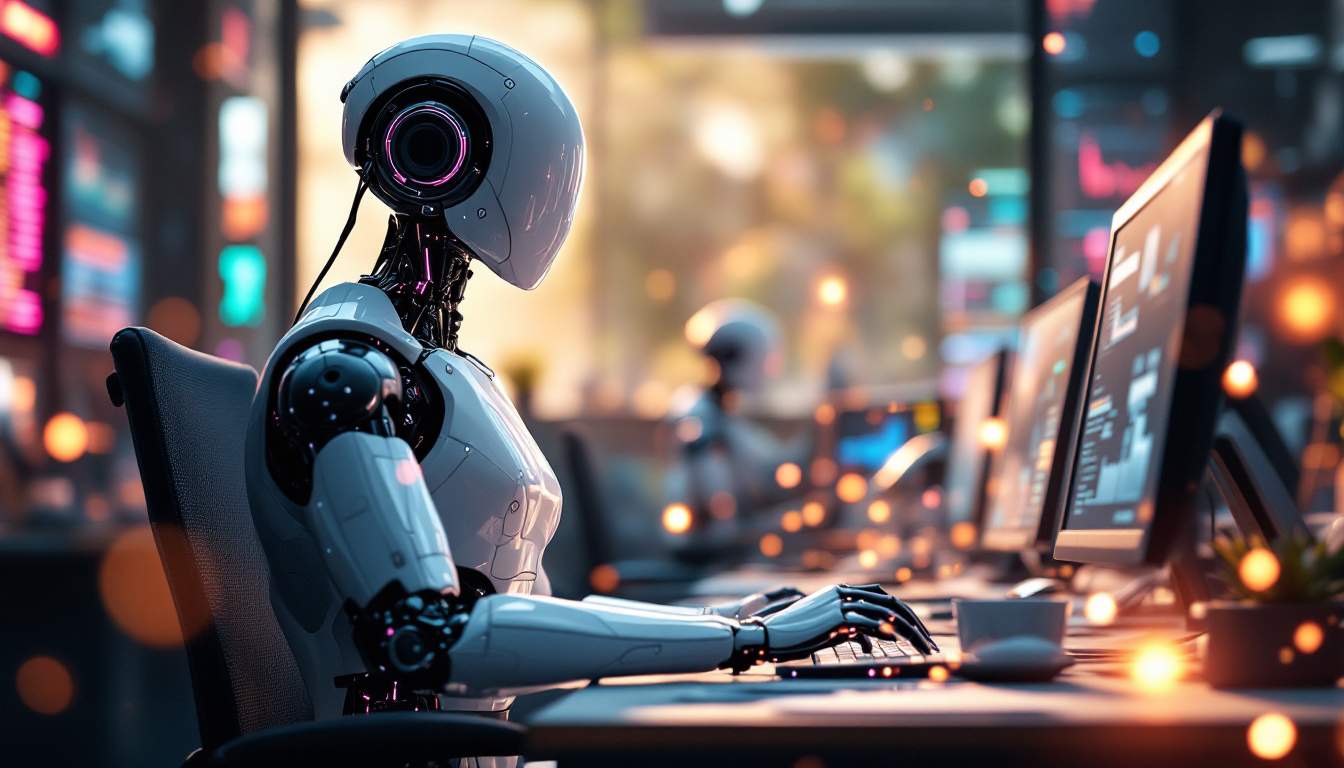


The rise of artificial intelligence (AI) is reshaping the landscape of Non-Fungible Tokens (NFTs) and digital art in the cryptocurrency market. This combination of technology and artistry is not just pushing creative boundaries but also challenging our understanding of authenticity and value. So, let’s dive into this evolving world, and see what it means for artists and collectors alike.
AI is quickly becoming a game changer in the NFT space. With advanced algorithms at their disposal, artists can create unique works that might never have come to life otherwise. This kind of technology can enhance the market value of these digital assets, making them more desirable. However, it also raises questions about originality and authenticity, which are crucial in the NFT world.
When AI creates artwork, it begs the question of who the actual creator is. Is it the human who set the wheels in motion, or is it the algorithm that executed the idea? This ambiguity challenges our traditional views on what makes art original and who holds ownership. There’s also the possibility of market oversaturation, where a flood of similar pieces can lessen their individual appeal. This raises doubts about the authenticity of AI-generated art, complicating things for both artists and buyers.
Despite the authenticity concerns, AI-generated NFTs can still fetch high prices in the cryptocurrency market. Each unique piece, combined with the novelty of its AI origins, can attract a strong collector base. As the market evolves, it becomes essential to establish clear valuation models that consider what makes these digital assets desirable.
AI can even help assess the value of NFTs by analyzing past sales, market trends, and community tastes. This data-driven approach assists in keeping the value of AI-generated NFTs stable in a constantly changing market.
But with new technology comes new ethical dilemmas. There are valid concerns about the possibility of diminishing human creativity and over-reliance on tech. If artists lean too heavily on AI, the art could become formulaic, lacking true originality.
Intellectual property rights also come into play. If an AI-generated piece closely resembles an existing work, who’s liable for copyright infringement? Clear guidelines and legal frameworks are needed to protect artists and collectors in this new digital arena.
The NFT market is grappling with various challenges, especially as AI-driven creations proliferate. Issues like market saturation, price volatility, and liquidity can make launching new projects tough. With more creators entering the scene, it’s harder for unique and high-quality NFTs to stand out.
Yet, these challenges also open doors for innovation. Platforms that prioritize quality over quantity, and those that implement strong verification processes, could help restore some trust in the NFT market. By focusing on authenticity and artistic merit, creators can attract discerning collectors.
AI’s integration into NFT creation represents a significant shift in the world of digital art. While it holds exciting potential for creativity, it also raises questions about authenticity, ownership, and ethics. As the cryptocurrency market evolves, we must navigate these complexities thoughtfully.
By harnessing the power of AI while committing to originality, the future of digital art in the crypto space can be both vibrant and sustainable. Collaborations between human creativity and AI will shape the artistic landscape, unlocking new avenues for expression and value in the cryptocurrency market.
Egor Romanov is an experienced crypto analyst, professional trader, and author of trading strategies and the Cryptorobotics blog, where he shares his knowledge about cryptocurrencies and financial markets.
Alina Tukaeva is a leading expert in the field of cryptocurrencies and FinTech, with extensive experience in business development and project management. Alina is created a training course for beginners in cryptocurrency.
Access the full functionality of CryptoRobotics by downloading the trading app. This app allows you to manage and adjust your best directly from your smartphone or tablet.


Blog
See more