Published: December 30, 2025 at 8:42 am
Updated on December 30, 2025 at 8:58 am

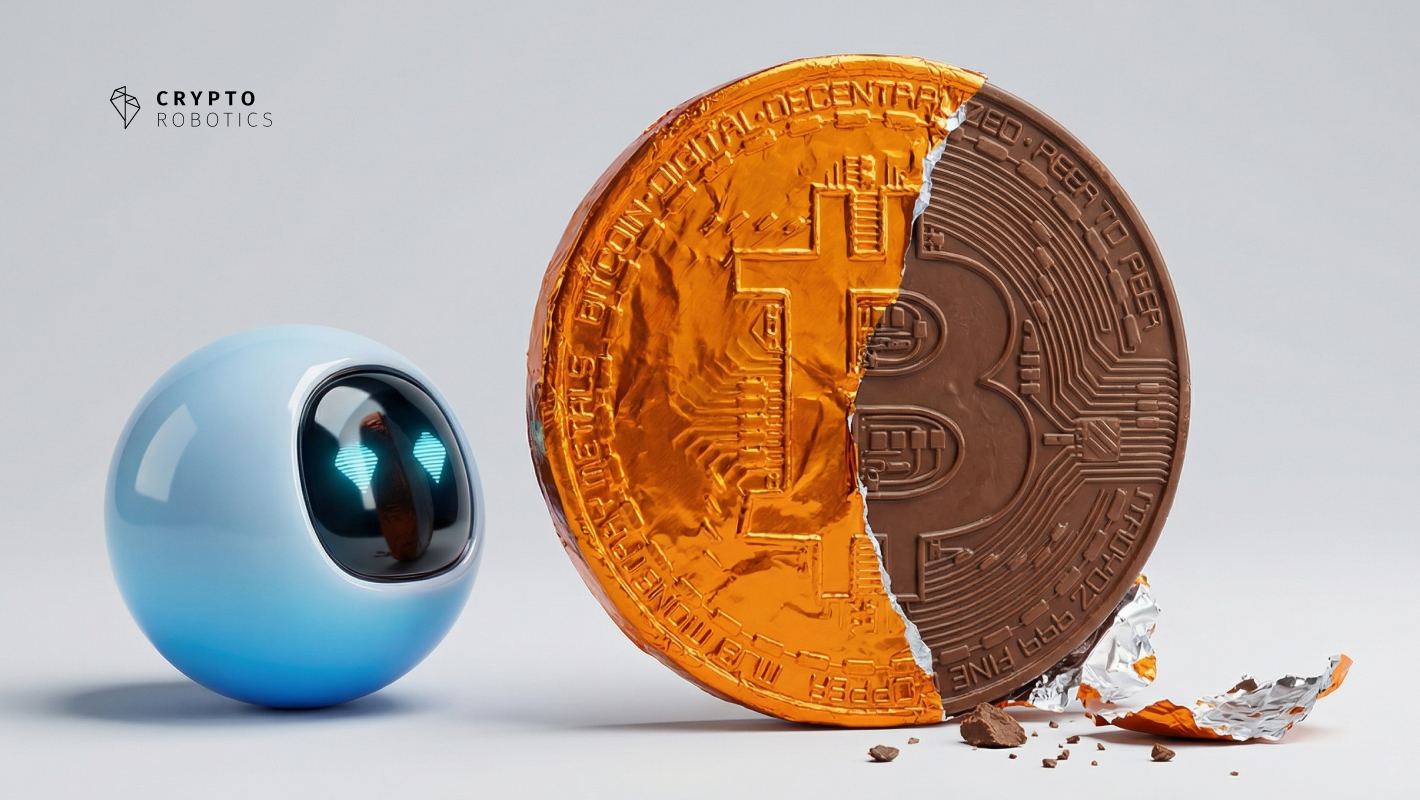


In the dynamic and often opaque world of cryptocurrency, not every shiny new token is what it seems. Among the many scams that plague digital asset markets, one particularly deceptive threat is the honeypot token — a scam cleverly disguised to lure investors with the promise of quick profits, only to trap their funds in a contract they cannot exit. Unlike typical hacks or exploitations of technical vulnerabilities, honeypot scams prey on investor psychology and smart contract logic to create financial traps that are costly or impossible to escape. Understanding how honeypot tokens work and how to detect them is crucial for anyone interacting with decentralized finance (DeFi) or trading newly minted tokens on decentralized exchanges (DEXs).
A honeypot token in the crypto context refers to a malicious smart contract or token that appears to function like a normal cryptocurrency, but contains hidden mechanisms designed to restrict selling or withdrawing funds once someone purchases the token. Investors can often buy the token without issue, but when they try to sell or move it back into another asset, the contract rejects the transaction or imposes punishing conditions. This effectively traps the investor’s assets, while the scammer can dump their own holdings or siphon liquidity.
The name “honeypot” comes from the analogy of a pot of honey used to lure an unsuspecting victim — here, the promise of high returns or seemingly legitimate tokenomics acts as the bait. Once the investor is “in the pot,” they can’t get out.
These scams are implemented via smart contracts — the self-executing code that governs the rules of token transfer. Scam tokens often look professional and may even show legitimate volume on Decentralized Exchanges (DEXs), but the contract logic includes backdoors or restrictions that prevent withdrawals or transfers for most users.
At a technical level, honeypot tokens manipulate transfer and sell functions within the smart contract. A contract might allow purchases or limited trading activity, but include requirements or checks that effectively block most users from selling:
These traps exploit the fact that most investors cannot easily read and interpret smart contract code, especially in non-standardized tokens on new or obscure networks. Only after funds are committed do victims realize that selling is impossible, leaving them with worthless tokens.
Honeypot tokens are particularly harmful because:
Because of these factors, honeypot scams can quickly cost victims thousands of dollars in assets that they can neither sell nor recover.
Although honeypot scams are deceptive by design, there are several telltale signs you can watch for before investing in a token:
1. Inability to Sell (Simulation Test):
One of the most reliable ways to detect a honeypot token is to test whether selling is possible after a small purchase. Some online tools simulate buy and sell transactions to check this automatically. If selling fails during simulation, the token is likely a honeypot.
2. Unverified Smart Contract Code:
Tokens with unverified or private contract code on blockchain explorers (like Etherscan or BscScan) are high-risk. Verified contracts allow anyone to review the code and check for red flags.
3. One-Sided Trading History:
If transaction history shows many buys but no sells, or sells are always by the same wallet, this is a strong indicator of manipulative contract restrictions.
4. Centralized Control of Supply:
When a single wallet holds a disproportionately large share of the token supply, and especially if it’s able to trigger contract functions others cannot, it often signals malicious control.
5. Suspicious Fees or Gas Logic:
Contracts with extremely high taxes, unpredictable fee logic, or unusual behavior when transferring tokens should be treated with suspicion. These can be programmed to frustrate sells or transfers.
6. Lack of Liquidity Lock:
Legitimate projects often lock liquidity to assure investors that the market can support trading. Absence of liquidity locks or transparency around liquidity management can be a warning sign.
7. Overly Aggressive Marketing or Unrealistic Promises:
Tokens hyped as “guaranteed winners,” “insane gains,” or “get rich quick” often rely on emotional appeal rather than substantive fundamentals — common bait for honeypot traps.
Because manually reading smart contract code requires specialized skills, many investors rely on tools and services built for this purpose:
Using these tools in combination — simulation, contract verification, history analysis, and community signals — significantly improves your chances of avoiding honeypot and other scam tokens.
To minimize risk in token investing, particularly in DeFi and DEX environments:
Honeypot tokens are one of the more insidious types of crypto scams because they feel like genuine investments until you’re already trapped. By combining knowledge of how these scams operate with careful analysis and the right tools, investors can identify potential honeypots before they lose funds. In an ecosystem that values decentralization and autonomy, education and vigilance remain your best defenses against scams that exploit human psychology and smart contract mechanics alike.
Alina Garaeva: a crypto trader, blog author, and head of support at Cryptorobotics. Expert in trading and training.
Alina Tukaeva is a leading expert in the field of cryptocurrencies and FinTech, with extensive experience in business development and project management. Alina is created a training course for beginners in cryptocurrency.
Related Topics







Access the full functionality of CryptoRobotics by downloading the trading app. This app allows you to manage and adjust your best directly from your smartphone or tablet.


News
See more



Blog
See more