Published: November 29, 2025 at 12:56 pm
Updated on December 03, 2025 at 8:24 pm

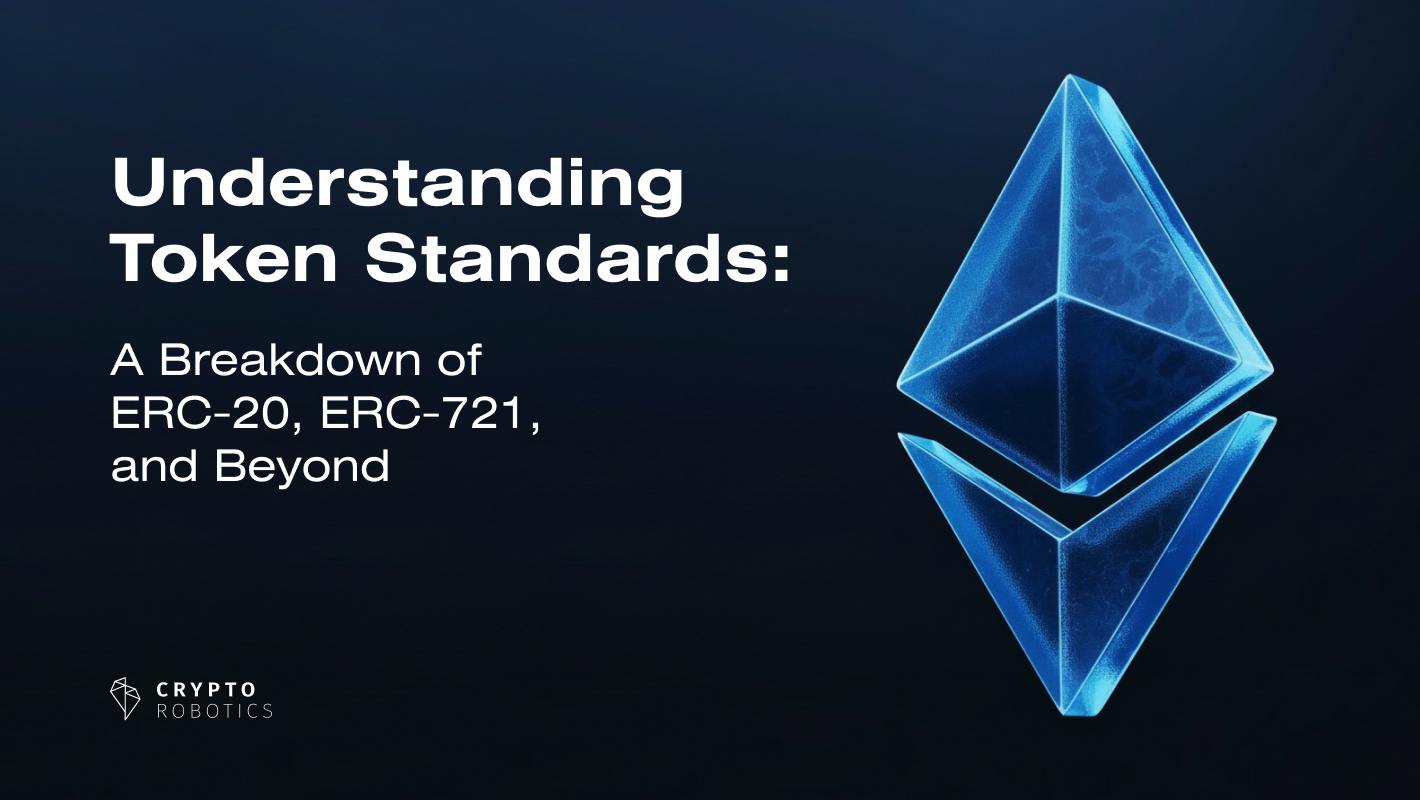


In the architecture of the blockchain world, token standards are the fundamental building blocks of the decentralized ecosystem. These technical blueprints ensure that digital assets can be created, managed, and exchanged in a predictable and interoperable manner. This article provides a deep dive into the core token standards—ERC-20, ERC-721, and the multi-token standard ERC-1155—exploring their technical foundations, their revolutionary applications in DeFi and NFTs, and what the future may hold.
Before the advent of Ethereum, blockchain technology was predominantly synonymous with digital currency. Ethereum’s introduction of smart contracts expanded the potential use cases exponentially, enabling applications in finance, gaming, digital art, and supply chain management. However, this flexibility posed a challenge: without a common set of rules, every token could operate uniquely, leading to a fragmented and incompatible ecosystem.
Token standards emerged as the solution. These are formally defined, community-approved sets of functions and rules that ensure tokens built on Ethereum are interoperable with each other and, crucially, with services like wallets, decentralized exchanges (DEXs), and marketplaces. The “ERC” acronym stands for Ethereum Request for Comments, a process through which improvements and standards are proposed and finalized.
The ERC-20 standard is arguably the most successful and influential technical standard in the blockchain space. It established the blueprint for creating fungible tokens—assets that are identical and interchangeable with one another, much like traditional currency where one dollar bill is equal in value to any other dollar bill.
An ERC-20 token must implement a core set of functions and events:
ERC-20 became the bedrock of the DeFi (Decentralized Finance) ecosystem. It is the standard for:
Its widespread adoption created a liquid and composable financial system where different tokens can seamlessly interact within various DeFi applications like Uniswap and Aave.
A well-known issue with early ERC-20 implementations was that if tokens were sent directly to a smart contract address (instead of calling the transfer function), they would be lost forever. This happened because the receiving contract had no standard function to notify it of an incoming transaction.
While ERC-20 standardized interchangeable assets, ERC-721 introduced the world to provably unique digital assets. Each ERC-721 token is distinct and cannot be subdivided or exchanged on a one-to-one basis with another token. This concept of non-fungibility is the technological bedrock of the NFT boom.
The ERC-721 standard is built around the unique identification of tokens:
The most critical differentiator is the uint256 _tokenId. This unique identifier for each token is what enables the representation of ownership over a specific digital (or physical) item.
ERC-721 unlocked entirely new markets and use cases:
As the ecosystem matured, the limitations of having separate standards for fungible and non-fungible tokens became apparent. ERC-1155, pioneered by the Enjin team, is a more advanced and efficient standard that can manage both fungible and non-fungible tokens within a single smart contract.
ERC-1155 is often called the “multi-token” standard due to its key features:
ERC-1155 is particularly transformative for industries that require a diverse inventory of assets:
The evolution of token standards did not stop with ERC-1155. The community continues to innovate:
| Feature | ERC-20 (Fungible) | ERC-721 (Non-Fungible) | ERC-1155 (Multi-Token) |
| Token Type | Fungible | Non-Fungible | Both Fungible & Non-Fungible |
| Uniqueness | No, all tokens are identical | Yes, each token is unique | Yes, configurable per token ID |
| Efficiency | Low (single transfers) | Low (single transfers) | High (batch transfers) |
| Contract Usage | One contract per token | One contract per collection | One contract for all assets |
| Primary Use Case | Currencies, Governance, DeFi | Digital Art, Collectibles | Gaming, Complex Digital Economies |
Token standards are far more than just technical specifications; they are the DNA of the on-chain economy. ERC-20 laid the groundwork for a programmable financial system with DeFi. ERC-721 unlocked the power of digital scarcity and uniqueness, giving birth to the NFT revolution. ERC-1155 and its successors are now building the bridges, creating a more efficient, scalable, and interoperable ecosystem for the next generation of decentralized applications.
As blockchain technology continues to permeate various sectors, the evolution of these standards will be critical. They will need to address challenges around scalability, privacy, and cross-chain interoperability. Understanding these foundational standards is not just for developers; it is essential for anyone looking to navigate and participate in the rapidly evolving world of Web3.
Alina Garaeva: a crypto trader, blog author, and head of support at Cryptorobotics. Expert in trading and training.
Alina Tukaeva is a leading expert in the field of cryptocurrencies and FinTech, with extensive experience in business development and project management. Alina is created a training course for beginners in cryptocurrency.
Related Topics



Access the full functionality of CryptoRobotics by downloading the trading app. This app allows you to manage and adjust your best directly from your smartphone or tablet.


News
See more



Blog
See more