


Published: September 06, 2025 at 4:01 am
Updated on September 06, 2025 at 4:01 am




The cryptocurrency trading landscape resembles a tempestuous ocean, where the specter of liquidation looms like a towering wave ready to crash down and obliterate fortunes in mere moments. For traders daring enough to venture into these choppy waters, grasping the intricacies of liquidations isn’t just a preference—it’s an essential survival skill.
At its essence, a crypto liquidation occurs when exchanges forcibly close out a trader’s position because they lack adequate margin to absorb potential losses. This is especially common in the high-stakes realm of perpetual futures trading, where leverage amplifies both gains and risks. While designed to prevent accounts from sinking into negative balances, this mechanism can wreak havoc on traders’ portfolios, leaving them reeling from unexpected downturns that transform investments into losses almost instantaneously.
Leverage in crypto trading is like a tantalizing double-edged sword. It beckons with the promise of hefty returns but comes with the lurking threat of magnified losses. Many traders find themselves entranced by the potential for quick profit, chasing dreams of significant gains on successful trades. Conversely, the dangers of leverage surface abruptly during volatile market shifts, often paving the path to liquidation and signaling the fine line that separates trading success from devastating failure.
Developing robust risk management strategies becomes crucial in this unpredictable realm. Implementing tools like stop-loss orders on a crypto trading platform can act as shields against the market’s wild swings. Yet, even the most sophisticated strategies can falter amid extreme liquidation crises, revealing the importance of emotional resilience and foresight for any trader hoping to weather the storm.
As discussions frequently orbit around long positions, it’s vital not to overlook the perils faced by short sellers, who are equally vulnerable to the market’s shifting tides. Sudden price spikes, often resulting from market manipulation, can trap those betting against the market in a tightening noose, leading to abrupt liquidations. This complex environment demands a well-rounded strategy, balancing both bullish and bearish interests while navigating the myriad traps that lie in wait.
The rise of AI-powered trading bots marks a pivotal transformation in the way traders interact with the volatile world of cryptocurrencies. These sophisticated systems aim to enhance trade execution and bolster risk management, reducing the likelihood of human errors and emotional decision-making. Understanding how crypto trading bots work can provide traders an edge; however, this reliance on automation invites its own challenges, such as susceptibility to systematic liquidation events, necessitating a nuanced understanding of their potential risks and rewards in crafting successful trading strategies.
As the crypto market continues to evolve, the reality of recent liquidation events—erasing billions of dollars overnight—serves as a stark reminder of the inherent unpredictability of this volatile arena. These incidents highlight the pressing need for traders to educate themselves on leverage dynamics, practice rigorous risk management, and remain vigilant in tracking market changes. Ultimately, in this ever-shifting landscape, the most resilient are those armed with knowledge, discipline, and the agility to navigate through uncertainty. Instead of succumbing to despair over losses, let us draw strength and inspiration from the boundless opportunities for growth and mastery that lie ahead. Moreover, for those considering automated trading, it’s essential to explore the crypto trading bots best suited for their specific strategies and learn how to use bots for crypto trading effectively.
Egor Romanov is an experienced crypto analyst, professional trader, and author of trading strategies and the Cryptorobotics blog, where he shares his knowledge about cryptocurrencies and financial markets.
Alina Tukaeva is a leading expert in the field of cryptocurrencies and FinTech, with extensive experience in business development and project management. Alina is created a training course for beginners in cryptocurrency.
Related Topics






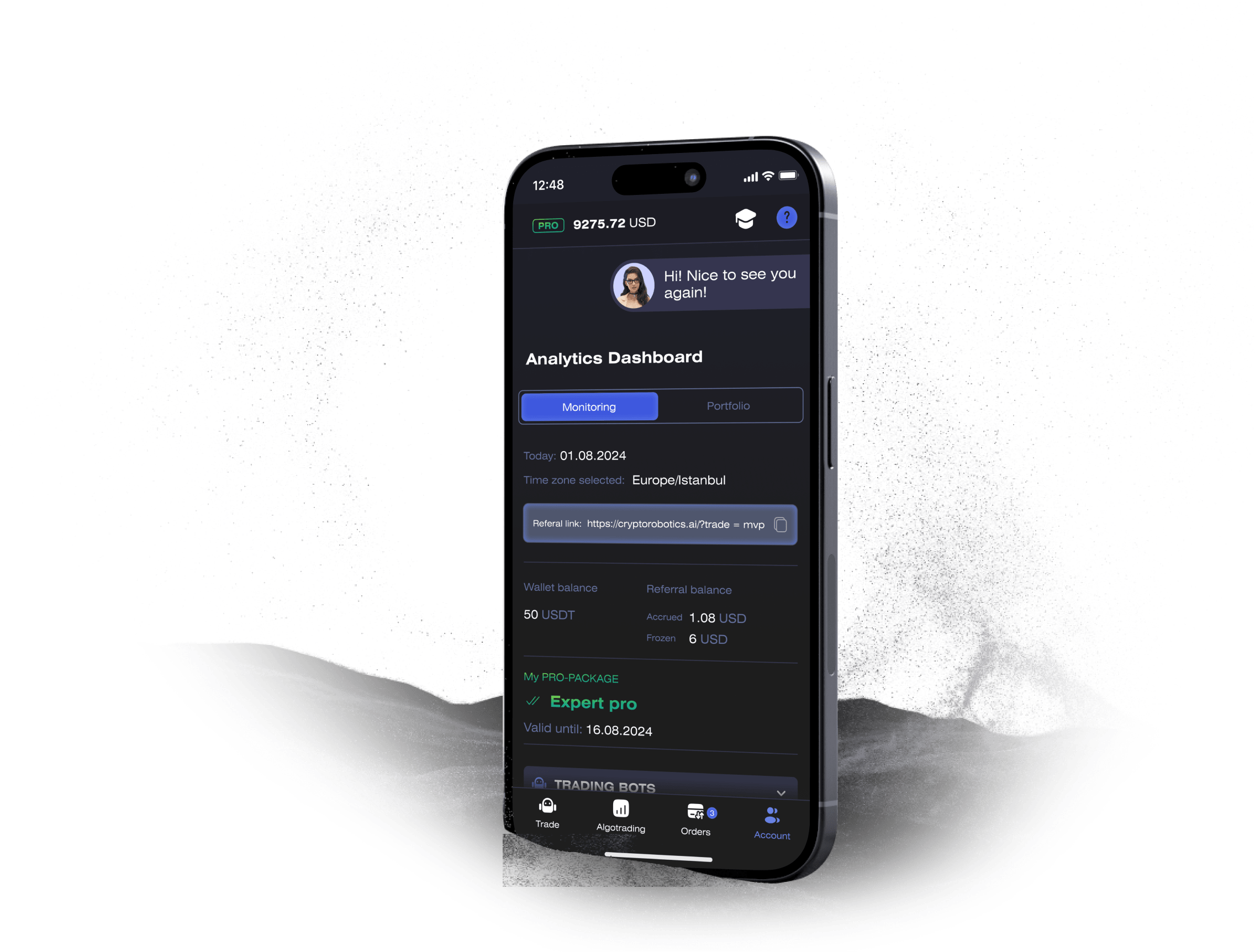
Access the full functionality of CryptoRobotics by downloading the trading app. This app allows you to manage and adjust your best directly from your smartphone or tablet.

News
See more



Blog
See more