Published: December 30, 2025 at 7:46 am
Updated on December 30, 2025 at 7:51 am

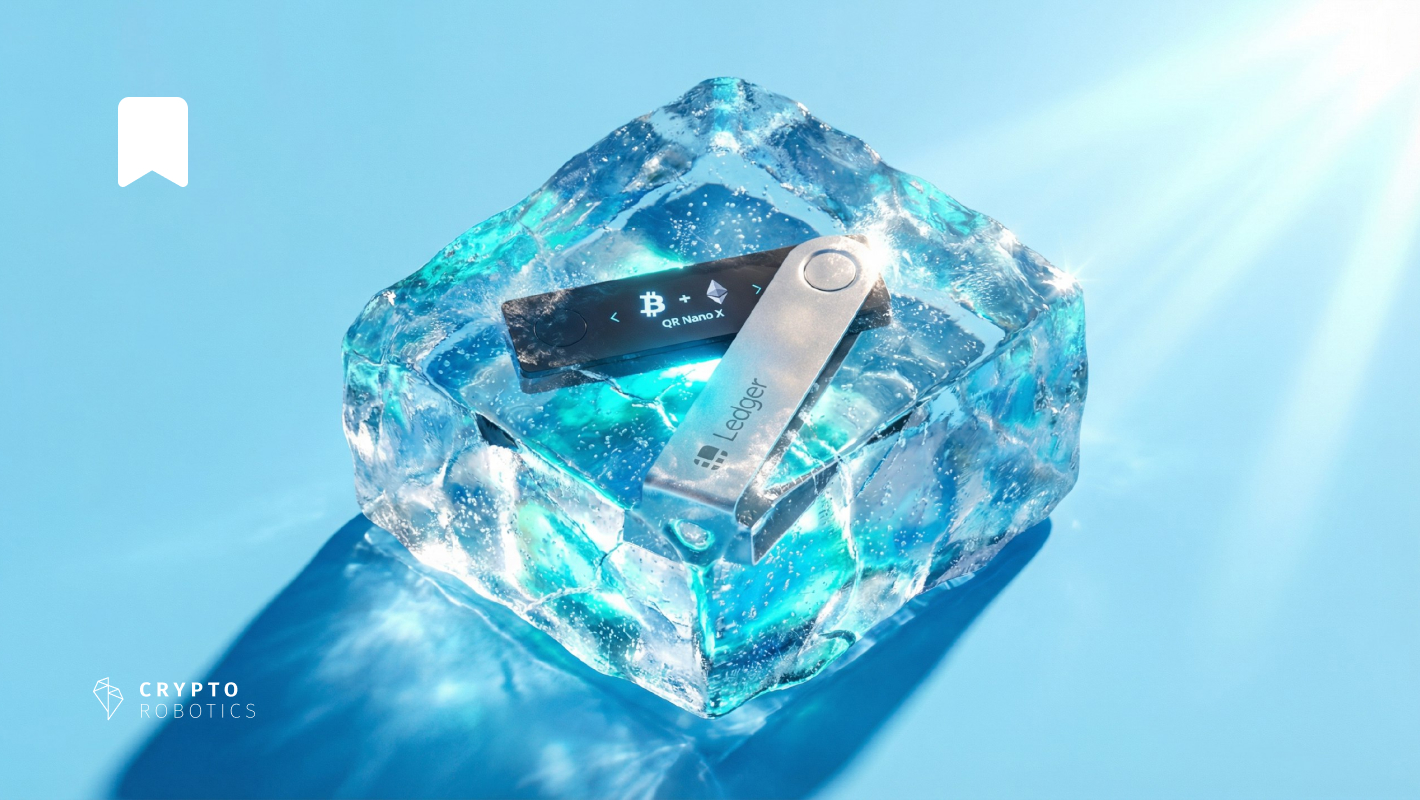


In the evolving landscape of digital finance, securely storing your cryptocurrency is as essential as choosing the right assets to invest in. For long-term holders, cold wallets (offline storage solutions) offer one of the strongest defenses against online threats, theft, and accidental loss. Unlike hot wallets that stay connected to the internet, cold wallets keep your private keys offline, where hackers cannot reach them, making them the preferred choice for preserving large holdings securely over years or even decades.
This comprehensive guide explores how to practice cold wallet hygiene: the set of habits, safeguards, and strategies every serious crypto investor should know to ensure their keys, seed phrases, and assets remain safe and accessible for the long haul. By combining physical security, disciplined backup methods, and smart workflow practices, you can significantly reduce the risks that come with owning digital assets.
A cold wallet (also known as cold storage or hardware wallet) is a physical device or offline mechanism used to store private keys offline, completely isolated from internet connections. Since private keys never touch an online environment, the attack surface for hackers is dramatically reduced compared to hot wallets such as mobile apps or exchange accounts. This fundamental offline characteristic is what makes cold wallets ideal for long-term storage of valuable cryptocurrency holdings.
Common types of cold storage include:
Cold wallets are widely regarded as the most secure method for holding significant cryptocurrency amounts intended for long-term storage, away from the threats inherent to internet connection or custodial services.
At the heart of cold wallet security are your private keys and seed phrases — the cryptographic credentials that grant access to your crypto. If these are compromised or lost, your assets are effectively lost too.
1. Never Store Keys Online
Your seed phrase or private key should never be stored on an internet-connected device, cloud backup, email, or messenger app. These storage points are vulnerable to malware, phishing, and unauthorized access. Instead, keep them offline where only you or trusted custodians have physical access.
2. Create Multiple, Secure Backups
Do not rely on a single copy of your seed phrase. Instead, create multiple backups and store them in independent secure locations. Many users employ trusted safes, bank safety deposit boxes, or multiple personally controlled secure locations to prevent a single point of failure.
3. Physically Protect Backup Mediums
Whether you use paper, metal plates, or other physical media to store your seed phrase, ensure they are protected from fire, water, pests, and physical theft. Laminated or engraved metal backups are often recommended for durability.
4. Avoid Digital Snapshots
Never take screenshots of your private keys or seed phrases, and do not store them in digital photo albums or note-taking apps — even if encrypted. The moment your key exists on a connected device, it becomes a target.
While cold wallets mitigate online threats, physical and operational security is equally critical.
1. Purchase Hardware Wallets from Trusted Sources
When buying a hardware wallet, always purchase directly from the manufacturer or official retail partners. Unsealed or second-hand devices may have been tampered with, undermining the security of your keys.
2. Use Air-Gapped and Clean Environments for Setup
Initialize hardware wallets in a clean environment with no connection to potentially compromised computers. Avoid using devices that may have malware or keyloggers when generating or accessing your wallet.
3. Use Strong PINs and Passphrases
Most hardware wallets allow adding a PIN, passphrase, or encryption. Choose unique, strong combinations that you can remember, and never write them on or near your wallet itself.
4. Keep Devices Updated
Regularly check for firmware updates from the wallet manufacturer, as updates often include security patches and improvements. However, ensure updates are performed in a secure, offline-aware manner to avoid spoofed firmware.t
Using your cold wallet safely involves more than storing keys; it also requires diligence when signing and broadcasting transactions.
1. Verify Transaction Details on the Device Screen
Before signing any transaction with your hardware wallet, carefully verify the recipient address and transaction details on the device’s built-in screen. This step guards against clipboard hijacking or address tampering malware, where attackers substitute their own address without your notice.
2. Limit Connectivity to Trusted Computers Only
Connect your cold wallet only to computers or devices you trust — ones free from malware or unknown software. Ideally, maintain a dedicated offline or secure environment for signing transactions.
3. Use Integrated Wallet Software Carefully
Some hardware wallets interface with desktop or browser wallet software. Always use official software from the wallet manufacturer and double-check that the interface is authentic, not imitated by phishing sites.
Ensuring your crypto remains safe over the long term means planning for scenarios far into the future.
1. Redundant Storage Locations
Spread backups across different secure locations, such as personal safes or lockboxes in separate geographic locations. This guards against localized disasters (fire, flood, theft) destroying all copies at once.
2. Share Access Securely With Trusted Parties
For very long-term holdings (e.g., family crypto legacies), consider trusted custodianship arrangements or multi-sig setups that distribute access across trusted parties without exposing keys to a single point of failure. However, this requires robust legal and personal trust frameworks.
3. Regularly Review and Update Security Practices
Threat landscapes evolve. Periodically review your storage practices, check for new vulnerabilities in wallet models, and ensure your backups are still accessible and legible.
Even seasoned investors sometimes fall prey to avoidable errors. Key mistakes in cold wallet hygiene include:
Achieving maximum safety in cold wallet storage goes beyond simply buying a reputable hardware device — it requires disciplined wallet hygiene. This includes protecting private keys, creating robust backups, ensuring physical security, and maintaining safe transaction practices. For long-term crypto holders, these measures are not optional but essential parts of asset stewardship.
By treating your cold wallet as you would a physical vault — securing access, diversifying backup locations, and staying vigilant against evolving threats — you create an environment where your digital wealth can remain safe for years, insulated from most online and physical attacks.
Proper cold wallet hygiene is one of the most powerful defenses in an investor’s security toolkit — and the foundation of responsible, long-term crypto ownership.
Alina Garaeva: a crypto trader, blog author, and head of support at Cryptorobotics. Expert in trading and training.
Alina Tukaeva is a leading expert in the field of cryptocurrencies and FinTech, with extensive experience in business development and project management. Alina is created a training course for beginners in cryptocurrency.
Related Topics








Access the full functionality of CryptoRobotics by downloading the trading app. This app allows you to manage and adjust your best directly from your smartphone or tablet.


News
See more



Blog
See more