




Published: February 03, 2026 at 6:03 pm
Updated on February 03, 2026 at 6:07 pm




Token distribution is one of the most underutilized yet powerful lenses in crypto analysis. While price charts reflect outcomes and narratives shape sentiment, token distribution reveals structural power: who controls supply, how that control changes over time, and whether a market is vulnerable to manipulation.
Many high-profile market failures, sudden collapses, and so-called “unexpected” rug pulls were visible in advance through distribution data. Concentrated ownership, opaque allocations, and suspicious transfer patterns often precede volatility and manipulation long before the price reacts.
This article provides a professional, systematic framework for tracking token distribution and using it to detect manipulation risks. The goal is not to label projects as good or bad, but to understand where control lies, how it evolves, and what behaviors raise red flags.
Token distribution describes how a token’s circulating supply is divided among wallets. It answers three fundamental questions:
Distribution analysis does not focus on individual transactions. It focuses on structure.
A healthy market structure disperses supply gradually across many independent holders. A fragile structure concentrates supply in a small number of wallets with the power to influence price, liquidity, and governance.
Price manipulation requires control. Control comes from supply concentration.
If a small group of wallets controls a large percentage of circulating supply, they can:
Distribution analysis helps assess whether manipulation is possible, not whether it is happening at this exact moment.
The simplest metric is the number of unique token holders.
However, the holder count alone is insufficient. One entity can control many wallets.
More important than holder count is how much supply is held by the largest wallets.
Common reference points include:
When a small cohort controls a disproportionate share of supply, market fragility increases.
Not all circulating tokens are economically active.
Distribution analysis distinguishes between:
A token may appear decentralized on paper while being effectively controlled by a few actors.
A whale is a holder whose position is large enough to materially affect market liquidity or price.
There is no fixed threshold. Context matters:
In low-liquidity markets, even moderate holdings can function as whales.
High whale concentration creates asymmetric power:
This does not mean all whales are malicious. It means the potential for manipulation exists.
In healthy markets:
This process is slow, uneven, and often boring—which is exactly what stability looks like.
Red flags appear when:
This often indicates engineered price action rather than organic demand.
Vesting schedules and unlock events dramatically affect distribution.
Key risks include:
Distribution analysis should always be paired with unlock calendars. A token can appear decentralized today and become highly concentrated tomorrow.
Exchange wallets often hold large balances, but they represent custodial aggregation, not ownership.
Good analysis separates:
Failing to do so leads to false conclusions.
While exchanges are not whales, changes in exchange balances matter:
Distribution analysis focuses on ownership, not custody—but both interact.
Sophisticated actors rarely use a single wallet. They distribute holdings across many addresses to:
Naive distribution analysis that counts wallets instead of behavior is easily misled.
Advanced distribution tracking looks for:
When multiple wallets behave as one, they should be treated as one.
This reflects dispersion and market maturation.
This pattern often precedes sharp reversals.
For governance tokens, distribution risk extends beyond price.
High concentration enables:
A protocol can appear decentralized while governance is effectively centralized.
Distribution analysis is governance analysis.
A token can have:
And still be dangerously concentrated.
Liquidity masks distribution risk. In fact, manipulation often requires liquidity to function.
Distribution tells you who controls liquidity—not how active it is.
Typical characteristics:
Price action looks healthy—until distribution is complete.
In some cases:
This creates artificial volume without real decentralization.
Projects may:
Distribution tracking exposes these tactics over time.
Distribution snapshots are insufficient. Trends matter more than states.
Key questions:
Manipulation is usually visible in how distribution changes, not just what it is.
Narratives can claim:
Distribution data either confirms or contradicts these claims.
When narrative and distribution diverge, trust distribution—not marketing.
Distribution analysis does not prove:
It identifies structural risk, not outcomes.
Markets can remain irrational longer than distribution alone suggests. But when things break, distribution explains why.
One transfer proves nothing. Patterns matter.
Early-stage projects are naturally concentrated. The question is whether concentration declines over time.
Dormant whales are still whales. Inactivity does not eliminate risk—it delays it.
A disciplined approach:
If price rises while concentration increases, caution is warranted.
Distribution often leads price at cycle turning points.
Price reflects transactions. Distribution reflects power.
Power moves first. Price follows.
By the time manipulation is visible on charts, distribution has usually already shifted.
Tracking token distribution is not about hunting villains or predicting exact price moves. It is about understanding who controls the market and how fragile that control structure is.
Healthy markets distribute power over time. Fragile markets concentrate it.
Distribution analysis strips away narratives and exposes structure. It does not guarantee safety—but it dramatically improves risk awareness.
In crypto, price tells you what happened.
Distribution tells you who made it happen—and who can do it again.
Alina Garaeva: a crypto trader, blog author, and head of support at Cryptorobotics. Expert in trading and training.
Alina Tukaeva is a leading expert in the field of cryptocurrencies and FinTech, with extensive experience in business development and project management. Alina is created a training course for beginners in cryptocurrency.
Related Topics





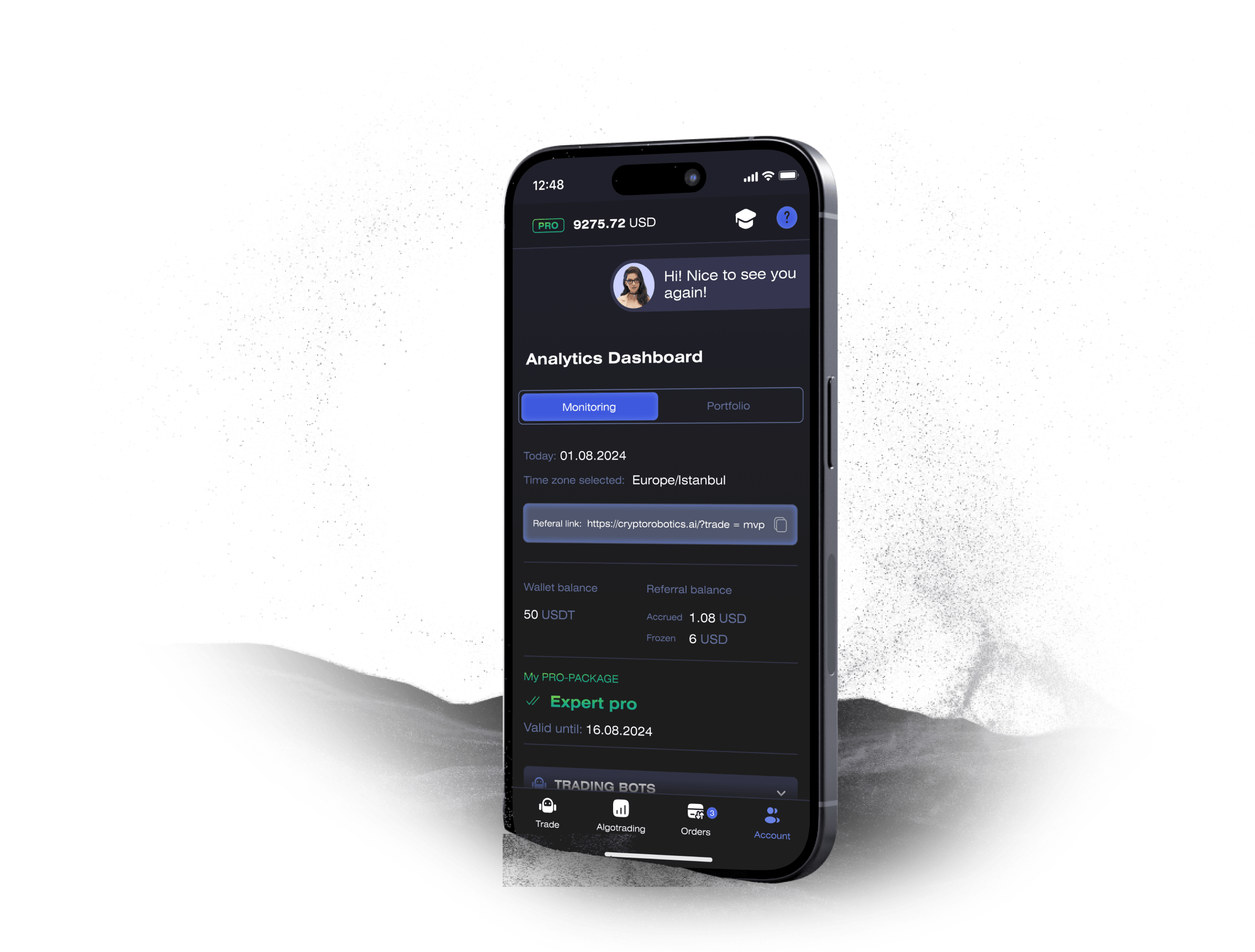
Access the full functionality of CryptoRobotics by downloading the trading app. This app allows you to manage and adjust your best directly from your smartphone or tablet.

News
See more



Blog
See more